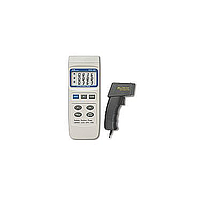
Colorimeter Inspection Service
Reliable color measurement depends on more than the instrument itself. In production, laboratory work, printing, coatings, water analysis, and general quality control, even a small reading drift can affect pass/fail decisions, product consistency, and reporting confidence. This is why Colorimeter Inspection Service is an important part of maintaining measurement accuracy over time.
This service category is intended for organizations using portable or benchtop color meters and spectrophotometers that need periodic inspection to verify condition, measurement stability, and overall suitability for continued use. Whether the device is used for comparative color checks or routine process control, inspection helps identify wear, optical issues, display or interface problems, and other factors that may influence repeatable results.
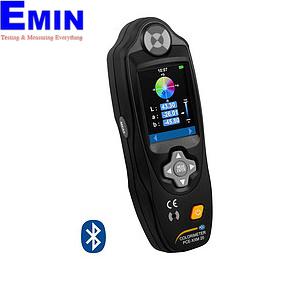
Why colorimeter inspection matters in industrial environments
Color measurement instruments are often used in workflows where visual judgment alone is not enough. Manufacturers and laboratories rely on these devices to support objective evaluation, reduce variation between operators, and maintain traceable quality procedures. Over time, however, normal handling, environmental exposure, and component aging can influence performance.
A structured inspection service helps detect these issues before they create larger problems in production or testing. It can also support maintenance planning, improve confidence in internal quality checks, and reduce the risk of relying on a device that no longer performs as expected.
Typical instruments covered in this category
This category focuses on inspection services for colorimeters and related color measurement devices used across industrial and laboratory applications. In practice, that may include portable color meters, application-specific color testing instruments, and selected spectrophotometers used for more detailed color evaluation.
Examples in this category include the Xrite Spectrophotometer Inspection Service, YOKE Colour Meter Inspection Service, PCE Colour Meter Inspection Service, HACH Colour Meter Inspection Service, LUTRON Colour Meter Inspection Service, and SEKONIC Spectrophotometer Inspection Service. These examples show the range of instruments commonly requiring regular condition checks in real operating environments.
Common reasons to schedule an inspection
Inspection is often requested when users notice inconsistent readings, unexplained shifts between reference samples, unstable operation, or signs of physical wear. It is also common as part of routine preventive maintenance, especially when instruments are used frequently, shared across teams, or exposed to demanding plant conditions.
Organizations may also schedule inspection before audits, after relocation, or when comparing results between multiple instruments. In these cases, the goal is not only to identify faults, but also to confirm that the device remains appropriate for ongoing quality assurance tasks.
- Reading variation compared with past measurements
- Concerns after transport, storage, or impact
- Preventive maintenance for heavily used instruments
- Preparation for audits or documented quality reviews
- Verification of instrument condition before critical projects
Brands and device ecosystems commonly supported
Many industrial users work with instruments from established manufacturers such as Xrite, HACH, PCE, SEKONIC, YOKE, and LUTRON. Each brand may serve different application areas, from surface color assessment and appearance control to process and laboratory measurement tasks.
When selecting a service, it is useful to match the inspection scope to the actual role of the instrument in your workflow. A handheld color meter used for quick shop-floor checks may have different service priorities than a spectrophotometer used for more detailed evaluation. The purpose of inspection is to review the instrument in context, not simply to treat every device the same way.
How inspection supports better quality control decisions
A colorimeter is often part of a larger decision chain. Its readings may influence batch release, incoming material checks, product comparison, corrective action, or customer acceptance records. If the instrument condition is uncertain, the quality decision built on that measurement becomes harder to defend.
Regular inspection helps strengthen the reliability of that process. It supports more consistent data, reduces uncertainty caused by unnoticed hardware issues, and gives maintenance and quality teams a clearer basis for deciding whether an instrument should remain in service, be adjusted, or be escalated for further work.
For operations that rely on controlled lighting as part of visual color evaluation, related support such as color assessment cabinet inspection service may also be relevant. In environments where multiple surface and appearance parameters are monitored together, coating thickness meter inspection service can complement color-related quality control workflows.
Choosing the right service for your instrument
The most suitable service usually depends on the type of device, how it is used, and the level of confidence required by your process. Some users need inspection for a general-purpose color meter used in routine checks, while others need support for a spectrophotometer used in more sensitive comparison work. Reviewing the instrument category, manufacturer, and operating environment can help narrow the right option.
If your installed base includes devices from PCE, SEKONIC, YOKE, LUTRON, HACH, or Xrite, it makes sense to choose the service aligned with the specific instrument family. This helps ensure the inspection request reflects the actual device role and avoids unnecessary ambiguity when planning maintenance or internal documentation.
When to consider related inspection categories
Some facilities manage a broad set of specialty measuring instruments rather than a single device type. In these cases, colorimeter inspection may be part of a wider maintenance schedule that includes optical, surface, or process-related test equipment. Grouping service needs by application can make asset management more consistent across departments.
If your team also works with optical power measurement in research, manufacturing, or test benches, laser power meter inspection service may be another relevant category to review. This can be useful when planning coordinated service activities for multiple specialized instruments.
Support a more dependable measurement workflow
Color-related quality control depends on instruments that remain stable, readable, and fit for purpose. A well-planned colorimeter inspection service helps organizations maintain confidence in day-to-day measurements, reduce avoidable uncertainty, and keep inspection records aligned with operational needs.
Whether you use a compact color meter for routine checks or a spectrophotometer for more detailed analysis, periodic review is a practical step toward better measurement reliability. Choosing a service that matches your instrument type, brand, and application will help keep your workflow more consistent and easier to manage over time.
Get exclusive volume discounts, bulk pricing updates, and new product alerts delivered directly to your inbox.
By subscribing, you agree to our Terms of Service and Privacy Policy.
Direct access to our certified experts