
Smoke Sensor Tester Inspection Service
Reliable fire detection depends not only on the sensor itself, but also on the accuracy of the instrument used to verify its response. In maintenance programs, commissioning work, and periodic compliance checks, a properly performed Smoke Sensor Tester Inspection Service helps confirm that the tester is operating as expected and can support consistent evaluation of smoke detection devices in the field.
For contractors, facility teams, and service organizations, inspection of smoke sensor testing equipment is an important part of reducing uncertainty during detector verification. When the tester delivers repeatable performance, technicians can work with greater confidence during routine inspection, troubleshooting, and system validation tasks.
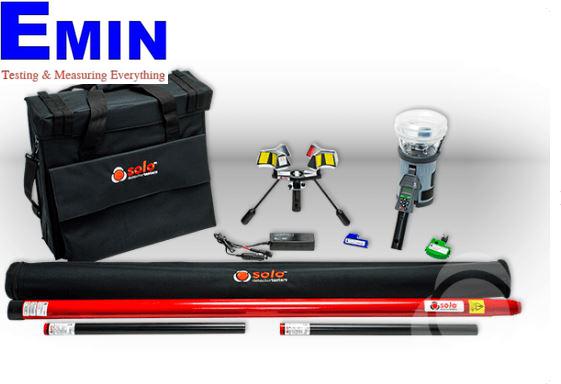
Why inspection of smoke sensor testers matters
Smoke detector testing often sits within a broader life safety workflow where consistency matters. If the tester itself is out of condition, delivers unstable output, or no longer performs as intended, the test process may become less reliable. That can affect maintenance quality, increase repeat visits, and create doubt around recorded results.
A dedicated inspection service supports the condition assessment of the instrument and helps identify whether the device remains suitable for ongoing use. In practical terms, this is especially relevant for teams handling routine detector checks across commercial buildings, industrial sites, laboratories, data rooms, and other environments where fire detection testing must be approached carefully.
Typical situations where this service is relevant
This service is commonly considered when a smoke sensor tester is used frequently, has been in service for an extended period, or has been exposed to transport, dust, impact, or storage conditions that may affect performance. It is also relevant when organizations want to strengthen preventive maintenance procedures for their inspection tools.
Another common scenario is before major site testing campaigns or after questions arise about test repeatability in the field. In these cases, checking the tester can help separate instrument-related issues from detector-related issues, which improves troubleshooting efficiency and supports better maintenance decisions.
What an inspection service generally helps verify
While the exact inspection workflow depends on the instrument type and service scope, the overall goal is to evaluate whether the smoke sensor tester remains fit for its intended task. This may include review of operating condition, functional behavior, visible wear, and other factors that influence dependable use in detector testing activities.
For technical teams, the value lies in having a clearer understanding of equipment status before the tester is deployed across multiple devices or locations. A structured inspection process supports more predictable operation and helps maintain confidence in the broader inspection and maintenance process.
Benefits for contractors, facility teams, and service providers
In B2B environments, test equipment is part of the service outcome. When a smoke sensor tester is inspected at appropriate intervals, organizations can improve tool readiness, reduce the risk of questionable field results, and support more consistent technician workflows. This is useful for both internal maintenance teams and third-party fire protection service providers.
There is also a documentation benefit. Equipment oversight is easier when testing instruments are included in a planned inspection schedule rather than managed only after a problem appears. That approach can support internal quality systems and create a more disciplined asset management routine for specialized meters and testers.
How to decide when your tester should be inspected
The right interval depends on usage intensity, operating environment, handling conditions, and the role the tester plays in your maintenance program. Devices used across many job sites or in demanding service conditions typically deserve closer attention than those used occasionally in controlled environments.
It is also sensible to arrange inspection when the tester shows signs of inconsistent operation, physical wear, or unusual behavior during use. If your organization manages multiple specialized instruments, aligning inspection timing across related equipment can simplify administration. For example, teams working with different niche test devices may also review services such as laser power meter inspection or coating thickness meter inspection as part of a wider equipment control plan.
Part of a broader specialty instrument quality program
Many organizations do not manage smoke sensor testers in isolation. They often operate a mixed fleet of instruments for environmental checks, process verification, safety work, or product inspection. Building a structured review process for these tools helps standardize maintenance practices across departments and service teams.
Where that broader need exists, it may be useful to consider related specialist services in the same ecosystem, such as compressed air and gases tester inspection or color assessment cabinet inspection. Although the applications differ, the underlying objective is similar: keeping critical test equipment in suitable condition for dependable technical work.
Choosing the right service for your application
Before arranging service, it helps to identify how the smoke sensor tester is used in practice: routine detector verification, commissioning support, troubleshooting, or scheduled building maintenance. Usage context influences how urgently inspection is needed and how the equipment fits into your overall maintenance cycle.
It is equally important to keep records of service history, field issues, and inspection intervals. A simple, traceable approach makes it easier to decide when a tester should be checked again and supports more informed replacement or maintenance planning over time. For organizations responsible for high volumes of detector testing, that visibility can be just as important as the instrument itself.
Supporting dependable smoke detection verification
When the goal is consistent detector testing, the condition of the testing instrument should never be an afterthought. A well-timed inspection service helps reduce uncertainty, supports smoother maintenance workflows, and contributes to more trustworthy field evaluation of smoke sensing devices.
For businesses that rely on specialized test equipment, incorporating smoke sensor tester inspection into a wider equipment care strategy is a practical step toward better control, better repeatability, and more dependable service outcomes.
Get exclusive volume discounts, bulk pricing updates, and new product alerts delivered directly to your inbox.
By subscribing, you agree to our Terms of Service and Privacy Policy.
Direct access to our certified experts