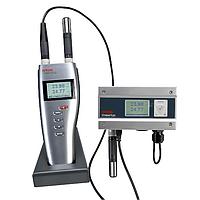
Contact Temperature Meter Inspection Service
Accurate surface and probe-based temperature readings are critical in maintenance, laboratory work, food processes, HVAC, manufacturing, and many other controlled environments. When a handheld or portable thermometer starts to drift, even a small deviation can affect process quality, product safety, and troubleshooting decisions. This is why a dedicated Contact Temperature Meter Inspection Service is an important part of instrument management for technical teams that rely on dependable temperature measurement.
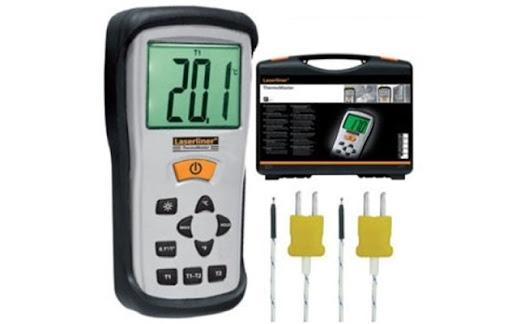
Why inspection matters for contact temperature instruments
Contact temperature meters measure temperature by physical contact with a surface, liquid, air stream, or process point through a probe or sensor. In real operating conditions, these instruments are exposed to handling stress, connector wear, sensor aging, contamination, and environmental changes that may influence measurement stability over time.
A structured inspection helps verify whether the instrument is still suitable for use, especially in applications where data traceability, routine verification, or maintenance records are important. For organizations managing multiple thermal measurement tools, this service also supports more consistent quality control across departments and sites.
What is typically covered in a contact temperature meter inspection service
An inspection service for this type of equipment generally focuses on the functional condition of the instrument, the behavior of the measuring input, and the overall usability of the device in practical work. Depending on the equipment design, this may involve checking display response, sensor connection integrity, basic operating functions, and temperature reading performance under controlled conditions.
For many users, the goal is not only to confirm that the meter turns on, but to evaluate whether the device remains reliable for day-to-day measurement tasks. This is especially relevant for portable tools used in field service, industrial maintenance, incoming inspection, and on-site diagnostics where measurement confidence directly affects decision-making.
Who should consider this service
This category is relevant for companies and technical departments using handheld thermometers, probe thermometers, or contact temperature instruments as part of routine operations. Typical users include maintenance teams, QA/QC personnel, facility engineers, laboratory technicians, service contractors, and production supervisors who need dependable temperature verification in the field or on the shop floor.
It is also useful for organizations operating under internal quality systems or customer audit requirements. If your workflow depends on temperature checks for equipment condition, storage conditions, product handling, or process monitoring, periodic inspection can help reduce uncertainty and support more consistent documentation.
Common instrument types and supported brands
This category covers inspection services intended for contact temperature meters from widely used manufacturers in the test and measurement market. Depending on your installed base, this may include instruments from FLUKE, TESTO, OMEGA, YOKOGAWA, Chauvin Arnoux, PCE, HANNA, DEFELSKO, PICO, or BKPRECISION.
Representative services in this category include Fluke Contact Thermometer Inspection Service, Testo Contact Thermometer Inspection Service, Omega Contact Thermometer Inspection Service, and YOKOGAWA Contact Thermometer Inspection Service. Other listed options such as Chauvin Arnoux Contact Thermometer Inspection Service, PCE Contact Thermometer Inspection Service, HANNA Contact Thermometer Inspection Service, DEFELSKO Contact Thermometer Inspection Service, Pico Contact Thermometer Inspection Service, and BKPRECISION Contact Thermometer Inspection Service help illustrate the brand coverage available for users managing mixed fleets of instruments.
How to choose the right inspection path
The most suitable service depends on the actual instrument type, how it is used, and the level of documentation your process requires. A contact thermometer used for general maintenance checks may have different service expectations than one used in a controlled production or validation workflow. Before selecting a service, it is helpful to confirm the device brand, model family, sensor type, and the operating context in which the meter is used.
If your application involves broader environmental monitoring rather than only direct contact measurement, you may also want to review the wider temperature, humidity, and pressure instrument inspection services category. For non-contact thermal checks, the related infrared thermometer inspection service page may be more relevant.
Contact vs. non-contact thermal inspection services
Contact temperature meters are chosen when direct sensor contact is possible and a stable reading at the measurement point is required. They are commonly used for pipe surfaces, liquids, HVAC ducts, machinery points, food checks, and various maintenance tasks where probe placement matters. Their inspection needs are therefore tied to probe condition, connector performance, and response behavior during actual measurement.
By contrast, infrared thermometers and thermal imaging tools are used where contact is not possible, not safe, or not practical. If your maintenance program includes both technologies, separating service plans by instrument type often makes asset management easier. In those cases, teams may also benefit from related support such as thermal imaging camera inspection service for broader thermal diagnostics equipment.
Supporting quality systems and maintenance programs
For many B2B users, instrument inspection is part of a wider preventive maintenance and quality assurance strategy. A temperature meter that is inspected at suitable intervals can be easier to manage in internal asset records, service schedules, and operational checklists. This becomes increasingly important when teams share instruments across shifts, sites, or departments.
Routine inspection also helps identify issues before they lead to incorrect readings in the field. In practical terms, that may mean detecting sensor wear, connection instability, or functional irregularities early enough to avoid unnecessary process interruptions, product rechecks, or troubleshooting delays. In this sense, equipment inspection is not only about the device itself, but about protecting the reliability of the measurement workflow around it.
Finding the right service for your instrument fleet
When selecting from this category, start with the brand and intended use of the thermometer, then consider how critical the reading is to your process. Organizations using a single meter may simply need a straightforward inspection option, while plants, service providers, and laboratories with multiple devices often benefit from a more organized review of their full temperature measurement inventory.
This category is designed to help buyers quickly identify suitable service options for common contact temperature meter brands and applications. If your team depends on direct temperature measurement for maintenance, verification, or quality control, choosing the appropriate inspection service is a practical step toward maintaining reliable measurement performance over time.
Get exclusive volume discounts, bulk pricing updates, and new product alerts delivered directly to your inbox.
By subscribing, you agree to our Terms of Service and Privacy Policy.
Direct access to our certified experts