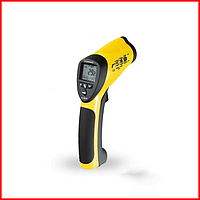
InfraRed Thermometer Inspection Service
When non-contact temperature readings are used for maintenance, quality control, HVAC checks, or electrical inspection, measurement confidence matters as much as speed. A professional InfraRed Thermometer Inspection Service helps verify that the instrument is operating correctly, supports more reliable trend monitoring, and reduces the risk of decisions based on questionable readings.
Infrared thermometers are widely used because they allow temperature checks from a distance without touching the target surface. In practice, however, accuracy can be influenced by sensor condition, optics, response behavior, environmental factors, and the way the instrument has been handled over time. That is why periodic inspection is a practical part of instrument management in many industrial and technical environments.
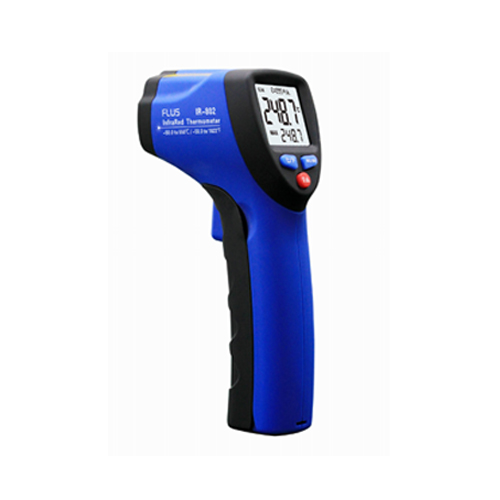
Why inspection is important for infrared thermometers
An infrared thermometer may appear to work normally while still delivering readings that drift from expected values. In applications such as preventive maintenance, incoming inspection, process checks, or building diagnostics, even a small deviation can affect troubleshooting results, pass/fail decisions, or maintenance planning.
A structured inspection process helps assess whether the device is suitable for continued use and whether its performance remains consistent with operational needs. For teams that also manage other temperature instruments, it can be useful to review related services such as contact temperature meter inspection when both contact and non-contact methods are used together in the same workflow.
Typical situations where this service is used
This category is relevant for companies that rely on handheld IR thermometers in electrical cabinets, rotating equipment inspection, food and storage checks, laboratory support, facility maintenance, and general industrial diagnostics. The need for inspection becomes more obvious when instruments are used frequently, transported between sites, or exposed to dust, vibration, or temperature variation.
Inspection is also useful after a device has been dropped, stored for a long period, or compared against another instrument with noticeably different results. In these cases, checking the infrared thermometer can help determine whether the issue is related to the instrument itself or to application factors such as emissivity, distance-to-spot ratio, or target surface conditions.
What an inspection service helps you evaluate
For infrared temperature instruments, the goal is not simply to confirm that the display turns on. A proper service approach helps evaluate the overall condition of the device, including whether the sensing behavior remains stable enough for field use and whether the reading performance is aligned with expected operating conditions.
Depending on the instrument and service scope, users typically want visibility into points such as:
- Measurement consistency across relevant temperature checks
- General functional condition of the instrument
- Whether the optical path and sensing performance appear suitable for continued use
- Whether the unit should remain in service, be monitored more closely, or be sent for further corrective action
For organizations that work with broader environmental monitoring equipment, adjacent categories such as temperature, humidity, and datalogger inspection services may also be relevant when building a more complete instrument control program.
Supported brands and examples in this category
This category includes inspection services for instruments from widely used manufacturers in industrial measurement and test environments. Examples include services for FLUKE, FLIR, HIOKI, OMRON, TESTO, BOSCH, Chauvin Arnoux, Advanced Energy, Amprobe, and BKPRECISION.
Representative service entries in this category include the Fluke InfraRed Thermometer Inspection Service, Flir InfraRed Thermometer Inspection Service, Hioki InfraRed Thermometer Inspection Service, Omron InfraRed Thermometer Inspection Service, and Testo InfraRed Thermometer Inspection Service. These examples help show the practical scope of the category: support is organized around real instruments used in field diagnostics, maintenance, and industrial measurement workflows.
How to choose the right service path
The right service path depends on how the instrument is used and what level of confidence your process requires. If the thermometer is mainly used for quick screening, an inspection may be enough to confirm condition and usability. If it is part of a controlled quality process or used to support more formal reporting, users often need a clearer review of service history, inspection intervals, and comparison practices within their maintenance system.
It is also important to match the service to the instrument type. An infrared thermometer should be handled differently from a thermal camera, even though both are non-contact temperature tools. If your team uses imaging systems for hotspot analysis or broader thermal surveys, a separate thermal imaging camera inspection service may be the more appropriate route for those devices.
Good practice before sending in an infrared thermometer
Before arranging service, it helps to record the instrument model, observed issue, usage environment, and any abnormal reading behavior noticed in the field. If there are comparison results against another thermometer or a reference point, that information can also be useful for evaluating the unit more efficiently.
Users should also consider the application conditions under which the thermometer is typically used. Emissivity, measurement distance, target size, reflective surfaces, and ambient conditions can all affect non-contact readings. Sharing these details can help separate instrument condition from application-related error and lead to a more meaningful inspection outcome.
Infrared thermometer inspection in a broader maintenance workflow
In many facilities, infrared thermometers are only one part of a larger diagnostic toolkit. They may be used alongside contact probes, thermal imagers, and environmental meters depending on the task. Building an inspection schedule around actual usage frequency, criticality, and process impact is often more effective than treating every instrument the same way.
A practical service strategy supports traceable equipment management, better maintenance planning, and more consistent data collection across teams. For B2B users managing multiple brands and device types, this category provides a focused starting point for keeping handheld non-contact temperature instruments in dependable working condition.
Final considerations
Choosing an InfraRed Thermometer Inspection Service is ultimately about maintaining confidence in day-to-day temperature checks. Whether you use devices from FLUKE, FLIR, HIOKI, OMRON, TESTO, or other listed brands, regular inspection helps reduce uncertainty and supports better technical decisions in the field.
If your operation depends on fast non-contact temperature measurement, this category is a practical resource for reviewing available brand-specific service options and aligning instrument care with the real demands of your application.
Get exclusive volume discounts, bulk pricing updates, and new product alerts delivered directly to your inbox.
By subscribing, you agree to our Terms of Service and Privacy Policy.
Direct access to our certified experts