
IR Windows Inspection Service
In electrical maintenance, seeing heat without opening energized panels can significantly improve both safety and workflow efficiency. That is why periodic inspection of IR viewing ports has become an important part of condition monitoring programs, especially in facilities that rely on thermal checks for switchgear, motor control centers, and distribution equipment.
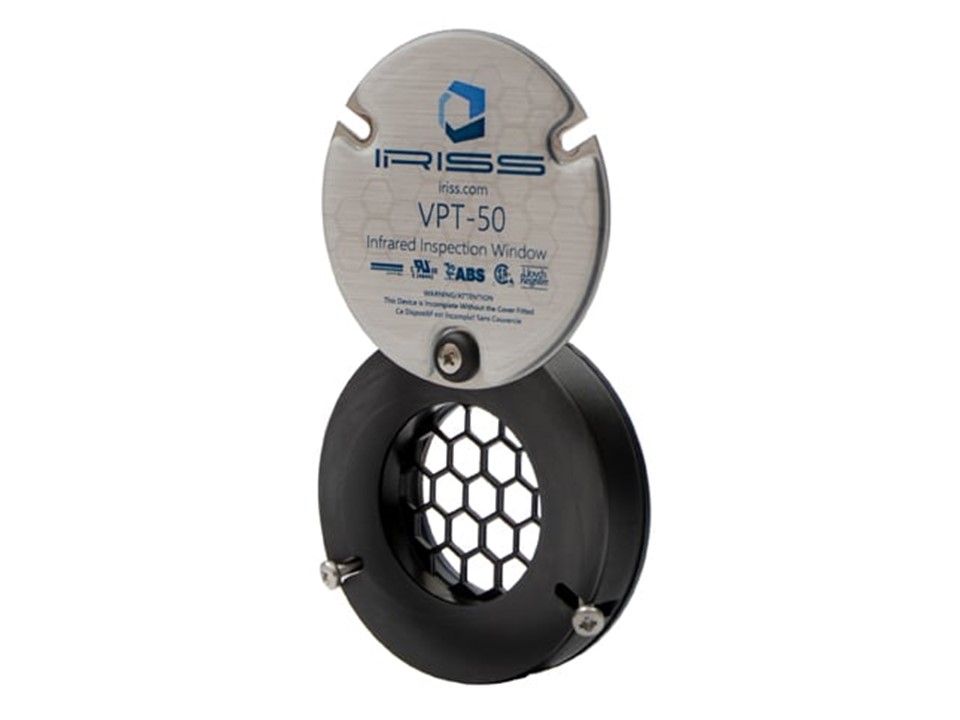
IR Windows Inspection Service helps verify that these installed windows remain suitable for infrared observation, mechanically secure, and appropriate for ongoing use in preventive and predictive maintenance. For plants, utilities, and industrial sites, this service supports safer thermal inspection routines while helping maintain confidence in the access point used for non-intrusive temperature checks.
Why IR window inspection matters in electrical maintenance
IR windows are designed to allow thermal assessment of enclosed electrical equipment without removing covers or exposing personnel to unnecessary risk. Over time, however, the condition of the window, mounting hardware, labeling, and surrounding installation can affect usability and confidence during inspection activities.
A structured inspection service helps identify whether the viewing point is still fit for purpose in the context of routine thermography. This is especially relevant in maintenance environments where thermal surveys are used to detect overheating connections, load imbalance, or other developing electrical issues before they lead to downtime.
What is typically covered in an IR windows inspection service
The scope of inspection can vary depending on the installed type and site condition, but the overall goal is straightforward: confirm that the IR window assembly can continue to support safe and practical thermal monitoring. This may include reviewing the physical condition of the window, checking for visible damage, contamination, looseness, deterioration, or installation-related concerns that could affect observation through the port.
In many cases, attention is also given to the surrounding panel condition and whether the window remains usable for field inspection procedures. From an operational standpoint, this is less about turning the service into a generic panel audit and more about ensuring the inspection point for thermography is reliable in day-to-day maintenance work.
Common applications and operating environments
IR windows are widely used on electrical assets that benefit from regular thermal screening, such as switchboards, transformers, feeders, MCCs, and other enclosed power distribution equipment. In these applications, the ability to inspect internal hot spots from outside the enclosure can support faster route-based maintenance while reducing disruption to operations.
Facilities with high equipment density, continuous production, or elevated safety requirements often place particular value on this service. Where thermal monitoring is part of a larger asset reliability strategy, IR window inspection fits naturally alongside thermal imaging camera inspection service and checks related to other temperature measurement tools.
How this service supports safer thermographic inspection
The practical value of an IR window depends not only on its presence, but also on its condition and suitability for repeated field use. If the window is damaged, obscured, poorly mounted, or otherwise compromised, the quality of thermal observation may be affected and maintenance personnel may lose the benefit of a controlled viewing path.
By inspecting these access points on a planned basis, organizations can better support non-intrusive thermal inspection practices. This is particularly useful in programs where thermography is performed regularly and consistency matters across many similar panels or multiple sites.
When to consider IR window inspection
Many companies include this service during scheduled preventive maintenance, after panel modifications, or when the windows have been in service for extended periods. It may also be appropriate after harsh environmental exposure, mechanical impact, contamination events, or when a thermographer notices reduced visibility or uncertainty during an infrared survey.
If your site also uses handheld or fixed temperature measurement instruments, it can be useful to review related services at the same time. Depending on the equipment involved, this may include infrared thermometer inspection service or contact temperature meter inspection service as part of a broader maintenance and verification plan.
Choosing the right service scope for your facility
Not every site uses IR windows in the same way. Some facilities install them only on selected high-priority panels, while others standardize them across entire electrical rooms. The right service scope therefore depends on factors such as asset criticality, inspection frequency, environmental conditions, and how deeply thermography is integrated into the maintenance program.
It is often helpful to evaluate IR window inspection in the context of the overall temperature and environmental monitoring workflow. For sites that also rely on logging or environmental verification, related support such as temperature, humidity, air pressure meter and datalogger inspection service may also be relevant.
Benefits for reliability, documentation, and maintenance planning
A well-managed inspection approach can make thermal routes easier to perform and easier to standardize. When IR windows are checked periodically, maintenance teams have a clearer basis for planning inspections, documenting equipment condition, and deciding whether any window or panel access point needs attention before the next thermographic round.
From a reliability perspective, this supports better continuity in asset monitoring. From a safety perspective, it helps preserve the intended role of the IR window as a controlled interface for thermal assessment rather than an assumed feature that may have degraded over time.
Supporting long-term use of installed IR windows
As part of an electrical condition monitoring strategy, IR windows are most effective when they are treated as maintained inspection components rather than passive accessories. Periodic service helps confirm they remain aligned with maintenance needs, operating conditions, and inspection practices already in place at the facility.
If your team depends on thermal surveys to monitor energized equipment, IR Windows Inspection Service is a practical way to support safer access, more consistent inspection routines, and better confidence in the thermal observation points used across your plant or installation.
Get exclusive volume discounts, bulk pricing updates, and new product alerts delivered directly to your inbox.
By subscribing, you agree to our Terms of Service and Privacy Policy.
Direct access to our certified experts