Veterinary Equipment Inspection Service
Reliable diagnostic equipment is essential in veterinary practice, livestock management, and animal reproductive health programs. When devices used for estrous detection, pregnancy assessment, mastitis screening, or ultrasound evaluation are inspected on a regular basis, users can work with greater confidence in day-to-day decisions and reduce the risk of performance drift over time. This is especially important in environments where equipment supports herd monitoring, breeding schedules, and routine animal care.
Why inspection matters for veterinary diagnostic equipment
Veterinary equipment inspection service helps verify that critical devices remain suitable for practical use in demanding field and clinic conditions. Even well-maintained instruments can be affected by handling, transport, storage conditions, repeated use, or gradual wear, all of which may influence measurement stability, signal quality, or functional reliability.
For users working in animal health and farm operations, an inspection service is not just a maintenance step. It supports more consistent workflows, improves confidence when interpreting device output, and helps identify issues early before they interrupt routine examinations or seasonal reproductive programs.
Typical equipment covered in this category
This category focuses on inspection services for common veterinary diagnostic devices from DRAMINSKI, a manufacturer widely associated with portable animal health instruments. The scope includes services related to estrous detectors, pregnancy detectors, mastitis detectors, and veterinary ultrasound scanners used in practical livestock and veterinary applications.
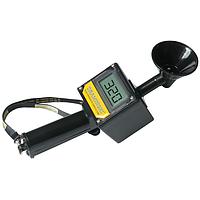
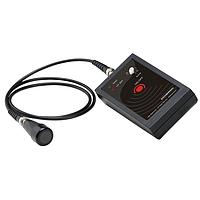
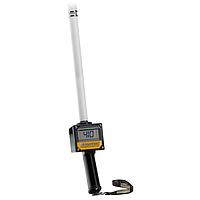
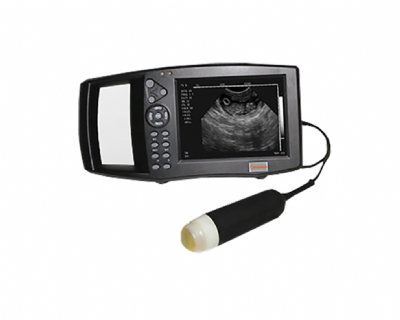
Representative services in this category include the DRAMINSKI Estrous Detector Inspection Service, DRAMINSKI Pregnancy Detector Inspection Service, DRAMINSKI Mastitis Detector Inspection Service, and Draminski Veterinary ultrasound scanners Inspection Service. These examples reflect the kind of equipment that benefits from periodic condition checks to support dependable operation in the field.
Use cases where regular inspection provides value
In breeding management, devices used to support heat detection and pregnancy assessment are often part of time-sensitive decision making. If equipment performance becomes inconsistent, it can affect scheduling, follow-up actions, and the overall efficiency of herd reproduction programs. Regular inspection helps users identify potential issues before they impact routine operations.
For mastitis screening and ultrasound-based examination, dependable equipment condition is equally important. Portable instruments are frequently exposed to repeated movement between barns, farms, and examination areas, so periodic review of their condition can be a practical way to maintain stable performance and reduce unexpected downtime.
What users typically expect from an inspection service
An inspection service generally focuses on the overall condition and functional readiness of the device. Depending on the equipment type, this may involve checking the instrument’s operation, reviewing visible wear, assessing key functional behavior, and confirming that the device is suitable for continued use within its intended application.
For veterinary users, the main benefit is often functional confidence rather than a purely administrative requirement. A structured inspection process can help confirm whether a detector or scanner is operating as expected, or whether further maintenance, adjustment, or follow-up service should be considered.
Choosing the right inspection service for the device
The most suitable service depends on the type of veterinary instrument in use and the role it plays in the workflow. A portable estrous detector used in herd reproduction management has different practical inspection priorities than an ultrasound scanner used for more detailed imaging tasks. Matching the inspection service to the actual device category is the first step toward getting relevant service support.
It is also helpful to consider frequency of use, transport conditions, and the operating environment. Equipment used intensively in field conditions may need closer attention than devices kept mainly in controlled clinical settings. If your wider maintenance needs also include measurement and testing devices outside veterinary applications, related categories such as specialty meters inspection services or electrical and electronic meter inspection service may also be relevant.
How this category fits into broader equipment maintenance planning
Veterinary devices are often only one part of a larger operational equipment ecosystem. Farms, laboratories, and technical service providers may also manage electronic meters, gas detection instruments, or other specialized tools that require periodic inspection to maintain dependable performance across multiple processes.
Looking at inspection needs as part of a broader service plan can make maintenance scheduling more efficient. For organizations handling multiple device types, related services such as gas detector and meter inspection service can complement veterinary equipment support in a structured maintenance program.
Who this category is intended for
This category is relevant for veterinary clinics, livestock operations, breeding farms, animal health professionals, and technical teams responsible for the upkeep of portable diagnostic instruments. It is especially useful for users who rely on field-ready equipment and want a practical way to review device condition without treating every issue as a full repair case from the outset.
It can also be valuable for procurement and maintenance coordinators who need clearer separation between inspection, repair, and replacement decisions. In that context, inspection services provide an important checkpoint for determining whether equipment remains fit for continued use or should move to the next stage of technical service.
Support more consistent animal health workflows
Whether the device is used for reproductive management, mastitis screening, or veterinary ultrasound work, regular inspection supports more stable operation and fewer surprises in routine practice. Keeping diagnostic tools in verified working condition is a practical step toward better continuity in animal care and farm management processes.
This Veterinary Equipment Inspection Service category brings together inspection options for key DRAMINSKI instruments used in animal health applications. If you are reviewing service options for existing equipment, this category provides a focused starting point for maintaining diagnostic reliability and planning service actions more effectively.
Get exclusive volume discounts, bulk pricing updates, and new product alerts delivered directly to your inbox.
By subscribing, you agree to our Terms of Service and Privacy Policy.
Direct access to our certified experts