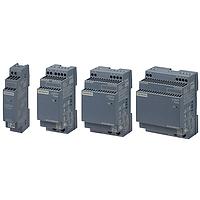
SIEMENS equipment Repair Service
When a critical automation asset stops working, production delays and troubleshooting time can quickly become more expensive than the failed part itself. For facilities using SIEMENS equipment Repair Service, the priority is usually clear: restore operation safely, identify the root cause, and reduce the risk of repeat failures across the same control system.
This service category is relevant for plants, system integrators, maintenance teams, and industrial users who rely on Siemens-based electrical and automation equipment in daily operation. Whether the issue appears in control hardware, power electronics, or supporting automation devices, a structured repair approach helps extend equipment life and supports more stable plant performance.
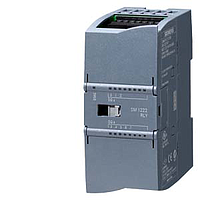
Why repair Siemens industrial equipment instead of replacing it immediately?
In many industrial environments, replacement is not always the fastest or most practical option. Installed equipment may be part of an existing machine architecture, electrical cabinet layout, or process line that has been operating for years. In those cases, repair service can be a practical path to restore function while preserving compatibility with the current system.
Repair is often considered when users want to maintain an installed Siemens platform, reduce unplanned downtime, or evaluate failure behavior before making larger upgrade decisions. It can also be useful for legacy systems where engineering changes, rewiring, or software adjustments would make a full replacement more complex than it first appears.
Typical issues seen in Siemens automation and electrical equipment
Industrial electrical and automation devices are exposed to heat, dust, vibration, unstable input conditions, and continuous operating cycles. Over time, these stresses can contribute to faults such as power instability, communication problems, intermittent operation, startup failure, or abnormal behavior under load.
For Siemens-based systems, service requests may involve equipment installed in control panels, factory automation lines, or electrical distribution and drive applications. In practice, repair work usually begins with fault isolation and inspection to determine whether the issue is related to the main unit, connected modules, operating conditions, or upstream and downstream equipment.
Some cases are closely related to broader categories of industrial service. For example, users dealing with drive-related faults may also want to review inverter repair service options, while facilities working with system-level device problems may benefit from a broader view of automation data logger repair.
What this category is designed to support
This page focuses on repair support for Siemens equipment used in industrial electrical and automated systems. It is suitable for businesses looking for service related to failed units, unstable operation, inspection after an unexpected shutdown, or recovery planning for installed assets.
A representative example in this category is the SIEMENS Repair service, which reflects the need for brand-specific handling in environments where equipment behavior, integration method, and operating context matter. In many B2B situations, repair is not just about replacing damaged components; it is about returning the device to a condition that fits the actual process requirement.
How Siemens equipment repair is usually approached
A useful repair workflow starts with clear failure information from the user: the machine condition before failure, alarm symptoms, operating environment, and whether the issue is constant or intermittent. This context helps narrow the possible causes and supports a more efficient technical assessment.
From there, the service process typically centers on inspection, diagnosis, and functional recovery. Depending on the type of equipment and the fault condition, attention may be given to power sections, control interfaces, communication behavior, and signs of thermal or electrical stress. In industrial settings, this kind of methodical repair process is often more valuable than simply swapping parts without understanding the underlying cause.
For users standardizing around one manufacturer, it can also be helpful to explore the wider SIEMENS product range to understand how repaired equipment fits within the existing automation ecosystem and future maintenance planning.
Choosing the right repair service for your application
Not every repair requirement has the same urgency or technical scope. A standalone electrical fault is different from a recurring failure inside a larger automation chain. When evaluating a Siemens repair service, buyers should consider the equipment’s role in the process, how critical the downtime is, and whether the failure may involve related components in the same cabinet or machine.
It is also useful to distinguish between a brand-focused request and a function-focused request. If the issue specifically concerns Siemens-installed assets across different device types, this category is the right starting point. If the failure is tied to a narrower device family or power control application, another specialized service may be more relevant, such as power thyristor controller repair service.
Where this service fits in industrial maintenance planning
Industrial maintenance strategy is not only about fixing what has already failed. It also involves deciding which assets should be repaired, monitored, stocked as spares, or scheduled for future replacement. Siemens equipment often sits inside larger control and power architectures, so repair decisions can influence uptime, commissioning effort, and maintenance cost beyond a single device.
For that reason, repair service can play an important role in lifecycle support. It gives maintenance and procurement teams a way to respond to faults without automatically triggering a full redesign or immediate hardware migration. In many B2B operations, that flexibility is essential when balancing uptime targets with budget, spare availability, and installed system constraints.
When to submit a Siemens unit for repair evaluation
It is usually worth considering repair evaluation when equipment shows unstable startup, repeated trip behavior, communication loss, visible signs of electrical stress, or inconsistent operation after long service periods. Even when the unit still runs, early assessment may help prevent wider machine downtime if the problem is getting worse over time.
Providing clear information about the application, fault symptoms, and installation environment can improve the quality of the diagnosis. This is especially important for automation equipment that interacts with other controllers, drives, sensors, or electrical devices in the same process line.
Supporting reliable operation with a practical repair path
For many factories and industrial users, repairing Siemens equipment is a practical way to restore function while keeping the existing system architecture intact. A well-scoped service helps reduce uncertainty, supports faster maintenance decisions, and gives technical teams a clearer view of whether repair, replacement, or a larger upgrade is the best next step.
If your application depends on Siemens-based electrical or automation hardware, this category provides a focused starting point for equipment repair service within a real industrial context. The right service path is usually the one that matches the fault condition, the role of the device in production, and the long-term maintenance plan for the system around it.
Get exclusive volume discounts, bulk pricing updates, and new product alerts delivered directly to your inbox.
By subscribing, you agree to our Terms of Service and Privacy Policy.
Direct access to our certified experts