Electronic Load Repair Service
When an electronic load starts giving unstable readings, fails to hold current, or behaves unpredictably under test, the impact is usually immediate: interrupted validation, unreliable power testing, and avoidable downtime. A professional Electronic Load Repair Service helps restore these instruments so they can return to dependable use in R&D labs, production lines, service centers, and power electronics test environments.
Electronic loads are widely used to simulate real operating conditions for power supplies, batteries, chargers, DC sources, and conversion systems. Because they work under continuous thermal and electrical stress, faults can appear over time in control circuits, displays, communication interfaces, cooling systems, or load modules. Repair support is especially valuable when the equipment is part of a critical test bench and replacement is not the most practical option.
Why electronic load repair matters in technical operations
An electronic load is not just another bench instrument. It plays a central role in characterizing source performance, checking regulation behavior, verifying protection responses, and evaluating battery discharge conditions. When the load itself is faulty, every downstream test result can become questionable.
Repair work is therefore about more than restoring power-on status. It is about recovering measurement stability, repeatable operating modes, safe thermal behavior, and proper interaction with the rest of the test system. In many facilities, this is essential for maintaining workflow continuity and reducing disruption to qualification or troubleshooting tasks.
Common issues seen in electronic loads
Electronic loads may develop faults gradually or fail suddenly after extended operation. Typical symptoms include inability to sink the commanded current, unstable readings, overheating, fan failure, front-panel errors, communication problems, or unexpected shutdown during testing. In programmable systems, abnormal mode switching or incorrect response under dynamic conditions may also indicate internal issues.
Some problems are linked to power stages, while others come from control boards, sensing circuits, connectors, or user interface components. In practical service situations, troubleshooting often needs to separate a true hardware fault from setup errors, external wiring issues, or related source instability. That is why repair capability in this area benefits from familiarity with the broader ecosystem of power test equipment, including power supply repair services when both source and load are used together on the same bench.
Supported brands and service scope
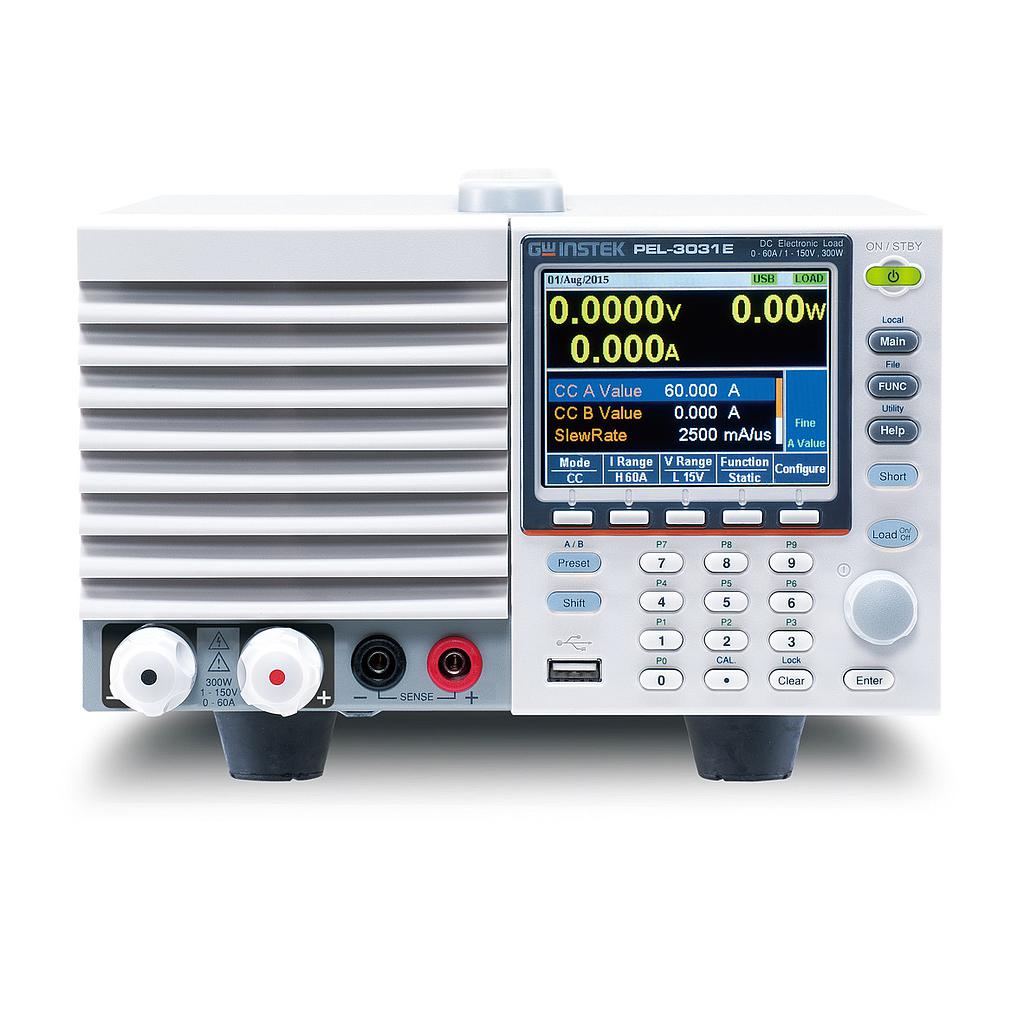
This category covers repair support for a range of widely used manufacturers in the electronic load segment. Examples include KEYSIGHT, Ametek, KEITHLEY, BKPRECISION, GW INSTEK, KIKUSUI, TEXIO, TTI, PINTEK, and PRODIGIT. Mentioning these brands is useful because service requirements can differ depending on architecture, control design, and intended application.
Representative service entries in this category include KEYSIGHT DC Electronic Load Repair Service, AMETEK DC Electronic Load Repair Service, KEITHLEY DC Electronic Load Repair Service, GW INSTEK DC Electronic Load Repair Service, and KIKUSUI DC Electronic Load Repair Service. Additional examples such as BKPRECISION, PRODIGIT, PINTEK, TTI, and TEXIO services reflect the practical need to support mixed-brand instrument fleets commonly found in industrial and laboratory environments.
What a repair evaluation typically focuses on
A useful repair process starts with fault verification under controlled conditions. The goal is to identify whether the problem affects power draw behavior, operating mode control, display and input functions, communications, or protection performance. For electronic loads, this often involves checking whether the instrument responds correctly across its normal working states rather than simply confirming that it turns on.
Technicians also pay attention to thermal management, internal stress points, and stability during sustained operation, since these are common reliability factors in load equipment. Where relevant, post-repair functional checks help confirm that the instrument behaves consistently enough for real test use. For organizations managing multiple instrument types, it may also be helpful to review related electrical and electronic meter repair services for supporting devices used in the same workflow.
Where repaired electronic loads are commonly used again
Once restored, electronic loads typically return to applications such as power supply validation, battery discharge testing, charger evaluation, DC source characterization, and service diagnostics. They are frequently used in electronics manufacturing, energy storage development, automotive electronics, telecom power systems, and maintenance departments that need controlled load simulation.
In these settings, the value of repair is closely tied to test continuity. Keeping an existing instrument in service can be preferable when procedures, operator familiarity, rack integration, or communication setup are already built around that unit. This is especially true for programmable benches where replacing one device may require software, fixture, or workflow changes.
Choosing the right repair service for electronic loads
Not every instrument fault should be approached the same way. For an electronic load, the right service path depends on the observed symptom, the role of the instrument in your process, and the brand or platform involved. A unit used for routine bench work may have different urgency and evaluation priorities than one installed in a production or qualification station.
It is usually helpful to prepare a clear description of the failure, including the operating mode used, approximate load conditions, visible alarms, and whether the issue is constant or intermittent. This kind of information can shorten diagnosis time and improve repair efficiency. If your test environment also relies on waveform analysis during troubleshooting, related oscilloscope and logic analyzer repair support may also be relevant for maintaining the full bench.
Typical reasons companies choose repair instead of replacement
For many B2B users, replacing a failed electronic load is not always the most efficient decision. Existing units may already be integrated into procedures, documentation, training, and test fixtures. Repair can help extend service life while avoiding unnecessary changes to validated setups or purchasing plans.
There is also a practical advantage in maintaining consistency across installed equipment. When teams continue using familiar platforms from makers such as KEYSIGHT, Ametek, KEITHLEY, or GW INSTEK, they can preserve operating habits and reduce the learning curve for technicians. In this sense, repair support is part of instrument lifecycle management rather than only a response to breakdown.
Electronic load repair service for stable long-term operation
A dependable repair solution for electronic loads should support both fault recovery and the return of usable performance in real testing conditions. Whether the issue involves current sinking behavior, control instability, thermal problems, or communication faults, a structured service approach helps reduce uncertainty and restore confidence in the instrument.
If your facility depends on electronic loads for power, battery, or source testing, selecting the right repair path can help protect uptime and preserve the value of existing equipment. This category is intended to support that need across commonly used brands and practical service scenarios, making it easier to identify relevant repair options for your test environment.
Get exclusive volume discounts, bulk pricing updates, and new product alerts delivered directly to your inbox.
By subscribing, you agree to our Terms of Service and Privacy Policy.
Direct access to our certified experts