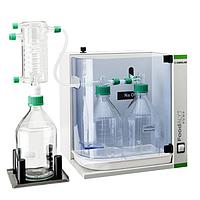
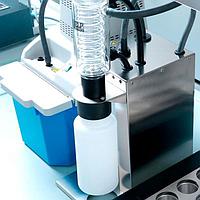
Toxic Vapor Filter Repair Service
When laboratory air treatment equipment starts to lose efficiency, the impact is not limited to comfort. Poor vapor capture, unstable airflow, clogged filtration stages, or worn internal components can affect operator safety, routine workflows, and overall equipment reliability. For facilities that depend on controlled handling of chemical fumes, Toxic Vapor Filter Repair Service helps restore proper function and supports more dependable day-to-day operation.
This service category is relevant for laboratories, research spaces, quality control rooms, and industrial testing environments where toxic vapor filtration systems are used as part of a broader safety setup. Rather than replacing equipment too early, repair and technical assessment can often identify serviceable parts, performance issues, and maintenance needs that return the unit to practical working condition.
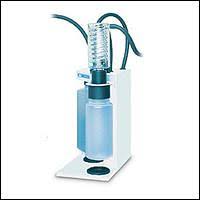
Why repair toxic vapor filtration equipment matters
Toxic vapor filters are typically used to reduce exposure to harmful fumes generated during sample preparation, chemical handling, digestion, extraction, or related lab processes. Over time, filters may become saturated, airflow paths can be restricted, seals may degrade, and supporting mechanical or electrical elements may no longer perform as expected. These issues can reduce capture efficiency and make the system less predictable in routine use.
A structured repair service is valuable because it focuses on the actual condition of the equipment rather than making assumptions. In many cases, the priority is not only replacing worn parts, but also checking whether the unit is operating consistently, whether airflow is being maintained properly, and whether the filter system still supports the intended application.
Typical issues addressed during service
Repair needs can vary depending on the design of the toxic vapor filter unit and how heavily it is used. Common service scenarios include reduced extraction performance, abnormal noise, damaged housings, aging seals, control issues, and wear in components that support filtration or ventilation. Units used frequently in chemically demanding environments may also require closer inspection for contamination-related degradation.
In practical terms, service work often begins with troubleshooting. The goal is to identify whether the performance issue comes from the filter stage itself, airflow obstruction, electrical faults, user controls, or general mechanical wear. This makes repair more efficient and helps avoid unnecessary replacement of parts that are still functional.
Service support for VELP-related equipment
For laboratories using equipment from VELP, repair support is especially relevant when the filtration system is integrated into a workflow that must stay stable over time. VELP equipment is widely associated with laboratory processes where fume management, sample treatment, and operator safety are important, so timely service can help reduce unplanned downtime and extend usable equipment life.
A representative example in this area is the VELP Scrubber Repair Service. While a scrubber and a toxic vapor filter are not identical in every configuration, both belong to the broader category of lab air treatment and vapor handling equipment. Mentioning this service is useful because many laboratories manage these systems together as part of one safety and process support environment.
What to consider before requesting repair
Before arranging service, it helps to review how the unit is currently being used. Important points include the type of chemicals or vapors handled, the frequency of operation, any recent drop in airflow or filtration performance, visible damage, alarm behavior if applicable, and whether maintenance intervals have been followed consistently. Even basic observations from operators can support faster troubleshooting.
It is also useful to distinguish between a unit that needs routine maintenance and one that may have a deeper fault. A heavily loaded filter, for example, may be part of normal wear, while unstable operation or repeated performance loss may indicate a broader issue in the air path, controls, or supporting hardware. This distinction helps set expectations for inspection, repair scope, and turnaround planning.
Repair service in the broader laboratory support workflow
Toxic vapor filtration equipment rarely operates in isolation. In many facilities, it supports a larger laboratory infrastructure that includes thermal equipment, storage systems, contamination control devices, and process instruments. For that reason, repair planning is often more effective when viewed as part of an overall equipment maintenance strategy rather than a one-off reaction to failure.
Facilities that maintain multiple critical devices may also need related services for equipment such as water bath repair or biosafety cabinet repair. Looking at service needs across the lab can improve uptime planning, reduce disruption, and support safer working conditions across different applications.
When repair may be preferable to replacement
Replacement is not always the first or most practical option, especially when the existing unit still fits the process and installation environment. If the main structure remains sound and the problem is linked to serviceable components, repair can be a reasonable path to restore functionality without changing the entire setup. This is particularly relevant for laboratories that want to minimize interruption to validated workflows or established operating procedures.
Repair also makes sense when the issue appears gradually rather than as catastrophic failure. A decline in extraction efficiency, inconsistent response, or increased noise may indicate that preventive service could restore normal operation before the condition worsens. Early intervention is often easier to manage than waiting for complete stoppage.
Choosing the right repair service approach
A good service approach starts with clear problem identification and realistic technical evaluation. For toxic vapor filter systems, that means understanding the operating environment, the role of the unit in the process, and the likely source of performance loss. Service is most useful when it aims not only to fix an immediate fault, but also to improve equipment reliability and reduce the chance of repeat issues.
If your laboratory relies on toxic vapor handling equipment as part of chemical safety and process control, this category provides a focused starting point for repair support. With the right assessment, many systems can continue operating effectively and remain a dependable part of the lab environment.
Get exclusive volume discounts, bulk pricing updates, and new product alerts delivered directly to your inbox.
By subscribing, you agree to our Terms of Service and Privacy Policy.
Direct access to our certified experts