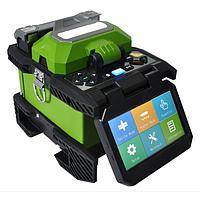
Fiber Optic Welding Machine Repair Service
When a fusion splicer starts producing unstable joints, higher splice loss, or unreliable arc performance, repair becomes a practical priority rather than a maintenance afterthought. In fiber deployment, telecom installation, and field service work, even small deviations in alignment or heating can affect link quality, rework time, and overall project cost.
Fiber Optic Welding Machine Repair Service is intended for organizations that need to restore fusion splicers to dependable working condition. Whether the issue is related to arc discharge behavior, fiber alignment, display response, mechanical wear, or general operating stability, a structured repair process helps extend equipment life and reduce disruption in daily optical work.
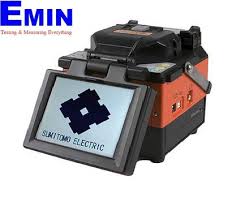
Why fusion splicer repair matters in optical work
A fiber optic welding machine, often referred to as a fusion splicer, plays a central role in building and maintaining optical networks. Because it combines delicate mechanics, optics, electrodes, and control electronics, performance can gradually drift after heavy field use, transport, dust exposure, or repeated thermal cycles.
Repair service is not only about fixing a device that no longer powers on. In many cases, users seek support when splice quality becomes inconsistent, the machine takes longer to complete operations, or the equipment shows warning behavior that could eventually lead to downtime. Addressing these issues early helps protect splice reliability and keeps installation or maintenance teams productive.
Common situations that indicate a repair requirement
Many service requests begin with operational symptoms rather than a clearly identified fault. A machine may still work, but it may no longer deliver the repeatable results expected in field applications. That is especially important when projects involve backbone links, access networks, or time-sensitive restoration work.
Typical reasons to consider repair include unstable arc behavior, poor splice consistency, abnormal electrode performance, imaging or alignment issues, keypad or screen malfunction, battery or charging problems, and damage caused by transport or harsh site conditions. If your optical toolchain also includes test instruments, it can be useful to review related services such as OTDR and photometer repair support when troubleshooting broader measurement and installation problems.
Supported brands and service examples
This category focuses on repair support for commonly used fusion splicer brands in the optical field. Examples available in the category include Fujikura, SUMITOMO, INNO, AFS, and Fibretool, reflecting the brands frequently used across telecom and fiber installation environments.
Representative services include Fujikura Fusion Splicer Repair Service, SUMITOMO Fusion Splicer Repair Service, INNO Fusion Splicer Repair Service, AFS Fusion Splicer Repair Service, and Fibretool Fusion Splicer Repair Service. These references help users identify brand-specific service paths, while the broader purpose of the category is to support the repair of professional fusion splicing equipment used in day-to-day optical deployment and maintenance work.
What a repair service typically addresses
The repair scope for a fusion splicer can involve several subsystems. Depending on the fault condition, service may focus on inspection, diagnosis, component-level correction, cleaning of critical areas, restoration of mechanical movement, or verification of arc and alignment performance after repair.
In practical terms, repair work often targets arc stability, electrode-related issues, fiber viewing and positioning accuracy, clamp or holder wear, connector damage, display and user interface response, and general power or charging behavior. The goal is not simply to make the equipment turn on again, but to restore stable operating behavior that supports dependable field splicing.
How to choose the right repair path
For buyers and maintenance teams, selecting a repair service starts with the machine brand, observed symptoms, and operational history. If the unit has suffered impact damage, repeated outdoor use, or prolonged storage, that context can help define the most likely service requirements and shorten diagnosis time.
It is also useful to consider the role of the instrument within your wider optical workflow. A fusion splicer is often part of a service ecosystem that includes fault finding and signal verification tools. If multiple devices are showing performance concerns, related categories such as optical power meter repair service or optical fault locator repair service may also be relevant.
Benefits of timely repair for B2B users
For contractors, telecom service providers, integrators, and maintenance departments, delaying repair can lead to more than a single equipment issue. It may increase splice rework, slow down installation teams, and introduce uncertainty into acceptance testing or network restoration schedules.
A timely repair approach supports equipment availability, helps reduce interruption in field operations, and can be more practical than replacing a professional splicer before its service life is truly exhausted. For organizations managing several optical instruments, a clear repair strategy also improves planning for spare units, technician scheduling, and long-term asset use.
When this service category is the right fit
This category is suitable when the main requirement is repair for a fusion splicer or fiber optic welding machine used in cable joining and optical network work. It is especially relevant for users who already know the brand involved and want to move directly toward a matching repair service option.
If your issue is centered on another type of optical instrument, a more specific service category may be a better match. For example, test-focused devices may fall under optical analyzer repair service rather than fusion splicer repair. Choosing the right category helps streamline service routing and improves the relevance of technical evaluation.
Practical considerations before sending equipment for repair
Before arranging service, it is helpful to document the machine brand, visible error conditions, operating symptoms, and any recent events such as drops, transport shock, or charging issues. Clear problem descriptions can make the evaluation process more efficient and help determine whether the fault is intermittent, mechanical, optical, or electronic in nature.
For B2B users managing field assets, keeping service records for each splicer is also a good practice. Over time, this supports better maintenance planning, easier comparison across brands, and more informed decisions about repair versus replacement, especially for heavily used equipment fleets.
Choosing the right repair service for a fusion splicer is ultimately about restoring dependable performance in real operating conditions. With support for widely used brands such as Fujikura, SUMITOMO, INNO, AFS, and Fibretool, this category helps buyers and technical teams find an appropriate starting point for keeping optical joining equipment in service and ready for demanding field work.
Get exclusive volume discounts, bulk pricing updates, and new product alerts delivered directly to your inbox.
By subscribing, you agree to our Terms of Service and Privacy Policy.
Direct access to our certified experts