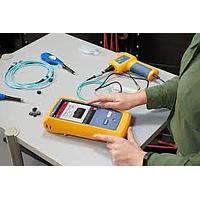
Fiber Ranger Repair Service
Reliable fiber inspection and fault-location work depends on instruments that remain accurate, stable, and ready for field use. When a unit begins to show inconsistent readings, charging problems, damaged ports, or unreliable operation, a professional Fiber Ranger Repair Service helps restore the tool to practical working condition and reduces disruption to maintenance, installation, and troubleshooting tasks.
This service category is intended for users who need support for Fiber Ranger devices used in optical network environments. Whether the issue appears during routine testing or after heavy field use, repair work should focus on functional recovery, inspection of affected assemblies, and verification that the instrument can return to service with dependable performance.
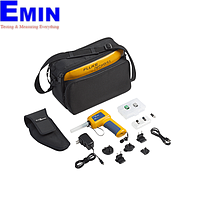
Why repair support matters for Fiber Ranger equipment
Fiber testing tools often operate in demanding conditions, including transport between sites, repeated connector handling, and frequent power cycling. Over time, these conditions can affect displays, battery systems, input/output interfaces, optical ports, buttons, or internal electronic sections. A structured repair process helps identify the root cause instead of treating only visible symptoms.
For service teams, contractors, and network maintenance personnel, downtime is more than an inconvenience. A non-functional unit can delay cable verification, fault tracing, and handover schedules. That is why repair services for this equipment are typically evaluated not only by the component fix itself, but also by how well the instrument is checked for overall usability after service.
Typical issues seen in field-used optical instruments
Although the exact condition varies by unit, common service cases often involve power instability, failure to boot, screen visibility issues, connector wear, charging faults, or irregular behavior during measurement. In portable optical tools, mechanical stress and contamination can also contribute to reduced reliability over time.
In some cases, users first notice a problem through inconsistent test behavior rather than complete failure. A tool may turn on but respond slowly, lose charge unexpectedly, or produce results that are difficult to trust in daily work. These symptoms usually require inspection of both the electrical condition and the physical interfaces that support normal operation.
Scope of service for Fiber Ranger repair
A proper repair workflow usually starts with condition assessment and fault diagnosis. From there, the service may involve targeted corrective work on damaged sections, replacement of failed parts where appropriate, cleaning or restoration of critical interfaces, and final functional checks before return. The goal is to bring the unit back to a usable and dependable state for optical field applications.
For organizations using equipment from Fluke Network, service planning often includes model-specific handling and attention to the normal wear patterns seen in portable network and fiber tools. As an example of the type of support covered in this category, the Fluke Network Fiber Ranger Repair Service is relevant for users who need practical repair assistance for this instrument family.
How to decide when repair is the right option
Repair is worth considering when the instrument still fits the application, but one or more faults prevent safe or reliable use. This is especially common when the unit has known value in an existing workflow, operators are already trained on it, and replacement would cause unnecessary cost or interruption.
It is helpful to document the problem before sending the device for service. Note whether the issue is constant or intermittent, whether it began after transport or impact, and whether it affects power-up, charging, display behavior, or optical operation. Clear fault descriptions can shorten diagnosis time and improve service efficiency.
Related optical repair services that may also be relevant
Fiber maintenance work rarely depends on a single device. Teams that use a Fiber Ranger may also rely on other optical instruments for splicing support, link testing, or power verification. When reviewing service options, it can be useful to consider related categories such as OTDR photometer repair and optical power meter repair.
For field operations that also include cable joining or restoration work, fiber optic welding machine repair service may be another practical area to review. Looking at related service categories together can help maintenance planners keep the broader optical toolset available and consistent across projects.
What B2B buyers should prepare before requesting service
In industrial and contractor environments, smoother service handling starts with basic equipment information. Prepare the model reference, serial number if available, a short description of the failure, and any notes about previous repair history. If the unit powers on, it is also useful to record what functions still work and what functions fail under normal operation.
For companies managing multiple test tools, internal traceability is just as important as the repair itself. Keeping records of usage conditions, fault reports, and return-to-service status supports better maintenance planning and helps identify whether issues are isolated or part of a broader equipment lifecycle pattern.
Choosing a service category with the right technical focus
Optical instruments require handling that matches their actual application environment. A service category centered on Fiber Ranger equipment is more useful than a generic electronics repair description because it reflects the working context of fiber testing and field diagnostics. That context matters when evaluating ports, power behavior, user interface response, and the overall readiness of the device for site work.
When comparing options, buyers often look for clear fault assessment, appropriate handling of portable optical equipment, and a sensible path back to operation rather than vague promises. A focused category structure also makes it easier to route related repair needs across different instrument types without losing technical relevance.
Support your optical workflow with a practical repair path
When a field instrument stops performing as expected, timely repair can help preserve workflow continuity and extend the useful life of the equipment already in service. A well-scoped repair service is especially valuable for teams that depend on portable fiber tools for routine inspection, maintenance, and troubleshooting.
If your unit shows faults that affect usability, stability, or confidence in day-to-day operation, this category provides a targeted starting point for Fiber Ranger service needs. Combined with the right related repair categories where necessary, it supports a more consistent and maintainable optical test environment.
Get exclusive volume discounts, bulk pricing updates, and new product alerts delivered directly to your inbox.
By subscribing, you agree to our Terms of Service and Privacy Policy.
Direct access to our certified experts