
Optical Fault Locator Repair Service
When fiber links need fast troubleshooting, an optical fault locator is often one of the first tools technicians reach for. Because this device is used directly in field diagnostics, its condition has a direct impact on fault isolation, maintenance speed, and confidence during testing. A reliable Optical Fault Locator Repair Service helps restore damaged or inconsistent units so teams can continue working with dependable optical inspection tools.
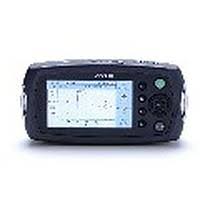
Why repair matters for optical fault locator equipment
Optical fault locators are commonly used to identify breaks, bends, leakage points, and other visible issues in fiber optic cabling. In daily use, these tools may be exposed to drops, connector wear, unstable output behavior, switch or power problems, and general handling stress. When performance becomes unreliable, fault tracing in the field can also become unreliable.
A professional repair process helps extend equipment life while supporting more consistent operation. For service teams, contractors, telecom maintenance providers, and industrial users working with fiber infrastructure, repairing an existing unit is often a practical way to bring a familiar tool back into service without disrupting established workflows.
Typical service scope and equipment examples
This category focuses on repair support for optical fault locator devices used in fiber optic inspection and troubleshooting tasks. It can be relevant when a unit no longer powers on, shows weak or unstable light output, has damaged controls, or delivers inconsistent indication during use. The goal is to restore normal function so the tool can once again support basic field diagnostics.
Examples in this category include service options related to equipment from ANRITSU, Fluke Network, and AFS. Representative listings such as ANRITSU Visual Fault Locator Repair Service, Fluke Network Visual Fault Locator Repair Service, and AFS Visual Fault Locator Repair Service illustrate the type of supported repair needs within this optical equipment segment.
Common issues seen in optical fault locators
Many repair requests begin with symptoms that seem minor but affect field work immediately. A locator may still turn on yet produce dim output, intermittent operation, or poor stability during repeated use. In other cases, the problem is more obvious, such as a broken port, damaged housing, failed button, charging issue, or complete loss of output.
Because these tools are part of a broader fiber troubleshooting workflow, even a small defect can slow diagnosis and create uncertainty about whether the issue is in the cable or in the instrument itself. Repair service is therefore not only about restoring the device, but also about helping technicians work more efficiently and with fewer false assumptions during maintenance.
How to determine whether repair is the right option
Repair is typically worth considering when the device remains important to ongoing maintenance tasks, when the fault appears limited to functional components, or when replacing the tool would be more disruptive than restoring it. For organizations that already use a standardized set of optical service instruments, repair can also help maintain continuity in technician habits and spare equipment planning.
It is helpful to note the exact symptom before requesting service. For example, users can describe whether the unit fails at startup, loses output after warming up, behaves inconsistently with different fibers, or has visible physical damage. Clear symptom reporting supports a more efficient service process and makes it easier to evaluate the likely repair path.
Related optical repair services in the same workflow
Optical fault locators are rarely used in isolation. In many maintenance environments, they are part of a broader tool set that may also include fusion splicing equipment, OTDR instruments, photometers, power meters, and analyzer platforms. If multiple optical devices are used together, it can be useful to review other relevant service categories as part of the same maintenance plan.
For example, teams handling full fiber installation and restoration work may also need fiber optic welding machine repair service. Where signal tracing and link verification are more advanced, OTDR photometer repair service and optical power meter repair service can also be relevant extensions of the same support ecosystem.
What B2B buyers should look for in a repair category
For business and industrial buyers, the most important consideration is whether the repair scope aligns with the equipment’s actual role in operations. An optical fault locator used for quick field checks may need dependable day-to-day function more than advanced lab-style analysis. That makes service suitability, symptom handling, and compatibility with ongoing maintenance practice especially important.
It is also useful to organize repair requests by device type rather than treating all optical tools the same way. A visible fault locator, an OTDR, and an optical analyzer each serve different diagnostic purposes, so service requirements may differ accordingly. Choosing the right repair category helps avoid delays and improves routing accuracy for the equipment that needs attention.
Support for well-known optical test equipment brands
This category is particularly relevant for users operating established field instruments from recognized manufacturers. ANRITSU, Fluke Network, and AFS are all represented here through repair-related product examples, making the category useful for buyers looking for service pathways tied to familiar optical maintenance equipment.
Brand reference is helpful, but the more practical priority is the actual instrument symptom and use case. Whether the unit is used by telecom teams, data cabling contractors, integrators, or facility maintenance personnel, a focused repair service for optical test tools helps reduce downtime and supports continued use of equipment already integrated into the job.
Choosing the right path for your optical maintenance needs
If your fault locator is no longer operating consistently, this category provides a clear starting point for restoring the tool instead of removing it from service prematurely. It is especially useful for organizations that rely on fast fiber checks during installation, inspection, and fault isolation work.
By selecting the repair category that matches the actual instrument type, buyers can streamline service requests and improve maintenance planning across their optical equipment fleet. For teams managing fiber infrastructure, a well-matched optical fault locator repair service supports practical uptime, better troubleshooting confidence, and smoother day-to-day field operations.
Get exclusive volume discounts, bulk pricing updates, and new product alerts delivered directly to your inbox.
By subscribing, you agree to our Terms of Service and Privacy Policy.
Direct access to our certified experts
