Radiation Meter/Detectors Repair Service
When radiation measurement equipment starts showing unstable readings, slow response, display faults, charging issues, or alarm errors, repair support becomes critical for both safety and workflow continuity. This page focuses on Radiation Meter/Detectors Repair Service for organizations that rely on dependable radiation monitoring in laboratories, industrial facilities, environmental control, research, inspection, and field operations.
Because these instruments are used in sensitive applications, service decisions are rarely based on price alone. Buyers typically need a repair pathway that helps restore measurement reliability, reduces downtime, and fits the specific instrument type, whether the device is a radiation meter, detector, monitor, tester, or dosimeter.
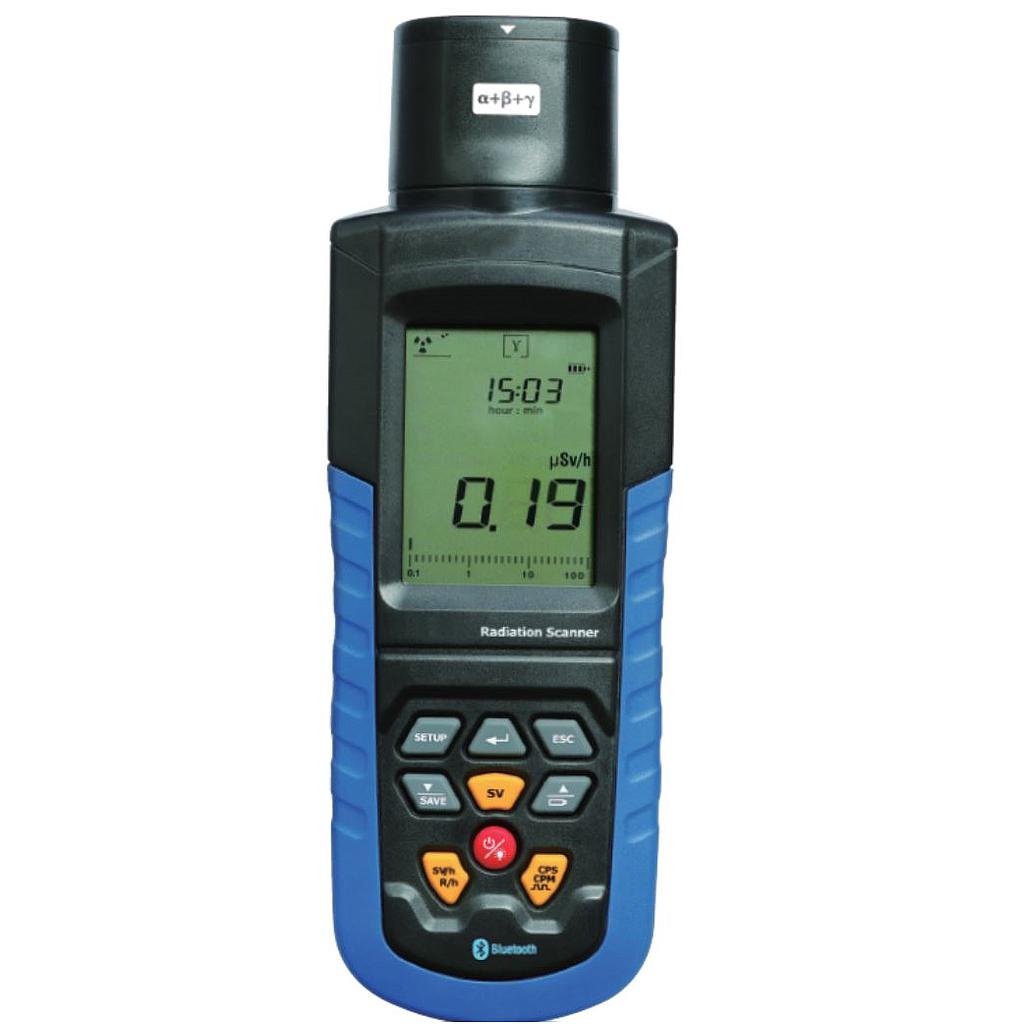
Repair support for different types of radiation instruments
Radiation-related instruments cover a broad range of use cases, and service needs can vary accordingly. Some devices are designed for spot measurement, others for continuous monitoring, and others for personal exposure tracking. In practice, repair work often involves evaluating the instrument’s sensing behavior, power system, alarm function, display status, communication capability, and overall operating stability.
This category is suitable for equipment such as radiation meters, detectors, monitors, testers, and dosimeters. Representative service entries include Fluke Radiation Detection Meter Repair Service, Atomtex Radiation Monitor Repair Service, RAE Radiation Dosimeter Repair Service, TENMARS Radiation Tester Repair Service, and POLIMASTER Radiation Detectors Repair Service. These examples help illustrate the coverage of the category without limiting it to a single device format.
Why repair quality matters in radiation measurement applications
For many technical teams, a faulty instrument is more than a maintenance issue. It can interrupt routine inspection, delay compliance-related work, and create uncertainty in environments where dependable indication and alarm behavior are essential. That is why instrument condition, signal stability, and functional verification are central considerations when arranging repair service.
Radiation instruments may be exposed to demanding storage, transport, or operating conditions over time. Even when a unit still powers on, symptoms such as drift, intermittent buttons, weak backlight, damaged connectors, or inconsistent alarm behavior can affect usability. A structured repair process helps determine whether the issue is electronic, mechanical, power-related, or linked to sensing performance.
Common service scenarios buyers typically need
In B2B environments, repair requests often start with a practical problem rather than a formal diagnosis. The device may fail to boot, stop charging, lose display visibility, trigger false alarms, or show irregular measurement behavior. Service support is therefore valuable not only for obvious faults, but also for instruments that appear functional yet no longer inspire confidence in daily use.
Examples within this category include the FLUKE ecosystem for radiation detection meters, PCE environmental tester-related repair support, and model-specific entries such as MEDCOM Radiation Meter Repair Service, HITACHI (Inspire The Next) Radiation Dosimeter Repair Service, and VELP Radiation Detector Repair Service. In each case, the goal is to restore reliable operation appropriate to the instrument’s intended role.
How to choose the right repair service path
Selecting the right service starts with identifying the exact equipment type and the symptoms observed during operation. Buyers should prepare the device name, manufacturer, fault description, operating behavior, and any visible damage or accessory issues. This information helps determine whether the case is closer to a detector fault, meter electronics issue, user-interface problem, or power subsystem failure.
It is also useful to consider how the instrument is used in the field. A portable dosimeter used for personnel monitoring may require different service attention from a bench or handheld radiation meter used in inspection tasks. If your maintenance needs extend beyond radiation devices, related support categories such as electrical and electronic meter repair service or thermometers and thermal cameras repair service may also be relevant.
Brand coverage and equipment examples in this category
This service category highlights repair support for instruments associated with manufacturers frequently used in technical and industrial environments. Priority brands represented here include FLUKE, HITACHI (Inspire The Next), PCE, RAE, Atomtex, IMI, POLIMASTER, TENMARS, and VELP. These names reflect the practical scope of the category and help buyers quickly identify whether their installed base is aligned with the available service direction.
Featured examples include Fluke Radiation Detection Meter Repair Service, Atomtex Radiation Monitor Repair Service, POLIMASTER Radiation Detectors Repair Service, TENMARS Radiation Tester Repair Service, and RAE Radiation Dosimeter Repair Service. Rather than treating every instrument the same way, this category is intended to support application-appropriate repair handling across different product families used for detection, monitoring, and exposure-related tasks.
Where this category fits within broader equipment maintenance
Radiation instrument repair is part of a wider maintenance strategy for test, inspection, and measurement assets. Many organizations manage mixed fleets that include electrical meters, thermal instruments, oscilloscopes, power supplies, and specialized detectors. Keeping those assets serviceable helps reduce replacement pressure and supports more consistent use of existing equipment across departments.
For teams managing multiple instrument classes, it can be helpful to align repair workflows across related categories. In addition to radiation devices, some users also work with oscilloscopes and logic analyzers repair service when troubleshooting electronics or validating supporting systems. This broader view is often useful in labs, maintenance centers, and industrial service environments.
What to prepare before sending a unit for service
Before requesting repair, it helps to record the instrument brand, service name or model reference, visible condition, and a concise description of the fault. If the issue is intermittent, note when it happens, such as during startup, charging, alarm testing, or normal measurement use. These details can shorten the evaluation process and improve communication around the repair case.
It is also good practice to mention whether the unit is part of a routine inspection workflow, environmental monitoring task, or personnel safety process. That context can help prioritize the service approach and clarify operational urgency. For business users, this leads to a more efficient repair intake process and better planning around equipment availability.
Support practical continuity for critical measuring instruments
Choosing a suitable repair service for radiation meters and detectors is ultimately about restoring confidence in equipment that supports safety-sensitive work. Whether you use a handheld meter, a fixed monitor, a tester, or a dosimeter, a clear service path helps extend instrument usability and reduce disruption to technical operations.
This category brings together relevant repair options for a focused range of radiation measurement devices and related brands. If your team is maintaining a broader fleet of industrial and laboratory instruments, this page can also serve as a useful starting point for organizing service needs across the wider measurement ecosystem.
Get exclusive volume discounts, bulk pricing updates, and new product alerts delivered directly to your inbox.
By subscribing, you agree to our Terms of Service and Privacy Policy.
Direct access to our certified experts