
Lead Cutter Repair Service
Consistent lead trimming is a small step in the electronics assembly process, but it has a direct impact on solder joint quality, board appearance, downstream handling, and overall production efficiency. When a lead cutter starts producing uneven cuts, jamming during operation, or showing unstable mechanical movement, repair becomes a practical way to restore reliability without interrupting line performance for longer than necessary.
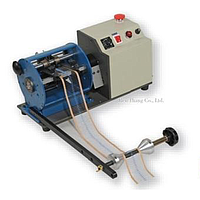
Lead Cutter Repair Service is intended for businesses that rely on component lead cutting equipment in PCB assembly, manual soldering workstations, and electronics production support areas. Instead of treating recurring cutting errors as isolated problems, a proper repair approach helps identify wear, alignment issues, drive faults, and other causes that can reduce accuracy and equipment life.
Why lead cutter performance matters in electronics assembly
Lead cutters are often used near soldering and component preparation steps, where repeatability matters more than it may first appear. A cutter that no longer trims consistently can affect insertion quality, clearance, rework effort, and visual inspection results, especially in processes that handle large volumes of through-hole components or repeated bench work.
In many workshops, these machines operate alongside soldering and rework equipment, so mechanical stability and predictable cutting action are essential. Repair work is not only about getting the unit to run again; it is also about restoring cutting precision, safe operation, and the fit of the equipment within the broader assembly workflow.
Common issues that typically require repair
Lead cutters can develop problems gradually through normal wear or suddenly after heavy use, contamination, or mechanical shock. Typical symptoms include incomplete cuts, irregular lead length, blade wear, excessive vibration, feeding issues, abnormal noise, sticking motion, or failure to start and stop correctly.
Some faults are mechanical, such as worn cutting parts, loose assemblies, or misalignment in the moving mechanism. Others may involve electrical or control-related problems, especially when the equipment depends on motorized action, switching, or timing functions. A structured repair process helps isolate the root cause rather than only addressing the visible symptom.
What a repair service should help restore
A useful repair outcome goes beyond basic functionality. In this type of equipment, the goal is usually to recover stable cutting action, smooth mechanical travel, proper adjustment response, and repeatable output across continuous use. That is particularly important in B2B environments where one unstable unit can slow operators, create extra inspection work, or increase rework downstream.
For many users, equipment reliability is just as important as speed. After repair, the machine should be able to return to normal production support duties with reduced risk of recurring stoppages. This is especially relevant when the lead cutter is part of a cell that also uses soldering, rework, and assembly equipment requiring coordinated uptime.
When repair is usually a better choice than replacement
Repair is often the sensible option when the machine still matches the production task, the core structure remains sound, and the fault is related to wear, adjustment drift, or replaceable internal parts. For facilities that need to keep familiar tools in operation, repairing existing equipment can help maintain workflow continuity and operator familiarity.
It can also make sense when the issue affects only one stage of the process and the rest of the work area is functioning normally. In electronics maintenance environments, a lead cutter is rarely isolated from other tools, so restoring one piece of equipment may be more efficient than replacing and requalifying a station setup. If your line also depends on nearby soldering tools, related support such as soldering station repair may be relevant when diagnosing broader workstation issues.
Typical service context in SMT and electronic assembly environments
Although lead cutters are a specific equipment group, they are commonly maintained within a larger service ecosystem for PCB assembly and electronic circuit work. Production lines, repair benches, and manual assembly cells often combine cutters with soldering, desoldering, and component handling tools, which means repair planning is usually most effective when viewed at the workstation level rather than as a single standalone item.
For that reason, some businesses review adjacent equipment conditions at the same time. Depending on the setup, it may be useful to compare the condition of the lead cutter with nearby desoldering stations or a broader assembly and repair station service scope when multiple tools show signs of wear.
How to evaluate a lead cutter service requirement
Before sending equipment for repair, it helps to record the actual operating symptom as clearly as possible. For example, note whether the problem appears continuously or only under load, whether cut quality changes by component type, and whether the machine shows abnormal sound, resistance, or intermittent stopping. This kind of information supports faster fault isolation and helps distinguish a blade or alignment issue from a deeper drive or control problem.
It is also useful to consider how the machine is used in practice. A unit in occasional bench work may show different wear patterns from one used repeatedly in production support. Understanding duty cycle, maintenance history, and the point at which performance began to decline makes it easier to define the right repair scope and reduce unnecessary downtime.
Benefits of a focused repair approach for B2B operations
In industrial and electronics service environments, repair quality affects more than the tool itself. A properly restored lead cutter can help maintain output consistency, reduce manual correction, improve handling at the workstation, and support smoother coordination with upstream and downstream tasks. These practical gains matter in purchasing, maintenance, and production teams alike.
A focused service approach is also valuable when businesses manage multiple repair needs across the same work area. For example, facilities with automated joining processes may also need welding robot repair service in parallel, but the repair priorities and risk profile are different. Lead cutter repair remains important because it supports the fine, repetitive operations that influence assembly quality at the bench and line-support level.
Choosing support based on actual workflow needs
The right service decision depends on how the equipment fits into your assembly process, what symptom is affecting production, and whether the problem is isolated or linked to a wider workstation condition. For some businesses, the main concern is restoring a single cutter quickly; for others, the more effective path is to review all connected soldering and rework equipment together.
When evaluated with the real application in mind, repair service can extend usable equipment life and restore dependable operation where it matters most: at the point of assembly. If your operation depends on repeatable component preparation and clean electronic workmanship, a well-scoped lead cutter repair effort is a practical step toward stable day-to-day performance.
Get exclusive volume discounts, bulk pricing updates, and new product alerts delivered directly to your inbox.
By subscribing, you agree to our Terms of Service and Privacy Policy.
Direct access to our certified experts