

11/02/2026 15:00:29
DC fast charger laboratories use high-power bidirectional DC electronic loads to simulate EV battery behavior while evaluating charger output, control response, and communication-related test conditions.
DC fast charger laboratories use high-power bidirectional DC electronic loads to simulate EV battery behavior while evaluating charger output, control response, and communication-related test conditions.
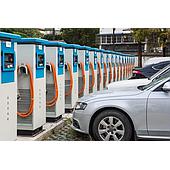
A regenerative grid simulator is used for EV charger testing because it can handle bidirectional power flow, reproduce changing grid conditions, and support automated, repeatable test procedures.
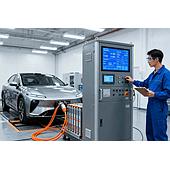
A traditional DC power supply suits stable voltage or current tests, while an ANEVS battery simulator is intended to reproduce changing battery behavior, including SOC-OCV relationships, internal resistance, and programmed operating conditions.
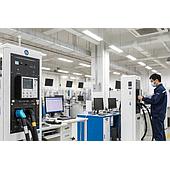
A programmable DC electronic load can simulate controlled steady-state, transient, and fault conditions when evaluating EV charging modules. Key checks include efficiency mapping, voltage ride-through, short-circuit protection, and current sharing among parallel modules.
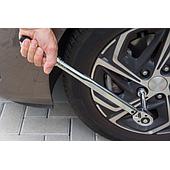
Automotive torque calibration tools help shops check torque-wrench performance where work is done. On-demand testing can support wheel-service process control, reduce reliance on periodic checks, and reinforce correct torque practices.
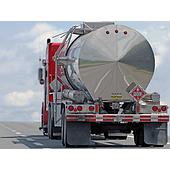
Non-destructive ultrasonic testing enables tank wall thickness measurements in areas prone to wear, corrosion, or high stress. This method helps assess the service condition of tanks used to transport hazardous materials or waste.
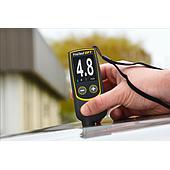
A paint thickness meter provides measurable readings across vehicle panels. Comparing nearby readings can reveal inconsistencies associated with repainting, filler, rust repair, or collision work.
In an automotive repair shop, cleaning, restoration, and protection are closely connected to the actual condition of the painted surface. For light scratches, swirl marks, stains, tree sap, paint overspray, or oxidation, technicians may consider polishing to improve the appearance. However, both polishing and sanding affect the coating. Therefore, an automotive paint thickness gauge is an important supporting tool before, during, and after surface treatment.
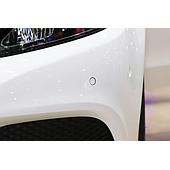
Accurate paint thickness measurement helps collision repair teams control refinishing work on plastic bumpers and fascias that incorporate ADAS sensors.
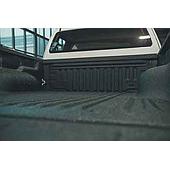
A practical overview of spray-on truck bedliner thickness, application considerations, and non-destructive measurement options for steel and aluminum truck beds.
Get exclusive volume discounts, bulk pricing updates, and new product alerts delivered directly to your inbox.
By subscribing, you agree to our Terms of Service and Privacy Policy.
Direct access to our certified experts