Contactors
Reliable motor switching and load control are fundamental in industrial panels, machine building, HVAC systems, and power distribution assemblies. When engineers specify contactors, they are usually balancing electrical rating, switching frequency, control voltage, installation space, and the operating environment rather than looking for a one-size-fits-all part.
Contactors are widely used wherever a circuit needs to be switched repeatedly and safely under command from a control system. In industrial automation, they sit at the intersection of power and control, helping connect low-power signals from controllers to higher-power loads such as motors, heaters, compressors, pumps, and lighting circuits.
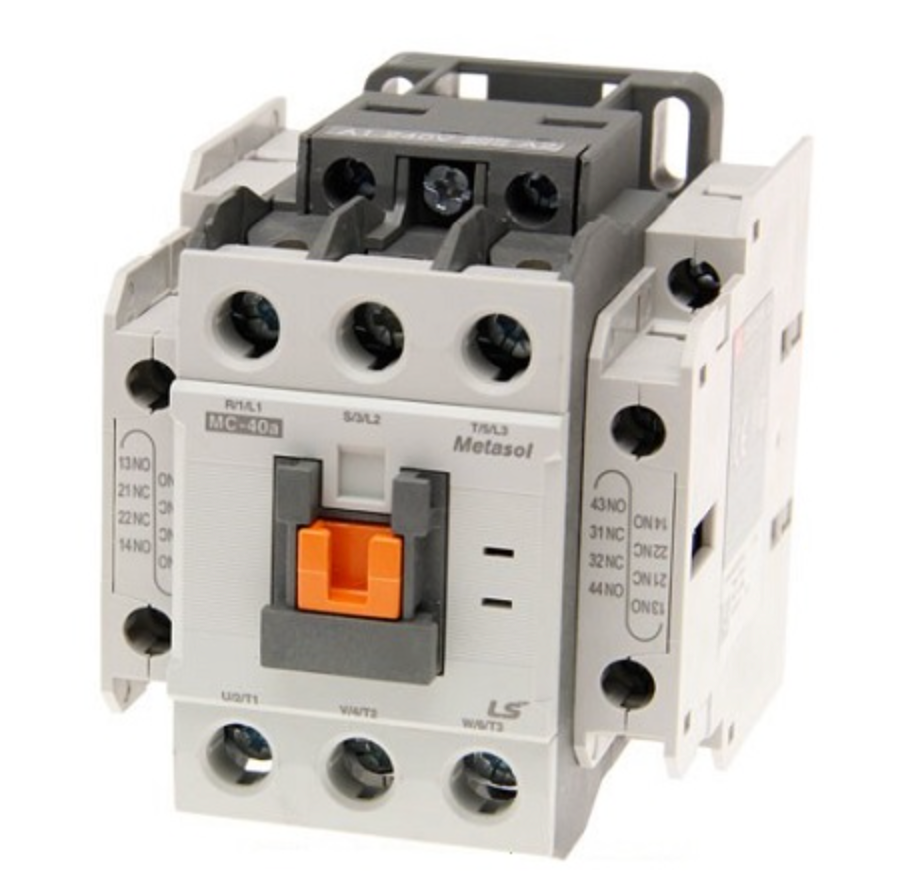
Where contactors fit in industrial automation
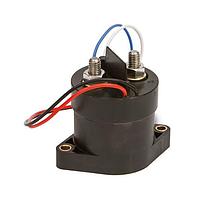
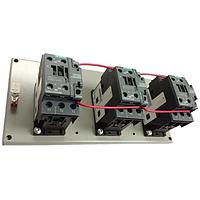
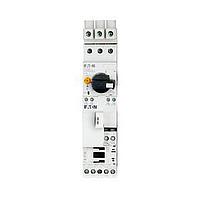
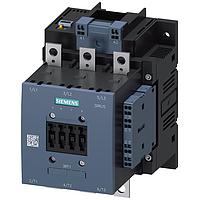
A contactor is an electrically controlled switching device designed to open or close a power circuit. Compared with manual switching methods, it supports remote operation, frequent switching, and easier integration into automated systems. This makes it a practical choice for control cabinets, motor starters, process equipment, and building automation panels.
In many systems, contactors work alongside industrial controllers, overload protection devices, relays, timers, and operator interfaces. The controller handles logic, while the contactor performs the actual power switching. This separation helps simplify system design and supports safer operation during normal cycling and controlled shutdown.
Common applications and operating scenarios
Contactors are commonly selected for switching three-phase motors, resistive heating loads, ventilation equipment, pumps, and other electrically driven machinery. In these applications, the device must withstand repeated energizing and de-energizing without excessive wear, while maintaining dependable contact performance over time.
They are also used in combination with protective devices from related areas such as circuit protection. In a typical panel, protection devices address short-circuit or overload conditions, while the contactor handles commanded switching. Understanding that difference is important when designing a robust power control section rather than treating every switching component as interchangeable.
Key factors when choosing a contactor
The right selection starts with the load. Engineers generally look at motor or load current, voltage class, utilization category, number of poles, and required coil voltage. Duty cycle also matters: a device that switches occasionally in a utility enclosure may be specified differently from one used in a machine that cycles many times per hour.
Physical integration is another major consideration. Panel space, DIN rail or other mounting needs, terminal style, ambient temperature, and maintenance access can all affect the final choice. For automated lines and packaged equipment, it is also worth considering how the contactor will interface with sensors, interlocks, and companion control devices such as counters and tachometers where sequencing or runtime monitoring is part of the application.
Electromechanical contactors in practical use
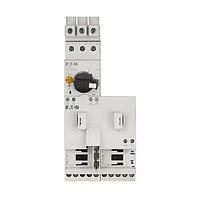
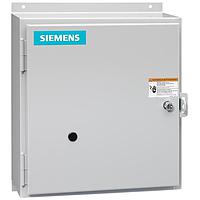
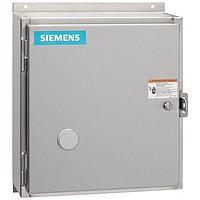
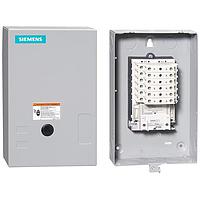
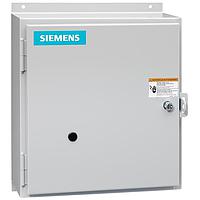
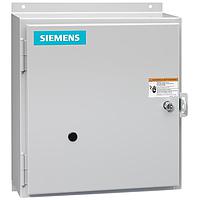
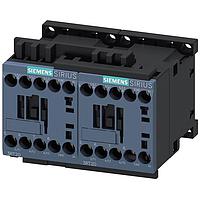
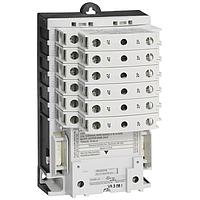
Within this category, electromechanical contactors remain a core solution for industrial switching tasks. Their operating principle is straightforward: energizing the coil creates a magnetic field that moves the contacts into position, allowing the power circuit to close or open as required. That simplicity is one reason they remain widely used across industries.
For many B2B buyers, this type of device offers a good balance of serviceability, familiarity, and compatibility with standard panel design practices. It is especially relevant in conventional motor control schemes, pump stations, compressors, fans, and general-purpose machinery where clear wiring logic and established maintenance procedures are important.
Leading manufacturers and supply considerations
Brand preference often comes down to panel standardization, project specifications, and maintenance policy. In this category, buyers frequently look for established industrial manufacturers such as ABB, Eaton, and Banner Engineering depending on the wider system architecture and sourcing requirements. For some projects, consistency across switchgear, control components, and accessories can simplify procurement and spare-part management.
TE Connectivity-related brands in the broader lineup may also be relevant where supporting connection and interface components are part of the same control build. The most suitable choice usually depends on electrical compatibility, enclosure layout, and lifecycle expectations rather than manufacturer name alone.
How contactors relate to the wider control panel ecosystem
In real installations, contactors are rarely specified in isolation. They are part of a broader switching and control chain that may include relays, overload devices, terminals, sensors, and human-machine interfaces. For motion-related or machine-vision systems, adjacent categories such as cameras and accessories may support inspection or process verification, while the contactor continues to handle the power side of the machine.
This broader view is useful for system integrators and OEM buyers. A well-matched contactor supports not only electrical switching performance, but also maintainability, wiring consistency, and smoother integration into the full automation architecture.
What to review before ordering
Before purchasing, it is worth confirming the load type, required current and voltage, coil control voltage, pole configuration, and expected operating frequency. If the contactor will be installed in a demanding environment, factors such as temperature, enclosure conditions, contamination, and service access should also be checked early in the selection process.
It is equally important to review compatibility with the surrounding protection and control scheme. A contactor that fits the electrical rating but does not match the panel design, control voltage standard, or maintenance approach can create avoidable delays during installation and commissioning.
Conclusion
Choosing the right contactor is less about finding a generic switching device and more about matching the component to the real operating demands of the application. From motor control and HVAC equipment to general industrial panels, the category supports a wide range of power-switching needs with practical integration into automated systems.
By focusing on load characteristics, control requirements, panel constraints, and supplier consistency, buyers can narrow the selection more effectively and build more dependable assemblies. For industrial automation projects, a well-specified contactor remains a key part of safe, repeatable, and maintainable electrical control.
Get exclusive volume discounts, bulk pricing updates, and new product alerts delivered directly to your inbox.
By subscribing, you agree to our Terms of Service and Privacy Policy.
Direct access to our certified experts