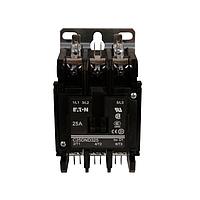
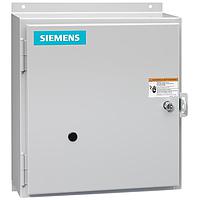
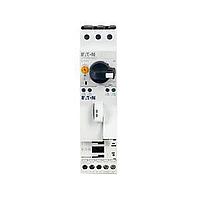
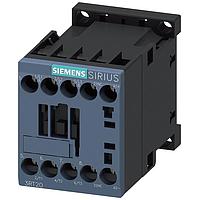
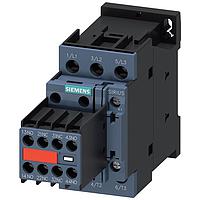
Electromechanical Contactors
When a machine, HVAC system, motor load, or power circuit needs reliable switching under repeated operation, the contactor becomes a core control component. In industrial panels and building automation alike, choosing the right device affects electrical endurance, control logic, maintenance planning, and overall system stability. This page brings together Electromechanical Contactors for applications where physically actuated contacts remain a practical and widely used solution.
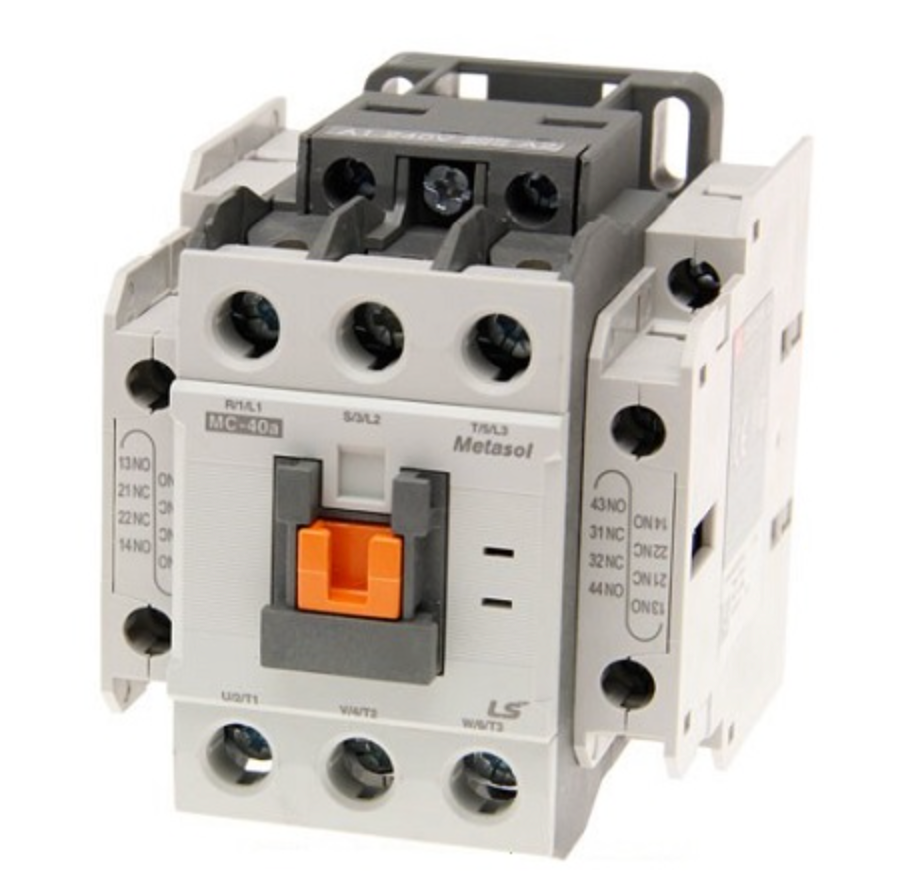
Where electromechanical contactors fit in industrial systems
An electromechanical contactor is designed to switch electrical power circuits by energizing a coil that mechanically opens or closes contacts. This operating principle makes it suitable for repeated switching tasks in motor control, pumps, compressors, conveyors, heating circuits, and other automation environments where a control signal must safely handle a larger load.
Compared with other switching devices, contactors are typically selected when the application involves frequent operation, defined control states, and integration into a broader starter or control panel architecture. If you are reviewing the wider contactor range, this category focuses specifically on the traditional electromechanical format rather than alternative switching approaches.
Why this type of contactor is still widely used
Despite the growth of electronic control technologies, electromechanical switching remains highly relevant because it is familiar to panel builders, straightforward to troubleshoot, and adaptable across many standard industrial designs. The visible separation of control and power functions also makes these devices easy to integrate with relays, overload protection, timers, and conventional pushbutton circuits.
Another advantage is application flexibility. In many systems, engineers value a component that can be specified according to coil voltage, contact arrangement, switching duty, and panel layout requirements. This makes electromechanical contactors a practical choice for both new builds and maintenance replacements, especially where existing control architecture is already based on hardwired logic.
Typical applications and selection logic
Selection should start with the actual load being switched. Motor loads, resistive heaters, compressors, fans, and general-purpose power circuits can place very different demands on a contactor. The operating frequency, inrush conditions, ambient environment, and required electrical life all influence which device family is appropriate.
It is also important to consider the full control chain rather than the contactor in isolation. Coil control voltage, auxiliary contact needs, enclosure space, and compatibility with upstream and downstream devices should be reviewed early in the design process. For systems that use mechanically operated power switching as the main control method, exploring dedicated electromechanical contactor options can help narrow the range to devices aligned with conventional industrial panel design.
Integration with control panels and automation hardware
In real-world installations, a contactor rarely operates alone. It often works alongside overload devices, terminal interfaces, timers, relays, signal components, and safety-related control elements. Good panel design depends on more than current handling alone; technicians also need clear wiring access, serviceability, and a layout that supports predictable maintenance over time.
Manufacturers such as Eaton and Finder are often considered in broader control-panel sourcing because users may need compatible switching and control components within the same project ecosystem. In many cases, the goal is not simply to replace a part, but to maintain a coherent control strategy across new installations, retrofit work, and spare parts planning.
What to review before ordering
Before selecting a unit, confirm the required coil characteristics, the switching duty of the load, and the contact arrangement needed by the circuit. A device that is suitable for one type of load may not be ideal for another, even when the headline ratings appear similar. Reviewing the application category and expected operating pattern helps reduce premature wear and nuisance failures.
You should also evaluate installation conditions such as panel temperature, vibration, available space, and service access. For maintenance teams, replacement speed matters, so consistency in mounting style and wiring layout can be just as important as the electrical specification. These practical details often determine whether a contactor performs well over the long term in production or facility environments.
Brand context within this category
This category may be relevant to buyers working across multiple industrial and automation brands. Alongside established names used in power and control applications, related sourcing may involve manufacturers such as Agastat - TE Connectivity, Banner Engineering, or APC by Schneider Electric where broader project requirements include control, connection, or supporting panel components.
That said, the right choice should always be driven by application fit rather than brand name alone. For B2B buyers, the most useful comparison usually comes down to switching method, control requirements, mechanical design, and long-term maintainability within the target system.
Choosing with the full system in mind
A good contactor decision supports more than simple on/off control. It should align with how the machine or facility actually operates, how often switching occurs, what maintenance teams expect in the field, and how the panel is built as a complete assembly. Looking at the load profile, control voltage, and installation environment together usually leads to a more reliable result than comparing part numbers in isolation.
For projects involving motors, building services, or general industrial power switching, electromechanical contactors remain a practical and well-established choice. Use this category to compare suitable options for standard control architectures, and select the device that best matches your electrical duty, panel design, and maintenance requirements.
Get exclusive volume discounts, bulk pricing updates, and new product alerts delivered directly to your inbox.
By subscribing, you agree to our Terms of Service and Privacy Policy.
Direct access to our certified experts