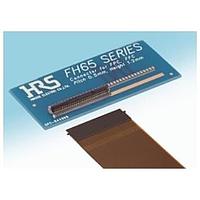
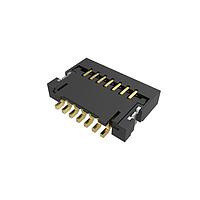
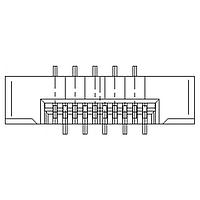
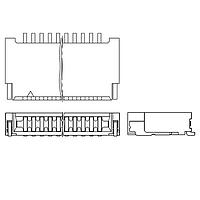
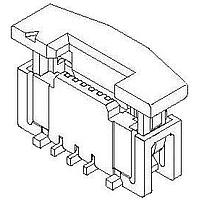
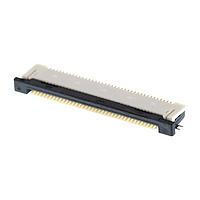
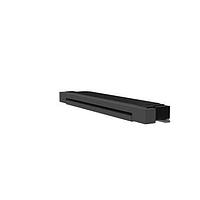
FFC & FPC Connectors
Compact cable-to-board connections are essential when equipment designers need to save space without sacrificing signal integrity or assembly efficiency. In control panels, embedded displays, compact sensors, and electronic subassemblies, flat flexible cable interfaces help simplify routing while keeping layouts clean and low profile.
FFC & FPC Connectors are widely used for these applications because they support thin, lightweight interconnections between boards, modules, and flexible circuits. For buyers, engineers, and maintenance teams, choosing the right connector means looking beyond basic fit and focusing on pitch, mounting style, contact orientation, locking method, and the operating environment of the final device.
Where FFC and FPC connectors fit in industrial electronics
These connectors are designed for use with flat flexible cable (FFC) and flexible printed circuit (FPC), making them a practical choice when traditional round-wire harnesses would take too much space. They are commonly selected for assemblies that require compact packaging, repeated integration into OEM equipment, or efficient connection between displays, control boards, and interface modules.
Within the broader connector ecosystem, this category serves a different purpose from larger I/O connectors or rugged field wiring interfaces. FFC and FPC formats are typically preferred inside equipment, where board density, cable bend radius, and streamlined assembly are often more important than heavy-duty external mating.
Typical applications and design scenarios
In industrial and commercial electronics, these connectors are often used where a low-profile interconnect helps reduce enclosure size or simplify internal cable routing. Common examples include HMI assemblies, compact operator interfaces, embedded display sections, measurement electronics, communication modules, and subassemblies that need a clean connection between moving or tightly packed parts.
They are also relevant when designers need a connection system that supports organized cable management in products with limited internal clearance. Compared with bulkier alternatives, a well-matched FFC or FPC interface can improve assembly consistency and reduce mechanical stress on adjacent components when the cable path is properly designed.
Key selection factors before you buy
The first step is confirming compatibility between the connector and the cable type being used. Buyers should review the required pitch, number of positions, contact orientation, insertion style, and whether the application uses an FFC or an FPC tail. Even small differences in mating geometry can affect installation, retention, and long-term electrical performance.
It is also important to consider the locking mechanism and service conditions. Some applications benefit from designs that support quick assembly, while others require more secure retention to handle vibration, repeated access, or movement during operation. Temperature exposure, contamination risk, and available board space should all be assessed before finalizing the connector family.
For projects involving broader internal connectivity, teams may also compare these products with I/O modules or other board-level interconnect options depending on how signals are distributed within the system. The right choice depends on whether the priority is compact signal transfer, modular field wiring, or mixed interface architecture.
Important mechanical and assembly considerations
With FFC and FPC interfaces, mechanical details often matter as much as the electrical connection itself. Board layout, insertion direction, cable bend management, and actuator accessibility can all influence production efficiency and maintenance convenience. A connector that looks suitable on paper may still create assembly difficulties if there is not enough clearance for cable insertion or latch operation.
Another critical point is strain management. Flexible cable systems are excellent for compact layouts, but they should still be installed in a way that avoids excessive pulling, twisting, or sharp repeated bending near the contact area. Paying attention to these factors helps protect contact reliability and reduces the risk of intermittent issues over time.
Manufacturer options in this category
This category includes products associated with established connector suppliers used across industrial and electronic applications. Depending on the project requirements, buyers may look at solutions from AMP Connectors - TE Connectivity, Amphenol, Amphenol FCI, Hirose Electric, ITT Cannon, or JAE Electronics, among others represented in this range.
Each manufacturer may be preferred for different reasons such as portfolio breadth, availability for OEM sourcing, familiarity within a design team, or alignment with existing platform standards. When evaluating options, it is usually more effective to compare the connector form factor and application fit than to choose based on brand alone.
How this category compares with other connector families
FFC and FPC products are optimized for compact internal interconnection, which makes them distinct from connector families intended for higher mechanical robustness, heavier current handling, or specialized communication environments. For example, systems requiring more rugged power distribution may be better aligned with heavy duty power connectors, while highly specialized signal transmission environments may call for different connector technologies altogether.
This distinction is useful for procurement teams managing mixed BOMs across multiple machine or device platforms. Rather than treating all connectors as interchangeable, it helps to group them by actual function: compact flexible cable connection, external I/O interface, modular wiring, or heavy-duty power connection.
What to check for sourcing and replacement
For new designs, the main goal is ensuring that the connector matches the cable specification and board layout from the start. For maintenance or replacement purchases, teams should verify not only the visible dimensions but also mating orientation, actuator style, and mounting compatibility. Connectors that appear similar at a glance may not be interchangeable in production equipment.
It is also helpful to consider long-term support and standardization across product lines. Selecting a connector family that fits multiple assemblies can simplify purchasing, reduce stocking complexity, and support more consistent service procedures across equipment variants. That is especially valuable in B2B environments where uptime, repeatability, and procurement control matter more than one-off convenience.
Choosing the right FFC and FPC connector for your application
The best selection process starts with the actual use case: cable type, available space, board orientation, assembly method, and expected operating conditions. Once those basics are defined, it becomes easier to narrow the category to connectors that support reliable installation and practical long-term use.
For engineers and buyers working with compact electronic assemblies, FFC & FPC Connectors offer an efficient way to build clean internal connections where space is limited and flexibility matters. A careful review of mechanical fit, retention method, and system context will lead to a more dependable choice than focusing on part appearance alone.
Get exclusive volume discounts, bulk pricing updates, and new product alerts delivered directly to your inbox.
By subscribing, you agree to our Terms of Service and Privacy Policy.
Direct access to our certified experts