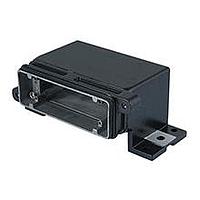
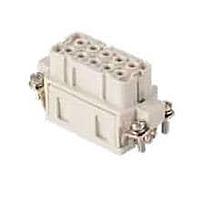
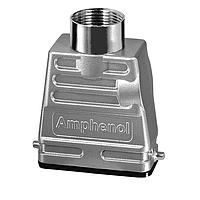
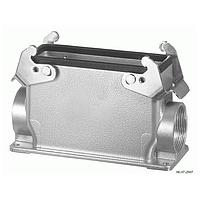
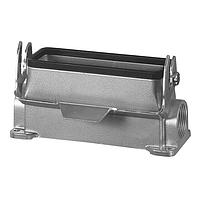
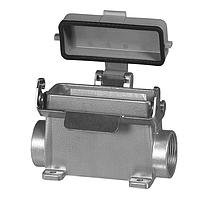
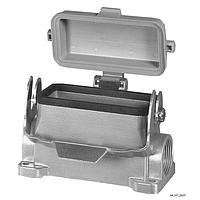
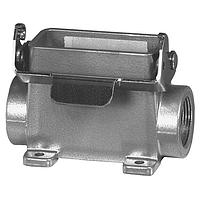
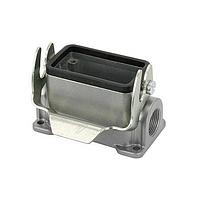
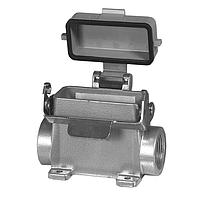
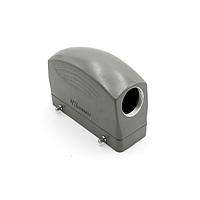
Heavy Duty Power Connectors
Reliable power distribution becomes a critical design concern as equipment moves into harsher environments, higher current loads, and more demanding duty cycles. In these situations, connector selection is not just about mating two cables together; it directly affects uptime, maintenance efficiency, and the long-term stability of the installation.
Heavy Duty Power Connectors are commonly used where industrial systems need secure electrical connections that can withstand vibration, repeated handling, and challenging operating conditions. They are widely considered for machinery, control cabinets, production lines, mobile equipment, and other applications where connector durability and serviceability matter as much as electrical performance.
Where heavy duty power connectors fit in industrial systems
In industrial automation, power connectors often sit at the point where equipment must be connected quickly, disconnected safely, or serviced without rewiring an entire assembly. This is especially useful in modular machines, field-installed systems, and equipment that may need replacement or expansion over time.
Compared with lighter connector formats, this category is typically associated with more robust housings, stronger locking approaches, and designs intended for dependable power transmission in demanding settings. For projects that also require broader connectivity beyond power delivery, related solutions such as I/O connectors may be relevant for signal and interface connections within the same system architecture.
What buyers usually evaluate first
When comparing options, engineers and sourcing teams usually begin with the practical operating requirements: current path, installation environment, cable routing, and maintenance access. The right choice depends on how the connector will be used in the field, not only on whether it matches a panel cutout or cable size.
Typical evaluation points include mechanical robustness, mating reliability, ease of assembly, and how well the connector supports safe, repeatable connection under load-bearing industrial conditions. In many projects, buyers also look at enclosure compatibility, service intervals, and whether a connector family supports future variations of the same machine platform.
Common application scenarios
Heavy duty power connectors are often specified for systems that experience vibration, movement, dust exposure, or frequent maintenance access. Examples include manufacturing equipment, conveyor systems, energy-related equipment, machine tools, and industrial control installations where connectors must remain stable over extended operating periods.
They are also useful in designs where technicians need a more structured and maintainable wiring approach. A robust connector interface can simplify equipment installation, support faster replacement of subsystems, and reduce the risk of wiring errors during service. In mixed-power and mixed-signal assemblies, teams may pair these products with categories such as I/O modules when the overall design includes distributed control and field-level interfacing.
Selection considerations beyond basic fit
A connector that appears suitable on paper may still be a poor choice if the surrounding application is not considered carefully. Cable flexing, mating frequency, available installation space, and exposure to contaminants can all influence which connector format is most appropriate.
It is also important to assess the full connector ecosystem rather than a single part in isolation. Buyers often review housing style, contact arrangement, termination approach, and accessory compatibility together so the final selection supports both electrical and mechanical requirements. In some compact or board-level designs, products from adjacent categories like FFC & FPC connectors may serve entirely different purposes, which helps clarify why heavy duty power connectors are generally chosen for more rugged power interconnect needs.
Manufacturer options for industrial procurement
This category may include solutions from established connector suppliers such as Amphenol, along with other recognized names in the broader interconnect market including 3M, AMP Connectors - TE Connectivity, Amphenol Industrial, and Aptiv. For B2B buyers, manufacturer selection often depends on project standards, preferred sourcing channels, and the need for consistency across multiple machine builds or facility upgrades.
Rather than focusing only on brand familiarity, procurement teams usually compare product family depth, long-term availability, and suitability for the operating environment. This is particularly important in industrial settings where connector standardization can simplify maintenance, spare part planning, and documentation across multiple systems.
How this category supports maintainability and system uptime
In many industrial environments, the value of a connector is measured not only during initial installation but throughout the equipment lifecycle. A well-chosen heavy duty interface can help reduce unplanned downtime by making inspection, replacement, and reconnection more predictable during service work.
Serviceability is especially important in systems that must be moved, cleaned, upgraded, or repaired without lengthy rewiring. Connectors built for demanding use cases can support cleaner cable organization and more efficient maintenance procedures, which becomes increasingly important as machines and control systems grow more complex.
Choosing with the broader connector ecosystem in mind
Power connectivity rarely exists on its own. Many industrial assemblies require a combination of power, signal, and specialized interconnects, so the right selection process should consider how this category works alongside the rest of the platform. For example, applications involving ruggedized communication or specialized transmission needs may also call for products such as fiber optic or interface-specific connector families elsewhere in the system.
Heavy duty power connectors are most useful when the goal is dependable power connection under real industrial conditions, with attention to mechanical integrity, operational safety, and maintenance practicality. If you are comparing options for a new installation or an equipment retrofit, it helps to start with the operating environment, the electrical loading profile, and the service expectations of the machine rather than relying on form factor alone.
For industrial buyers, this category is ultimately about building a connection strategy that remains dependable after installation day. By matching connector choice to environmental demands, maintenance workflow, and overall system architecture, it becomes easier to select a solution that supports both reliable operation and long-term equipment support.
Get exclusive volume discounts, bulk pricing updates, and new product alerts delivered directly to your inbox.
By subscribing, you agree to our Terms of Service and Privacy Policy.
Direct access to our certified experts