Industrial Displays
Clear visual feedback is essential wherever machines, panels, and embedded systems need to communicate status, process values, or user instructions. In industrial environments, display components are selected not only for readability, but also for integration needs, interface compatibility, and long-term operation within control equipment, HMIs, instruments, and automation assemblies.
Industrial Displays in this category cover a broad range of visual technologies used across industrial automation and electronic equipment design. From compact LED indicators and alphanumeric panels to TFT modules for richer graphical interfaces, these products support applications where operators, technicians, and systems need fast access to information in a reliable and structured format.
Where industrial displays are commonly used
Display modules appear in many types of equipment, including operator panels, measurement devices, embedded controllers, diagnostics interfaces, and machine-mounted electronics. In some systems, a simple numeric or alphanumeric output is enough to show counts, status codes, or process values. In others, a graphical display is needed for menus, settings, trends, and richer visualization.
This is why display selection is closely tied to the overall system architecture. A machine builder working with industrial controllers may need a panel display for configuration and local feedback, while equipment using counters and tachometers may prioritize bright, easily readable digits for fast interpretation on the shop floor.
Display technologies in this category
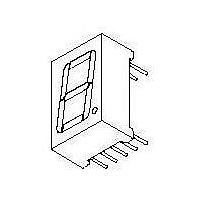
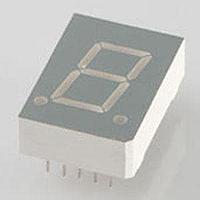
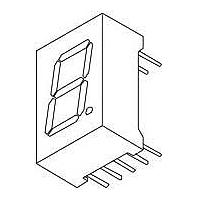
This category spans several common display approaches used in automation and embedded design. LED displays are often chosen for high visibility, straightforward status indication, and numeric or matrix-based readouts. They are widely used in counters, instrument panels, and compact operator interfaces where direct readability matters more than advanced graphics.
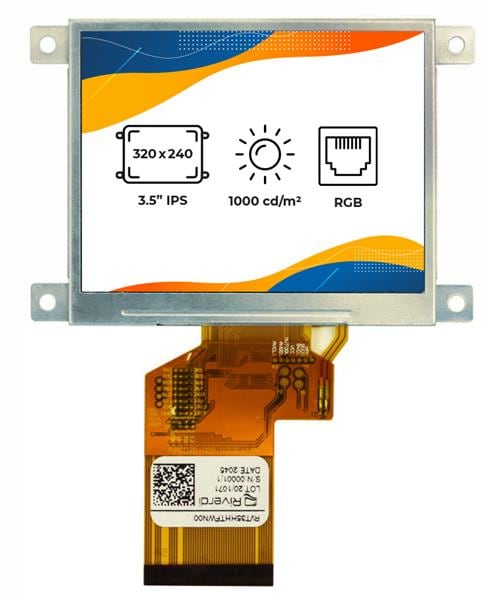
TFT modules are typically selected when the application calls for more detailed visual content, such as icons, menus, touch-based interfaces, or multistate dashboards. They are commonly integrated into industrial terminals, embedded computing platforms, and custom HMI designs. Other display formats in the broader ecosystem can serve specialized needs depending on contrast, viewing angle, power considerations, and integration constraints.
Representative products and display formats
Several products in this range illustrate the variety available for industrial and embedded applications. On the graphical side, modules such as the Advantech IDK-2115N-K2XGB1E, VUE-2150-XA50PX-N4, and IDS-3212G-45SVA1E show the role of TFT modules in systems that need more advanced user interaction and richer screen content.
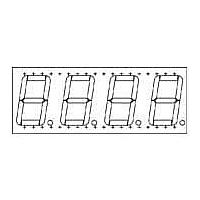
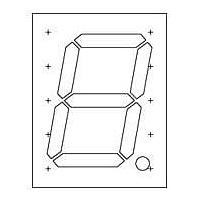
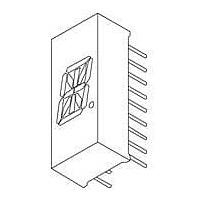
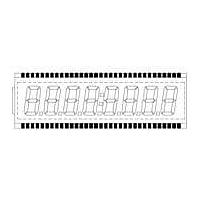
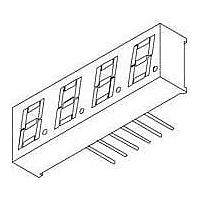
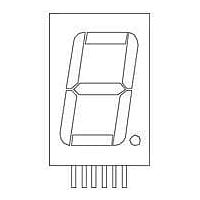
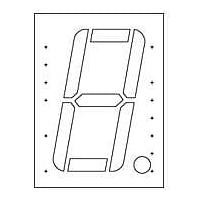
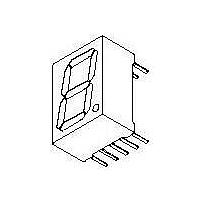
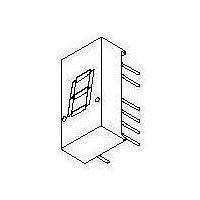
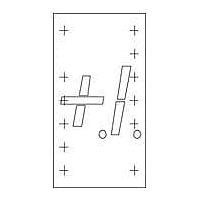
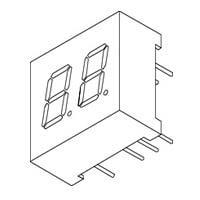
For segmented and matrix-style indication, examples include Broadcom display modules such as 5082-7623, 5082-7651-DE000, 5082-7663-D0B00, and 5082-7661, which reflect the continued relevance of compact numeric LED formats in instruments and control panels. Dot matrix and alphanumeric options are also represented by products like the ams OSRAM DLO1414-21, SLY2016, and Q68000A8096, while Adafruit modules such as the 3162 LED Charlieplexed Matrix and 555 16x24 Red LED Matrix Panel highlight matrix-based display approaches for message, pattern, or custom visual output.
How to choose the right industrial display
A practical selection process starts with the information that must be shown. If the application only needs a few digits or status characters, a simple numeric or alphanumeric display may be the most efficient approach. If the interface must present multiple data fields, navigation menus, or graphic elements, a TFT-based module is often a better fit.
It is also important to consider viewing conditions, electrical integration, and mechanical mounting. Brightness, color, display format, and pin or module style all influence how easily the part can be integrated into a finished design. In industrial settings, engineers also look at how the display fits into the broader control cabinet or operator station, especially when placed alongside devices such as cameras and accessories for inspection or monitoring workflows.
Integration considerations in automation equipment
Displays rarely operate as isolated parts. They are usually one element within a larger assembly that may include controllers, sensors, signal conditioning, power distribution, and protective components. For this reason, display choice should align with communication needs, available space, operator distance, and how often the interface will be used.
System integration also includes practical maintenance concerns. A straightforward LED module may be ideal for compact, dedicated equipment where the output is fixed and simple. A TFT display may be more suitable where the interface evolves over time, or where one screen must present multiple operating states, setup pages, and diagnostic messages. In either case, matching the display format to the machine’s real use case usually delivers better usability than choosing on appearance alone.
Manufacturers commonly found in this range
This category includes products from established names used across industrial electronics and embedded hardware. Advantech appears prominently in TFT module solutions for interface-driven systems, while Broadcom and ams OSRAM are relevant for LED-based display formats used in compact visual indication. Adafruit is also represented with matrix display options that can be useful in development, prototyping, and specialized interface projects.
The presence of multiple manufacturers gives design teams flexibility when comparing display type, form factor, and intended application. Rather than focusing only on brand, it is usually more helpful to compare the display technology, readability requirements, and integration method that best support the equipment being built.
Finding the right fit for your application
Choosing among industrial display options becomes easier when the application is clearly defined: what must be shown, who needs to read it, from what distance, and under what operating conditions. A compact numeric module may be enough for a dedicated readout, while matrix and graphical modules can support more complex operator interaction.
If your project involves machine controls, instrumentation, or embedded equipment, this category provides a practical starting point for comparing display technologies used across modern automation systems. Reviewing the display format, interface needs, and installation context together will help narrow the range to components that fit both the technical design and the operator experience.
Get exclusive volume discounts, bulk pricing updates, and new product alerts delivered directly to your inbox.
By subscribing, you agree to our Terms of Service and Privacy Policy.
Direct access to our certified experts