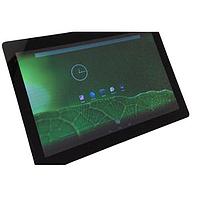
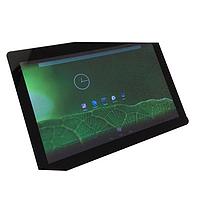
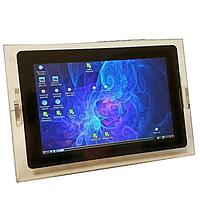
TFT Displays & Accessories
When a machine interface needs more than simple numeric indication, a TFT panel often becomes the practical choice. It helps operators view process values, menus, diagnostics, and graphical status information in a compact format that is easier to interpret on the shop floor, in embedded devices, or in control-oriented equipment.
TFT Displays & Accessories in this category are suited to projects that require visual clarity, compact integration, and dependable display performance. The range is relevant for industrial HMI concepts, electronics development, instrumentation front panels, and embedded systems where readability, interface type, and mechanical fit all matter during design selection.
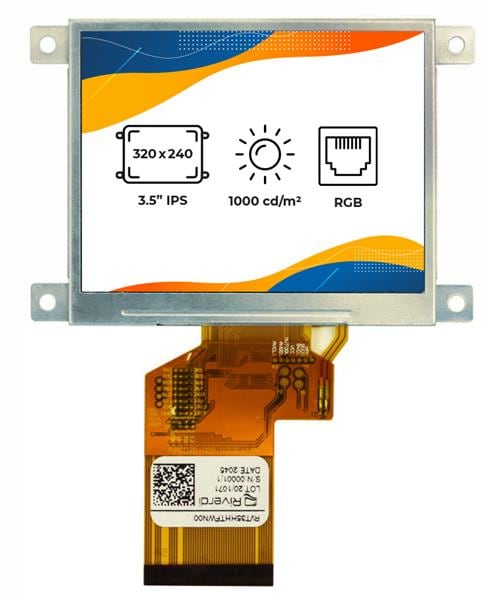
Where TFT displays fit in an industrial and embedded workflow
A TFT display is typically chosen when users need to present more visual information than a segmented indicator can handle. Compared with simpler display technologies, it is better suited to interfaces that show icons, status screens, navigation layers, or richer graphical content for setup and monitoring.
In practice, these products are used across operator panels, embedded controllers, portable devices, test equipment, and custom electronics. If your application only needs basic digits or symbols, a dedicated LED display or LCD numeric display module may be more appropriate, while TFT solutions make more sense when layout flexibility and pixel-based graphics are part of the requirement.
What is included in this category
This category covers both display modules and related accessories that support visibility, integration, or front-surface performance. That is important because a complete display solution is not always just the panel itself; films, interface-compatible modules, and application-specific display parts can also affect the final user experience.
For example, the Adafruit 910 TFT LCD display is a compact module example for projects where size, interface simplicity, and integrated display functionality are important. On the accessory side, the 3M Electronic Specialty 7000006400 advanced light control film illustrates how optical enhancement materials can support screen readability and visual performance in demanding environments.
Selection factors that matter before you choose
The first step is to define display size and resolution according to the information density your interface must present. A small screen can be effective for compact devices or narrow menu structures, but more detailed operator interfaces usually need enough pixel area for legible text, icons, and process feedback.
Next, review the electrical and communication interface. Interface type affects controller compatibility, integration effort, and update performance. In embedded design, it is also important to consider supply voltage, available board space, viewing area, and mounting constraints so the display works as part of the whole system rather than as an isolated component.
Environmental and user-facing factors should not be overlooked. Backlighting, viewing behavior, cover materials, and surface treatments can all influence readability. In some applications, accessories such as light-control film are useful where reflections, angle sensitivity, or surface durability may affect operator comfort and consistent screen visibility.
Display modules and accessories work as one ecosystem
Many buyers initially focus only on the display panel, but accessories often have a direct impact on final usability. Films, overlays, and optical control components can support contrast perception, privacy characteristics, or glare management depending on the design intent and installation environment.
This is why it makes sense to evaluate the category as a display ecosystem rather than a list of standalone parts. A module such as the Adafruit 910 may serve a compact embedded interface requirement, while a product such as the 3M advanced light control film can support the visual layer around the display surface. Together, these elements help engineers build a more complete front-end solution.
Examples from leading manufacturers in this range
Several well-known suppliers appear in this category context, each relevant to different application needs. 3M Electronic Specialty is notable here for display-related optical materials, which can be useful when visibility control or surface enhancement is part of the design. Adafruit is often relevant for compact module-oriented development use cases where fast prototyping or embedded integration is a priority.
Beyond TFT-specific examples, related display and interface components from manufacturers such as Broadcom, Lite-On, Delta Electronics, Inc., and MITSUBISHI help illustrate the wider industrial display landscape. If your project is still comparing technology paths, it may also be worth reviewing OLED displays for different visual and integration priorities.
When a TFT solution is the better fit than other display types
A TFT display is often the right choice when the interface must communicate more than a few fixed values. Menu-driven configuration, graphic status screens, multilingual interfaces, and richer visualization usually benefit from pixel-based displays rather than segmented characters alone.
That said, not every application needs TFT. For highly focused numeric output, dedicated LED or LCD modules can be simpler and more economical from a system-design perspective. The decision usually comes down to the balance between information density, operator interaction, environmental visibility, and integration complexity.
Practical buying guidance for engineers and B2B teams
Before ordering, define the intended use case clearly: prototype, low-volume machine build, panel retrofit, or OEM integration. This helps narrow the choice between compact modules, accessory materials, and other display formats in the broader industrial display family.
It is also useful to review not only the display format but the surrounding mechanical and electrical design. Check whether the selected module aligns with your controller interface, enclosure dimensions, and user-viewing conditions. If a product will be installed in a bright or variable environment, accessories that improve the front-end optical result can be just as important as the display itself.
Conclusion
Choosing the right TFT display is less about chasing specifications in isolation and more about matching the display system to the way operators will actually use the equipment. Screen size, interface type, readability, and supporting accessories all influence whether the finished product feels clear and reliable in daily operation.
This category brings together useful options for teams developing graphical interfaces, compact embedded products, and industrial front panels. By comparing modules and accessories together, buyers can make a more informed selection that supports both technical integration and a better on-screen experience.
Get exclusive volume discounts, bulk pricing updates, and new product alerts delivered directly to your inbox.
By subscribing, you agree to our Terms of Service and Privacy Policy.
Direct access to our certified experts