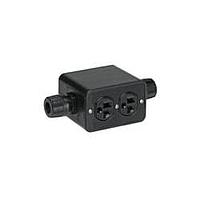
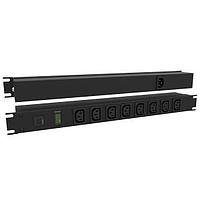
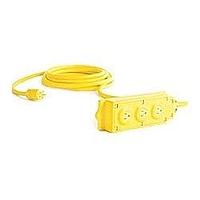
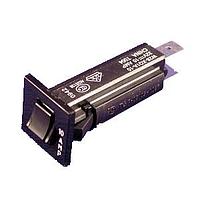
Power Outlet Strips
Reliable power distribution is a basic requirement in control panels, test benches, production cells, maintenance areas, and IT-adjacent industrial spaces. When multiple devices need safe, organized access to AC power, Power Outlet Strips help simplify wiring, reduce clutter, and make day-to-day operation more manageable.
In industrial and technical environments, the right outlet strip is not just a convenience item. It can support cleaner cable routing, easier equipment access, and more practical power management for instruments, network hardware, chargers, tools, and auxiliary devices. Choosing the right format depends on where it will be installed, what it will power, and how demanding the environment is.
Where power outlet strips fit in industrial settings
Power outlet strips are commonly used anywhere several devices share a nearby power source. Typical examples include workstations, service carts, electronics assembly areas, automation support cabinets, laboratory benches, and light-duty equipment zones where plug-in devices must be powered from a single distribution point.
Compared with ad hoc extension arrangements, a dedicated strip creates a more structured approach to power access. This is especially useful when equipment layouts change over time or when temporary and semi-permanent devices need to be connected in a controlled way. In broader facility power planning, outlet strips often complement products such as DIN rail power supplies and backup systems used elsewhere in the installation.
Key selection factors before you buy
The most important starting point is the actual load and the type of connected equipment. Buyers typically consider the number of outlets required, plug configuration, mounting style, cord length, and whether the strip will serve office-adjacent electronics, industrial support devices, or maintenance tools. These factors affect both usability and electrical safety in daily operation.
It is also worth reviewing the installation environment. A strip used on a clean bench may be very different from one placed near machinery, under a workstation, or in an area with frequent cable movement. For many technical teams, the best choice is the one that balances power distribution, physical durability, and straightforward access for maintenance personnel.
Installation and layout considerations
Good placement improves both safety and serviceability. A well-positioned outlet strip can reduce cord strain, keep plugs accessible, and support neater cable paths between powered devices and the main AC source. This matters in spaces where operators regularly connect and disconnect equipment or where technicians need a clear view of energized devices.
Mounting method also plays a practical role. Some applications call for strips attached to benches, racks, frames, or enclosures, while others benefit from more flexible placement. In systems that include conditioning or runtime protection, users may pair outlet strips with UPS solutions to maintain power continuity for sensitive electronics during short interruptions.
How outlet strips support safer, cleaner power access
In technical workplaces, power access should be easy without becoming chaotic. Outlet strips can help centralize connections and reduce the need for scattered adapters or improvised multi-plug arrangements. This can make routine inspection easier and support cleaner separation between power cords, control wiring, and data cabling.
They are particularly useful where several low- to moderate-power devices operate together, such as test instruments, chargers, communication devices, programming tools, or peripheral equipment. When integrated into a broader electrical setup, they work best as part of a planned power scheme rather than as a last-minute add-on.
Brand ecosystem and compatibility context
Many buyers evaluate outlet strips alongside broader electrical and connectivity components from established industrial suppliers. Brands such as Eaton, PHOENIX CONTACT, OMRON, PANASONIC, and SCHNEIDER are often considered within larger power and automation projects, while connectivity-focused manufacturers such as Belden, Molex, Panduit, and TE Connectivity may be relevant when cable organization and equipment interconnection are part of the same installation scope.
This does not mean every project needs a single-brand approach. In practice, engineers and procurement teams usually focus on fit-for-purpose selection: outlet count, electrical compatibility, installation method, and the surrounding equipment ecosystem. That approach tends to produce a more reliable and maintainable result than choosing by brand name alone.
When to consider related power products
An outlet strip is only one part of the power chain. If the application requires voltage conversion, regulated DC output, or panel-based distribution, it may be more appropriate to review adjacent product categories instead of relying only on plug-in accessories. For example, control cabinets and machine subsystems may be better served by DIN rail mount isolated DC/DC converters where isolation and DC conversion are required.
Likewise, facilities that need conditioned AC power, dedicated branch distribution, or control-circuit voltage adaptation may also evaluate transformers, panel power supplies, or protected backup systems. Understanding the role of each product type helps avoid overusing outlet strips in applications that require a more engineered power solution.
Practical buying guidance for B2B teams
For procurement and engineering teams, the most efficient selection process starts with a short checklist: how many devices need power, what kind of environment the strip will be placed in, whether mounting is needed, and how often plugs will be changed. These questions quickly narrow the field and help avoid purchasing products that are either under-specified or unnecessarily complex for the job.
It is also helpful to think about future changes. If the workstation or equipment area may expand, a strip with a more suitable outlet layout or installation approach can reduce rework later. A practical, well-matched solution supports uptime, cleaner organization, and easier maintenance across the lifecycle of the installation.
Conclusion
For many industrial, technical, and commercial environments, power outlet strips provide a simple but important layer of organized power access. The right choice depends less on broad claims and more on application details such as load, location, accessibility, and how the strip fits into the wider electrical system.
By evaluating the installation context carefully and comparing related power options where needed, buyers can choose a solution that supports safe operation, tidy layouts, and dependable everyday use. If your project involves mixed equipment, changing bench layouts, or auxiliary AC distribution, this category is a practical place to start.
Get exclusive volume discounts, bulk pricing updates, and new product alerts delivered directly to your inbox.
By subscribing, you agree to our Terms of Service and Privacy Policy.
Direct access to our certified experts