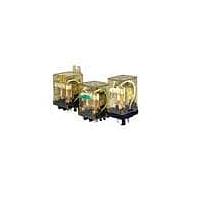
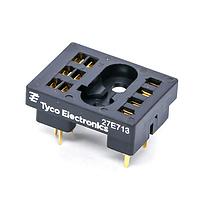
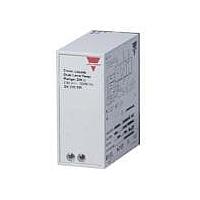
Relay Sockets & Hardware
In relay-based control systems, the small mechanical parts around the relay often have a big impact on installation quality, serviceability, and long-term reliability. Choosing the right Relay Sockets & Hardware helps simplify wiring, speed up replacement, and create cleaner panel layouts in industrial automation, machine building, and maintenance applications.
This category focuses on the supporting components used with relays in practical installations. Rather than treating sockets and mounting hardware as minor accessories, it makes more sense to view them as part of the overall relay interface between the control circuit, field wiring, and the panel environment.
Why relay sockets and hardware matter in real installations
A relay may be the switching element, but the socket and mounting arrangement determine how easily that relay can be integrated into a working system. In many control cabinets, technicians need fast replacement, consistent terminal access, and secure mounting under vibration or frequent servicing. A suitable socket can reduce wiring errors and make maintenance much more efficient.
Hardware also contributes to overall panel organization. Mounting clips, retaining parts, and compatible connection interfaces help keep devices stable and properly positioned. This is especially useful where multiple relays are installed side by side and where downtime caused by manual rewiring would be costly.
What is typically included in this category
Relay sockets are designed to provide a physical and electrical interface between the relay and the system wiring. Depending on the application, they may be selected for DIN rail installation, panel mounting, or other enclosure arrangements. The main goal is to allow the relay to be inserted, removed, or replaced without disturbing the full wiring structure.
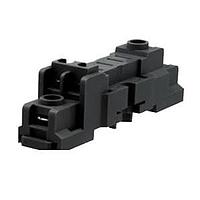
Relay hardware generally covers the supporting parts that complete the installation. This can include mounting and retention components, mechanical accessories, and related interface parts used to secure or organize the relay assembly. In many industrial environments, these details are important for reducing service time and maintaining a neat, traceable control layout.
Selection considerations for relay sockets and mounting accessories
The first step is compatibility. The socket must match the relay form factor, terminal arrangement, and intended mounting method. In practice, engineers and buyers usually review not only the relay itself, but also how the relay will be wired, replaced, labeled, and accessed during maintenance. A socket that fits mechanically but complicates field wiring may not be the best choice for the application.
Electrical and environmental conditions should also be considered. Current level, switching duty, installation density, and cabinet conditions can all influence the preferred setup. Where systems involve specialized relay types, it may be helpful to review related categories such as low signal relay options or RF relays, since socket and hardware requirements may vary depending on the relay family and use case.
Common application environments
Relay sockets and hardware are widely used in industrial control panels, OEM machinery, process control assemblies, and building automation systems. In these environments, service teams often need to replace relays quickly while minimizing interruption to connected wiring. A socket-based approach supports that need by separating installation wiring from the relay replacement process.
They are also relevant in systems that require organized modular construction. When relays are grouped by function, mounted on rails, and clearly terminated, troubleshooting becomes faster and documentation is easier to follow. This is one reason sockets and accessories remain a practical choice even when the relay itself is relatively small or inexpensive.
How this category fits into the broader relay ecosystem
Relay sockets and hardware are closely tied to the surrounding relay architecture. In some systems, users may compare socket-based electromechanical relay installations with solid state relay solutions, especially when evaluating switching speed, lifetime, noise, or maintenance strategy. The right category depends on the control method, load characteristics, and service expectations.
For applications involving machine safety or monitored shutdown logic, relay installation requirements may differ from general-purpose control. In that context, it can be useful to also explore safety relay products, where device architecture and application intent are more specialized. This helps buyers distinguish standard mounting accessories from solutions used in dedicated protection circuits.
Manufacturers commonly associated with relay connectivity and interface components
Several established manufacturers in industrial connectivity and control are relevant when sourcing relay interface components and related hardware. Brands such as AMP Connectors - TE Connectivity, Amphenol, Molex, Eaton, Honeywell, and Littelfuse are widely recognized across industrial electrical and interconnect applications. Availability within a project often depends on compatibility, preferred sourcing standards, and the broader design platform already used in the panel.
For many buyers, manufacturer preference is less about brand visibility and more about fit within an existing engineering workflow. Consistent mounting practices, familiar terminal styles, and reliable supply continuity can all be practical reasons to align relay accessories with trusted industrial suppliers.
What to look for when buying for maintenance or new design
For maintenance purchases, the priority is usually replacement compatibility. That means checking the existing relay footprint, mounting style, and wiring arrangement before selecting a socket or hardware set. Even when two parts appear similar, differences in terminal layout or retention method can affect installation time and long-term usability.
For new designs, it helps to think beyond the relay itself. Consider how often replacement may be needed, how accessible the cabinet will be, and whether future expansion is likely. A well-chosen socket and hardware approach can support cleaner assembly, easier documentation, and a more maintainable control system over time.
Conclusion
Relay sockets and hardware play a practical role in turning relay selection into a usable, serviceable installation. They support structured wiring, easier replacement, and better panel organization across many industrial applications. When chosen with compatibility, maintenance access, and system layout in mind, these components can improve both day-to-day operation and long-term support of relay-based control systems.
Get exclusive volume discounts, bulk pricing updates, and new product alerts delivered directly to your inbox.
By subscribing, you agree to our Terms of Service and Privacy Policy.
Direct access to our certified experts