PPE Safety Equipment / Lockout Tagout
Protecting people, isolating hazardous energy, and maintaining safe work routines are core requirements in industrial environments. On pages focused on PPE Safety Equipment / Lockout Tagout, buyers are usually looking for practical products that support day-to-day protection as well as maintenance safety, inspection readiness, and compliance-driven work practices.
This category brings together equipment used to reduce exposure to workplace hazards and support safer intervention around machinery, process systems, filtration setups, and task-specific operations. It is especially relevant for maintenance teams, plant engineers, EHS personnel, and procurement teams that need dependable safety supplies for both routine use and controlled shutdown activities.
Where PPE and lockout tagout fit in industrial operations
Personal protective equipment and lockout tagout products address different layers of risk control, but they are often used together in real facilities. PPE helps reduce worker exposure during tasks such as sanding, painting, filtration maintenance, welding, or handling process equipment, while lockout tagout procedures help ensure machines and energy sources are isolated before servicing begins.
In many plants, safety performance depends on using the right protective gear at the point of work and pairing it with clear hazardous energy control practices. Teams that also review broader machine protection measures may compare this category with solutions such as safety relay devices when building a more complete safety system.
Typical product roles within this category
The product mix in this category can span disposable and reusable protective items, respiratory protection, head protection, and related components used around filtration or process systems. Some items are worn directly by personnel, while others support the safe operation or maintenance of installed equipment.
For example, respirator options such as the 3M Paint Sanding Valved Respirator 8511P1-C-PS, the 3M Sanding and Fiberglass Respirator 8200H20-DC, and the 3M Half Facepiece Disposable Respirator Assembly 5103 are suited to task-based exposure control where airborne particulates, vapors, or job-specific contaminants may be a concern. Head protection products such as the Hard Hats H-806V-UV also support routine work in active industrial areas where impact protection and site rules matter.
Examples from the current range
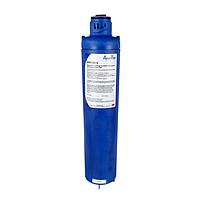
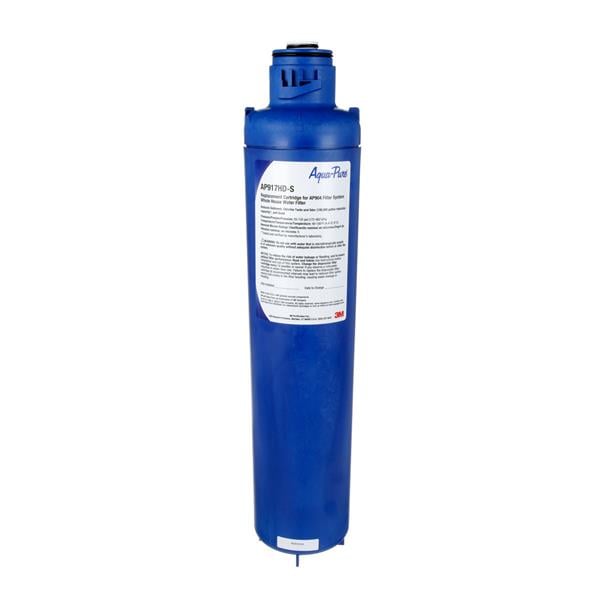
Several listed products show how broad this category can be. Beyond wearable PPE, there are process-oriented items such as 3M Betafine PEG Series filter cartridges, 3M Betafine DP Series filter cartridges, and 3M Zeta Plus BC Series encapsulated disposable filter capsules. These products are not substitutes for personal protective gear, but they are relevant in facilities where safe filtration handling, replacement, and system servicing form part of the overall safety workflow.
Supporting parts also appear in this type of catalog. A component such as the 3M Parts, Gasket Kit 3423941 for liquid filters illustrates how maintenance-related accessories can contribute to safer and more reliable service tasks when replacing or sealing filtration assemblies. If you want to explore a wider brand portfolio in this area, the range from 3M Electronic Specialty is a natural place to start.
How to choose the right safety equipment
The best selection process starts with the hazard type, not with a product name alone. Procurement and safety teams should first clarify whether the risk involves airborne particles, chemical vapor exposure, impact hazards, welding-related visibility issues, or maintenance access to energized systems. That context helps narrow the choice between respiratory protection, head protection, replacement parts, or lockout-related items.
It is also useful to consider how frequently the item will be used and whether it is intended for single-task consumption, routine stock, or planned maintenance shutdowns. In facilities with mixed risk profiles, this category may sit alongside labels and industrial warning signs to support clearer procedures, area marking, and communication around restricted or hazardous work zones.
Selection factors for maintenance, EHS, and purchasing teams
For B2B buyers, the decision is usually less about a single item and more about creating a workable safety supply strategy. Teams often evaluate compatibility with the task, fit with site procedures, replacement frequency, packaging quantity, and whether the item supports a wider maintenance or shutdown plan.
For instance, a disposable respirator may be suitable for short-duration particulate-related work, while a different facepiece configuration may be preferred where gas or vapor exposure is part of the job. Filtration cartridges and capsules may be selected based on process needs, but they also influence maintenance handling, service intervals, and the protective measures workers need during changeout. Where machine access risk is part of the job, users may also review safety light curtains as part of a broader safeguarding approach.
Why this category matters beyond basic PPE purchasing
Industrial safety buying is rarely limited to stocking gloves, masks, or helmets. In practice, teams need a category structure that reflects how work is actually performed: production runs, inspection rounds, filter replacement, shutdown maintenance, troubleshooting, and repair. That is why a combined focus on worker protection and lockout tagout makes sense for many industrial buyers.
This approach also helps reduce fragmented purchasing. Instead of sourcing unrelated items from multiple places, buyers can review equipment relevant to respiratory protection, head protection, maintenance accessories, and adjacent safety needs in one place. For operations that require additional site-level products, related options under other industrial safety protections can help round out the overall safety program.
Practical use cases across industrial environments
In fabrication and finishing areas, respirators and welding-related protective items may be needed to support tasks that generate dust, fumes, or visual hazards. In process plants and liquid handling systems, filter cartridges, disposable capsules, and sealing parts can become safety-relevant during maintenance because technicians need to remove, replace, and secure components without unnecessary exposure or leakage risk.
Warehouses, utilities, and production lines also benefit from a structured approach to PPE and energy isolation. Whether the job involves scheduled service or an unplanned intervention, having the right category mix available supports faster response, safer procedures, and more consistent purchasing across teams and sites.
Final considerations when browsing this category
Choosing from a PPE and lockout tagout range is ultimately about matching the product to the task, the hazard, and the maintenance context. A respirator, hard hat, filter capsule, or replacement gasket each serves a different purpose, but all can contribute to a safer and more controlled industrial workflow when applied correctly.
As you review the available items, focus on the operational use case, the type of exposure or intervention involved, and how each product fits into your plant’s safety procedures. That makes it easier to build a practical, scalable safety inventory rather than simply purchasing items by name alone.
Get exclusive volume discounts, bulk pricing updates, and new product alerts delivered directly to your inbox.
By subscribing, you agree to our Terms of Service and Privacy Policy.
Direct access to our certified experts