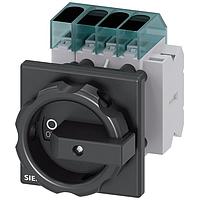
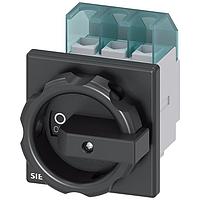
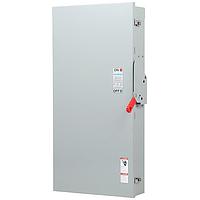
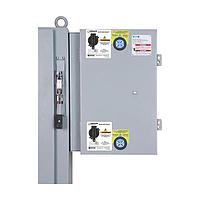
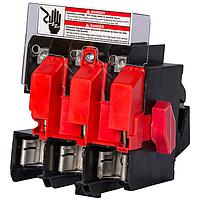
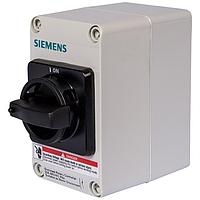
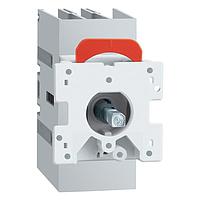
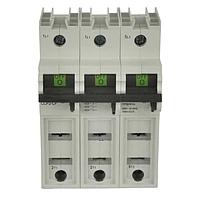
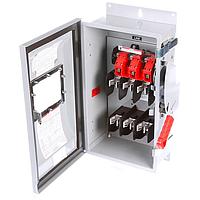
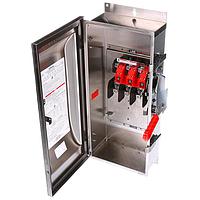
Disconnect Switches
Safe isolation is a basic requirement in industrial power distribution, machine maintenance, and panel building. When technicians need to de-energize a circuit before service, inspection, or replacement work, a reliable switching device helps separate equipment from the power source in a clear and controlled way.
Disconnect switches are commonly used for this purpose across industrial installations. On category pages like this, buyers are often comparing switch types, installation needs, and application fit rather than looking for a single generic part, so it helps to understand where these devices sit within a broader switching and protection strategy.
Where disconnect switches fit in industrial systems
In practical terms, a disconnect switch is used to isolate electrical equipment from incoming power so maintenance can be performed more safely and with better visibility of system status. They are widely considered in motor circuits, control panels, machinery power feeds, and other installations where operators need a defined means of electrical isolation.
Within industrial switching products, disconnect switches serve a different role from operator interface devices or emergency controls. For example, applications that require rapid operator shutdown at a machine access point may also involve emergency stop switches, while power isolation is handled separately through a disconnecting device chosen for the circuit and installation method.
Common applications and selection priorities
Selection usually starts with the electrical and mechanical context of the installation. Buyers may be evaluating disconnect switches for control enclosures, local machine isolation, branch circuit separation, or service access points where equipment must be clearly taken offline before work begins.
Important considerations often include the intended mounting arrangement, how frequently the device will be operated, space constraints inside the panel or enclosure, and whether the switch needs to support lockout-oriented maintenance procedures. In many projects, the disconnect switch is not chosen in isolation, but as part of a coordinated design that includes protection, wiring, terminations, and operator controls.
How they differ from other industrial switch categories
Although many products fall under industrial switching, their functions are not interchangeable. A disconnect switch is focused on power isolation, while devices such as control switches are more closely tied to command functions like start, stop, mode selection, or manual actuation inside a control scheme.
Likewise, some systems use dedicated hardware for specific safety or line-management tasks. In conveyor or long-line applications, engineers may review cable pull switches for emergency actuation over a distance, whereas disconnect switches remain the preferred choice when the requirement is to physically isolate power to a section of equipment or a machine.
Key factors when choosing a disconnect switch
A good specification process typically looks at more than just the switch label. The first step is matching the device to the electrical duty of the system, including the type of load being isolated and the way the switch will be used during normal service and maintenance. This helps avoid underspecifying a component that may face demanding operating conditions in the field.
It is also important to think about the broader installation environment. Panel builders and maintenance teams often assess enclosure integration, handle accessibility, mechanical robustness, and compatibility with the rest of the electrical architecture. In larger projects, sourcing decisions may also be influenced by preferred manufacturers, standardization across facilities, and support for established maintenance practices.
Manufacturer options for industrial sourcing
For many B2B buyers, manufacturer preference matters because it affects availability, documentation, and consistency across existing equipment fleets. Brands such as Eaton are often part of industrial power and switching discussions, especially in projects where panel hardware and electrical distribution components need to align with broader site standards.
Depending on the design context, procurement teams may also work with suppliers known across interconnect, protection, and industrial electronics ecosystems, including AMP Connectors - TE Connectivity, Bourns, Burndy, Eaton Bussmann, and other established names shown in this catalog structure. The right choice depends less on brand repetition and more on fit for the application, documentation needs, and consistency with the rest of the build.
Integration with panel design and maintenance workflows
Disconnect switches are often evaluated as part of a wider panel safety and serviceability strategy. A well-planned layout makes it easier for operators and technicians to identify isolation points, follow maintenance procedures, and reduce ambiguity during shutdowns or service interventions.
This is especially relevant in OEM machinery, process skids, and facility panels where multiple switching functions may coexist. A disconnect switch may be paired conceptually with operator controls, circuit protection, and clearly labeled isolation points so the complete assembly supports both daily operation and maintenance access without unnecessary complexity.
Choosing the right category for your requirement
If your main requirement is to isolate electrical power to equipment for servicing, maintenance, or local shutoff, this category is the logical place to start. If your project instead involves operator command inputs, RF signal routing, or emergency line actuation, a different switch family may be more appropriate, such as coaxial switches for signal-path applications or other industrial switch types depending on the task.
Reviewing the application first usually saves time: identify whether the goal is isolation, control, emergency stopping, or signal switching, then compare products within the relevant category. That approach leads to cleaner specifications and a more reliable procurement process.
Final considerations
When comparing disconnect switches, the most useful approach is to focus on application logic rather than product lists alone. Think about where the device will be installed, what kind of circuit it needs to isolate, how maintenance will be performed, and how the switch fits into the broader safety and control design.
For industrial buyers, that combination of electrical suitability, installation practicality, and supplier consistency is usually what leads to a better long-term choice. This category is intended to support that process by helping you narrow down suitable options for safe and effective electrical isolation in industrial environments.
Get exclusive volume discounts, bulk pricing updates, and new product alerts delivered directly to your inbox.
By subscribing, you agree to our Terms of Service and Privacy Policy.
Direct access to our certified experts