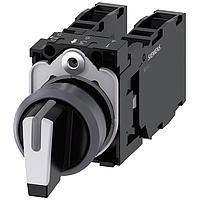
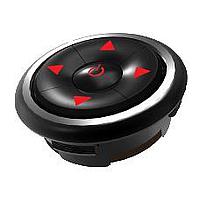
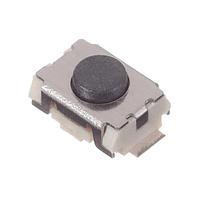
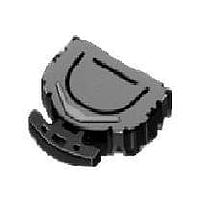
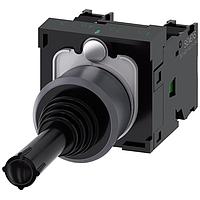
MultiDirectional Switches
Precise directional input matters in many control interfaces, especially where operators need fast, intuitive movement through menus, machine functions, or electronic controls. MultiDirectional Switches are commonly selected for applications that require input in more than one direction from a compact interface, helping designers combine functionality and space efficiency in a single control component.
Within industrial and electronic systems, this switch category is relevant wherever a user must navigate, select, adjust, or confirm actions with minimal panel space. That can include operator panels, embedded devices, instrumentation interfaces, industrial control assemblies, and custom equipment where tactile feedback and directional control are both important.
What multi-directional switches are used for
A multi-directional switch is designed to register movement in several directions, typically to support navigation or control from one actuator point. In practical terms, this helps simplify the human-machine interface by reducing the need for multiple separate buttons while still giving the operator clear control over movement and selection.
These switches are often considered when the design goal is to improve interface density without making operation overly complex. In compact control panels, handheld equipment, and menu-driven devices, they can support a more streamlined front-panel layout while preserving responsive manual input.
Where they fit in industrial and electronic control design
In B2B sourcing and engineering environments, component selection is rarely based on a single specification. Buyers and designers usually need to balance panel space, operating feel, mounting constraints, expected duty cycle, and the overall logic of the control system. Multi-directional input can be especially useful where movement across settings, modes, or parameter screens needs to be quick and repeatable.
Compared with simple one-function actuators, this category supports more complex user interaction from a single physical point. That makes it relevant in control consoles, instrument front ends, portable electronics used in industrial settings, and custom assemblies where ergonomics and compact design both matter.
Key considerations when selecting a suitable switch
When evaluating options in this category, the first step is to define how the switch will be used in the application. Direction count, actuation feel, mechanical durability, and integration with the surrounding interface all influence the right choice. It is also important to consider whether the switch is part of a navigation function, a machine control input, or a user-interface element in a programmable device.
Electrical and mechanical compatibility should be reviewed together. Engineers typically look at mounting style, actuator form, operating force, and expected environmental conditions before finalizing a part. In many projects, the most suitable product is not simply the smallest one, but the one that fits the operating context and helps deliver reliable operator input over time.
- Available panel or PCB space
- Required directional actions and user feedback
- Expected operating frequency and service life
- Integration with enclosure, HMI, or controller design
- Environmental exposure such as dust, vibration, or repeated handling
Relationship to other industrial switch types
Multi-directional switches serve a specific interface role, but they are often used alongside other switching devices in the same system. For example, a navigation input may be combined with control switches for dedicated machine commands, or with emergency stop devices where operator safety requires a clearly separate and highly visible action.
In broader machine layouts, they may also complement isolating or maintenance-related hardware such as disconnect switches. This distinction is important: a multi-directional switch is generally chosen for interface logic and directional actuation, not as a replacement for safety isolation, emergency shutdown, or other application-specific switching functions.
Common manufacturer ecosystems in this category
Buyers searching this category often compare products from established switch and control-component brands. Depending on the application, sourcing teams may review options from C&K, SIEMENS, APEM, Alps Alpine, Crouzet, E-Switch, Grayhill, IDEC, Diptronics, and other recognized manufacturers represented in industrial and electronic control markets.
Brand selection usually depends on the project environment rather than name recognition alone. Some applications prioritize integration into industrial automation platforms, while others focus more on compact interface design, tactile response, or suitability for embedded electronic equipment. For that reason, comparing form factor, operating concept, and installation constraints is often more useful than comparing brands in isolation.
How buyers and engineers can narrow the shortlist
For purchasing teams, a practical way to evaluate this category is to start with the control task itself. Consider whether the switch will be used by an operator wearing gloves, mounted on a crowded front panel, integrated into a smaller HMI, or installed in equipment exposed to vibration or repeated use. These real-world conditions often narrow the shortlist faster than broad product browsing.
It is also helpful to confirm whether a directional switch should be the primary input device or part of a wider interface set. In some designs, combining this category with dedicated functions such as cable pull switches or other application-specific controls creates a clearer and safer operating layout. The right selection depends on how the operator interacts with the machine or device in day-to-day use.
Choosing with the application in mind
The most effective selection process begins with the intended user interaction, then works back to mechanical and electrical requirements. A well-chosen multi-directional switch can improve usability, reduce front-panel complexity, and support more intuitive control in compact industrial or electronic systems.
When reviewing available options, focus on fit for purpose: interface logic, mounting constraints, environmental conditions, and the role the switch plays within the larger control architecture. That approach makes it easier to identify multi-directional switch solutions that support dependable operation and a cleaner overall design.
Get exclusive volume discounts, bulk pricing updates, and new product alerts delivered directly to your inbox.
By subscribing, you agree to our Terms of Service and Privacy Policy.
Direct access to our certified experts