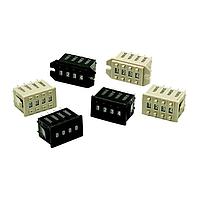
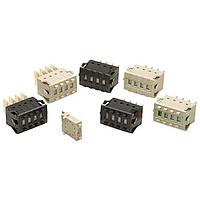
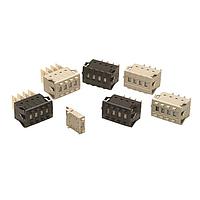
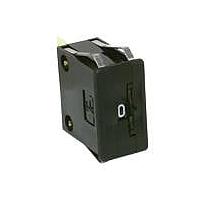
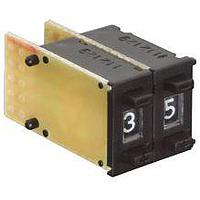
Thumbwheel & Pushwheel Switches
When operators need a simple way to enter numeric values directly on a panel, mechanical coding switches remain a practical choice. Thumbwheel & Pushwheel Switches are widely used where fast manual setting, clear digit display, and dependable switching are more important than a touchscreen or software interface.
These switches are commonly selected for equipment that requires repeatable decimal or coded input at the machine level. In industrial and electronic assemblies, they help simplify local configuration, test setup, and operator-adjustable settings without adding unnecessary interface complexity.
Where thumbwheel and pushwheel switches fit in industrial systems
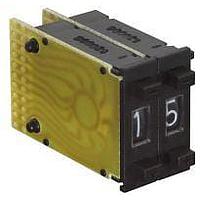
Thumbwheel and pushwheel devices are compact electromechanical switches designed to let users select numbers or coded positions manually. They are often mounted on control panels, enclosures, instruments, and test fixtures, where a visible setting needs to be changed quickly and retained without relying on software menus.
Compared with general control switches, this category is more specialized for numeric or positional input. Instead of simply turning a function on or off, these components are typically chosen for applications such as address selection, parameter setting, channel assignment, or configuration of basic machine functions.
Typical applications and user intent
In many B2B environments, the requirement is not just switching, but manual value selection with a compact footprint. That is why these products are often considered in industrial control panels, legacy equipment upgrades, bench test systems, communication devices, and instrumentation where operators need direct physical input.
They can also be useful in equipment that must remain easy to service in the field. A technician can read and adjust the selected value directly on the front panel, which can reduce setup time and make maintenance more straightforward, especially in systems where digital displays are not necessary.
Common selection factors
Choosing the right model usually starts with the mechanical and electrical integration requirements. Buyers often compare mounting style, actuation format, number of positions, panel layout, and the type of output needed by the downstream circuit or controller.
For example, some listed TE Connectivity parts such as the TE Connectivity 1-1437601-8 and TE Connectivity 2-1437603-0 are specified for panel mount use, which is an important detail when building operator interfaces or replacing existing panel hardware. Contact construction and environmental suitability can also matter when the switch is used in demanding industrial conditions.
Product examples within this category
This category includes switch bodies as well as supporting accessories used in a complete assembly. Representative examples include TE Connectivity thumb switch models such as 2-1437602-6, 3-1437601-2, 4-1437603-7, 2-1437602-9, and 4-1437603-6, along with related components like the 3-1437602-1 switch spacer and the 1437603-2 EM SWIT.
That mix is important for engineers and buyers because a working panel solution may involve more than the main switch itself. Accessories such as spacers can support installation, alignment, or layout consistency across multi-digit assemblies, while the switch variants help address different mechanical or circuit design needs.
Manufacturers commonly considered
Several established brands are relevant in this segment, depending on application and preferred interface style. Buyers often start with names such as TE Connectivity, C&K, OMRON, APEM, Crouzet, and Amphenol Piher when comparing industrial switching solutions.
Within the products highlighted here, TE Connectivity is especially visible, including Alcoswitch-related options in the broader portfolio. For sourcing teams, this can be useful when standardizing on a familiar manufacturer or when matching a replacement part to an existing assembly design.
How these switches compare with other industrial switch types
Thumbwheel and pushwheel switches serve a very different purpose from safety or isolation devices. If the application is focused on emergency machine stopping, a dedicated solution from the emergency stop switches category is more appropriate. If the objective is circuit isolation, disconnect hardware belongs in a different selection process altogether.
Likewise, these products are not intended for specialized signal routing applications such as RF path selection, which would fall under coaxial switching. Their strength lies in human-readable mechanical input, especially where a compact, stable, and easy-to-read setting method is required on the equipment front panel.
Practical buying considerations for OEMs and maintenance teams
For OEM design work, it helps to confirm whether the switch will be used as a one-time configuration element, a frequent operator control, or a service adjustment point. That affects both the preferred actuation style and the expected mechanical durability of the interface over the product lifecycle.
For maintenance, repair, and retrofit projects, matching the physical format of the installed component is often just as important as matching the switching function. Panel cutout compatibility, visible digit format, spacing between adjacent switches, and accessory requirements should all be reviewed before ordering replacements or planning a redesign.
Choosing with more confidence
A good selection process starts with the actual operator task: what value needs to be set, how often it changes, and how the switch will be mounted and wired into the system. From there, comparing product families and specific models becomes much easier, especially when the design calls for a clear front-panel setting method rather than a software-driven interface.
For applications that need compact, reliable, and straightforward manual code entry, Thumbwheel & Pushwheel Switches remain a practical category to explore. Reviewing the available TE Connectivity options and comparing them with other industrial switch manufacturers can help narrow the right fit for both new equipment builds and replacement requirements.
Get exclusive volume discounts, bulk pricing updates, and new product alerts delivered directly to your inbox.
By subscribing, you agree to our Terms of Service and Privacy Policy.
Direct access to our certified experts