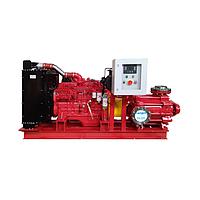
Fire pump
Reliable water delivery is a critical part of any fire protection system, especially in industrial plants, commercial buildings, utilities, and infrastructure projects where stable pressure and fast response matter. Choosing the right fire pump setup is not only about matching flow and pressure requirements, but also about understanding the operating environment, power source, and the role of each pump type within the wider fire safety system.
This category brings together fire pump solutions used to supply, maintain, or boost water pressure for firefighting duty. From electric and diesel-driven units to vertical multi-stage designs and pressure stabilization equipment, the range supports different installation constraints and protection strategies across B2B applications.
Where fire pumps are typically used
Fire pumps are commonly specified when the available water supply cannot provide enough pressure or flow for sprinkler systems, hydrant networks, hose reels, or dedicated fire water lines. In practice, they are used in factories, warehouses, process plants, high-rise buildings, logistics hubs, and utility facilities where fire protection performance must remain dependable under demanding conditions.
System design often depends on whether the site needs a main duty pump, a standby pump, or a jockey-style pressure maintenance solution. In many projects, fire pumps work alongside related equipment such as a pump control panel to support monitoring, start logic, and coordinated operation.
Main fire pump configurations in this category
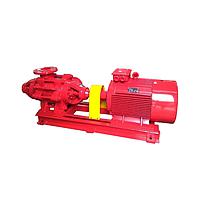
This selection includes both electric and diesel engine driven models, which gives buyers flexibility when planning for different power availability and redundancy requirements. Electric units are often selected where stable power is available and compact system integration is preferred, while diesel-driven sets are commonly considered for backup or independent operation.
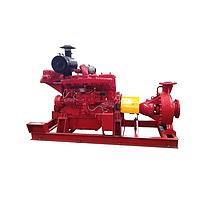
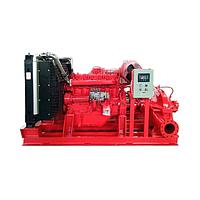
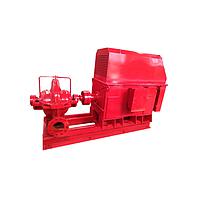
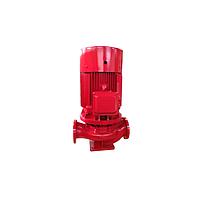
Examples in this category include the Bangpu XBD-D Electric fire-fighting pump, the Bangpu XBC-D Diesel engine fire-fighting pump, and the Bangpu XBC-BPO Diesel engine fire-fighting pump. These products illustrate the typical decision path in fire protection pumping: define the required flow range, identify the pressure target, and then align the driver type with site conditions and operational priorities.
Single-stage and multi-stage options for different pressure needs
Not all fire pump applications demand the same hydraulic profile. Single-stage designs are often used where the system requires substantial flow with straightforward pressure performance, while multi-stage pumps are relevant when higher discharge pressure or more vertical lift is needed within a compact footprint.
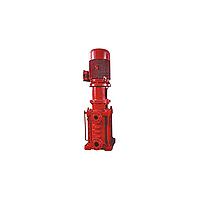
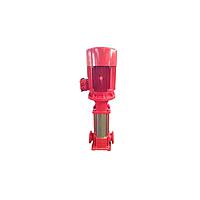
For example, the Bangpu XBD-BPW Single stage and single suction fire-fighting pump and the Bangpu XBD-BPO Fire-fighting pump represent configurations suited to broad-duty water delivery across a wide capacity range. Where pressure demands are higher or installation space is tighter, vertical multi-stage options such as the Bangpu XBD-GDL Vertical multi-stage fire-fighting pump and Bangpu XBD-DL Vertical multi-stage fire-fighting pump can be more appropriate. This distinction is important when sizing a system for actual building height, pipe loss, and terminal device requirements.
Electric vs diesel-driven fire pumps
One of the most practical selection points is the choice between electric-driven and diesel-driven fire pumps. Electric pumps are typically favored for clean installation, straightforward integration, and continuous readiness when the electrical infrastructure is reliable. They are often suitable for sites where emergency power arrangements and control systems are already in place.
Diesel-driven models, such as the Bangpu XBC-IS Diesel engine fire-fighting pump and Bangpu XBC-D Diesel engine fire-fighting pump, are relevant when independent drive capability is needed. In some facilities, they are used as part of redundancy planning so that fire water supply remains available even if normal electrical power is interrupted. Buyers comparing options in this category may also review the broader Bangpu product range for consistency across pump families and supporting equipment.
Supporting equipment for stable system performance
A complete fire water system usually includes more than a main pump. Pressure stabilization and water supply support equipment can play an important role in reducing unnecessary starts, maintaining line pressure, and improving operational stability during standby conditions.
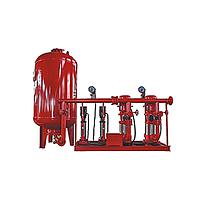
The Bangpu WBP Pressurized and stabilized water supply equipment is a good example of how auxiliary devices fit into the broader system. Rather than replacing the main fire pump, this type of equipment supports system pressure management and helps the overall installation respond more smoothly to pressure fluctuations or minor demand events.
How to choose the right fire pump for a project
Selection should begin with the application rather than the model name. Buyers typically review required flow rate, discharge pressure, water source conditions, installation layout, available power, and expected duty philosophy. Even within one category, there can be a meaningful difference between a compact vertical multi-stage pump and a larger diesel-driven main firefighting set.
It is also useful to think about the system as an integrated package. A project may require the main duty pump, standby capacity, control hardware, and related water supply equipment to work together. If your application sits between standard building services and more demanding site conditions, browsing adjacent pump categories such as construction pump solutions or chemical process pump options can help clarify how fire-duty requirements differ from general transfer or process pumping.
Typical specification points buyers compare
On a category page like this, technical comparison usually focuses on several practical factors: flow range, head or pressure range, allowable medium temperature, and maximum working pressure. These values help narrow the shortlist, but they should always be interpreted in the context of the complete fire protection design rather than as isolated numbers.
Several Bangpu models in this category cover wide capacity and pressure ranges, including solutions intended for moderate flow and compact installations as well as larger-duty systems with higher output. That makes the category useful for engineers, contractors, and procurement teams who need to compare pump forms without losing sight of the real application: dependable firefighting water delivery when the system is called upon.
Finding a suitable solution within this category
Whether the requirement is an electric main unit, a diesel standby set, a vertical multi-stage pump for pressure-focused duty, or support equipment for stabilized water supply, this category is structured to help users compare the most relevant configurations. The listed products provide a practical starting point for matching hydraulic requirements, installation conditions, and system architecture.
For B2B sourcing, the best choice is usually the one that fits the full protection scheme rather than the broadest specification on paper. Reviewing the available fire pump types, driver options, and supporting equipment together will make it easier to identify a solution aligned with your project's fire water demand, operating logic, and site constraints.
Get exclusive volume discounts, bulk pricing updates, and new product alerts delivered directly to your inbox.
By subscribing, you agree to our Terms of Service and Privacy Policy.
Direct access to our certified experts