Construction Pump
Reliable fluid handling is a basic requirement on construction sites, whether the job involves temporary water transfer, circulation in building services, pressure boosting, or drainage support. Choosing the right Construction Pump helps maintain stable flow, protect connected equipment, and keep installation or site operations running with fewer interruptions.
In practice, construction applications often demand pumps that can handle varying flow rates, changing head requirements, and installation conditions that are not always ideal. This category brings together centrifugal pump solutions suitable for construction-related duties, with options that can support everything from general water movement to pipeline circulation and pressure-oriented applications.
Where construction pumps are commonly used
Construction environments rarely rely on one pump type for every task. A project may need water transfer for general site services, pressure support for building systems, or circulation pumps for HVAC and utility installations. That is why pump selection usually starts with the operating point, installation layout, and the type of liquid being moved.
Within construction and building services, these pumps are often considered for clean water transfer, circulation loops, booster duties, and pipeline-based installations. When the process medium or operating conditions become more aggressive, a more specialized solution such as a chemical process pump may be more appropriate than a general construction-oriented pump.
Main pump configurations in this category
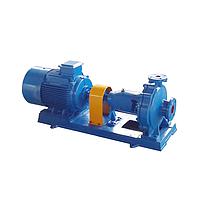
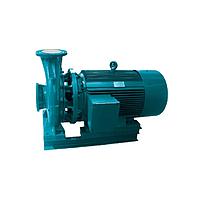
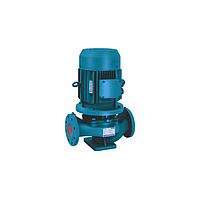
Most products highlighted here are based on centrifugal pump principles, but their construction differs depending on space constraints, pressure needs, and maintenance preferences. Horizontal single-stage designs are commonly chosen where footprint and accessibility allow straightforward installation. Vertical single-stage pumps are often useful when a more compact in-line or space-saving arrangement is preferred.
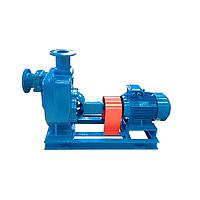
For applications that need higher pressure at lower to medium flow rates, multi-stage pumps are often a practical choice. Self-priming designs can also be useful where suction conditions are less convenient and quick restart capability matters. The right configuration depends less on appearance and more on how the pump curve matches the system requirement.
Representative Bangpu pump options for construction use
Bangpu is one of the key manufacturers represented in this category, with several pump types that fit common construction and building-service scenarios. For broad-duty transfer and circulation, the Bangpu BPL Vertical single-stage centrifugal pump and Bangpu BPW Horizontal single-stage centrifugal pumps cover a wide performance range and are suitable starting points when flow and head vary by project.
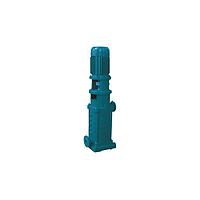
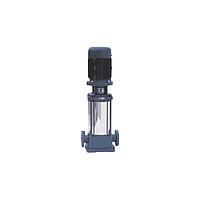
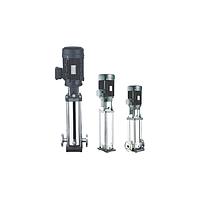
Where higher discharge pressure is needed, models such as the Bangpu BPG Vertical stainless steel multi-stage pump, Bangpu GDL Multi-stage pipline centrifugal pump, and Bangpu DL Vertical multi-stage centrifugal pump illustrate the kind of solutions typically selected for pressure boosting or vertical distribution systems. For applications that benefit from easier priming behavior, the Bangpu ZX Self-priming centrifugal pump offers another useful configuration, while the Bangpu IS End Suction Pump reflects a common format for general-purpose water handling.
How to choose the right construction pump
The first step is to define the required flow rate and head. A pump with excessive capacity may waste energy or create unstable operation, while an undersized pump can struggle to maintain process demand. It is also important to consider fluid temperature, suction conditions, pipe losses, and whether the pump will run continuously or only during peak demand periods.
Installation style matters just as much. Vertical pumps can help reduce floor space and may fit well in mechanical rooms or compact utility areas. Horizontal pumps are often preferred where servicing access is easier and piping layout allows it. If the system requires automated operation, alarm logic, or motor protection, pairing the pump with a suitable pump control panel can improve both reliability and operational visibility.
Single-stage vs. multi-stage in construction projects
A single-stage pump is typically selected for moderate head duties with simpler hydraulic requirements. These pumps are widely used for circulation, transfer, and general building water movement where the system does not demand a large pressure increase. They are often easier to integrate into straightforward piping networks and can be a sensible option for standard site services.
Multi-stage pumps are more suitable when the system must overcome higher vertical lift or deliver stronger outlet pressure. In taller buildings, pressure boosting loops, and some mechanical service installations, a multi-stage design may provide a better match than a standard single-stage unit. If the priority is emergency standby water movement rather than general construction duty, reviewing a dedicated fire pump category may be the better route.
Operating considerations on active job sites
Construction sites introduce practical challenges that affect pump performance, including unstable power conditions, temporary pipework, frequent start-stop cycles, and changing system layouts as the project progresses. A pump that performs well on paper still needs to be installed with proper suction piping, adequate protection against dry running, and enough access for inspection and service.
It is also important to think about the fluid itself. While many construction pump applications involve relatively clean water, some jobs may include suspended solids, debris risk, or chemical exposure from treatment processes. In those cases, pump material compatibility and application fit should be reviewed carefully rather than assuming a standard centrifugal model will suit every duty.
Integration with broader construction and utility systems
Construction pumps are rarely standalone assets. They usually operate as part of a larger site or building system that may include tanks, valves, pressure sensors, control panels, and downstream equipment. Looking at the full hydraulic system helps avoid problems such as poor pressure stability, excessive cycling, or mismatch between the pump and actual operating demand.
On some projects, pumps in this category may support temporary works, while on others they become part of permanent building infrastructure. For heavy-duty water movement associated with site drainage or high-volume project support, users may also compare solutions in the construction pump range against more application-specific categories depending on the final operating condition.
Finding a practical fit for your application
This category is best approached by matching pump type to the real job: required flow, required pressure, installation constraints, and the nature of the liquid being handled. Options such as vertical single-stage, horizontal single-stage, self-priming, and multi-stage pumps each serve different construction and building-service needs, so selection should focus on system fit rather than product format alone.
By reviewing representative Bangpu models and comparing them against the operating conditions of your site or facility, it becomes easier to narrow down a suitable solution for transfer, circulation, or pressure-boosting work. A well-matched construction pump supports stable operation today and reduces avoidable redesign or maintenance issues later in the project lifecycle.
Get exclusive volume discounts, bulk pricing updates, and new product alerts delivered directly to your inbox.
By subscribing, you agree to our Terms of Service and Privacy Policy.
Direct access to our certified experts