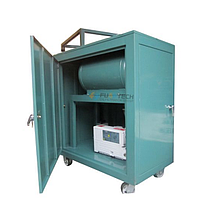
Pump
Moving liquids or gases reliably is a basic requirement in many industrial systems, from utility support equipment to pressure generation and process handling. Choosing the right Pump category is not only about moving media from one point to another; it also affects pressure stability, flow performance, maintenance planning, and overall system efficiency.
On this page, buyers and technical users can explore pump solutions used across industrial environments, including compact transfer pumps and high-pressure gas booster pumps. The category also connects naturally with supporting equipment such as compressed air treatment equipment and thermal management systems like industrial water cooler / chiller, depending on the application.
Where pump systems fit in industrial applications
Pumps appear in a wide range of operating conditions: low-volume utility transfer, circulation, pressure boosting, gas charging, and equipment support. In practical terms, the correct selection depends on the medium, required outlet pressure, expected flow, connection size, duty cycle, and the surrounding installation environment.
Within this broader category, some products are intended for straightforward fluid handling, while others are designed for high-pressure gas boosting in testing, charging, or process setups. That difference matters because liquid pumps and gas booster pumps follow different sizing logic, safety considerations, and performance expectations.
Typical product types found in this category
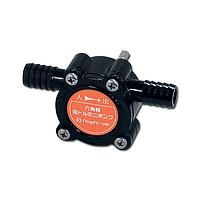
This category covers more than one pump role. A compact example is the Niigata Seiki RDP-01 MINI PUMP, a lightweight transfer solution suited to simple water-moving tasks where portability and ease of use are important. Its small form factor makes it relevant for workshop, maintenance, and light-duty utility work rather than continuous heavy industrial service.
At the other end of the range are pneumatic gas booster pumps from Senwell. Models such as the Senwell GBX15/100, GBX15/60, GBT15/120, and GBT7/25 illustrate how booster pumps are selected by boost ratio, inlet pressure range, outlet pressure target, and flow characteristics. These pumps are typically chosen when users need controlled pressure multiplication using an available air supply.
Understanding gas booster pumps in industrial use
A gas booster pump uses compressed air as the driving source to raise gas pressure to a higher level than the original inlet condition. This makes it useful in applications where plant air is available and higher gas pressure is needed for system charging, pressure testing, or specialized process functions.
For example, the Senwell GBX15/40 and GBT15/40 represent mid-range pressure boosting options, while the GBX15/100 and GBT15/120 are aimed at much higher outlet pressure requirements. Selection should not rely on pressure rating alone. Users also need to look at gas inlet conditions, desired outlet pressure, and whether the process values higher flow or higher pressure multiplication.
How to choose the right pump for your requirement
The most effective starting point is the working medium. Water transfer, utility circulation, and high-pressure gas boosting are fundamentally different duties, so they should not be grouped under the same selection logic. Media compatibility, operating pressure, and installation method all influence which pump type is appropriate.
Next, review the required performance window. For simple fluid transfer, practical factors such as connection size, portability, and expected flow may be enough. For booster applications, buyers should compare boost ratio, acceptable inlet pressure range, and maximum outlet pressure. A unit like the Senwell GBX7/15 may suit lower pressure duties with higher flow expectations, while models such as the GBT15/100 or GBT15/120 fit more demanding pressure targets.
It is also helpful to evaluate the surrounding system. If a booster pump depends on stable compressed air quality, the performance of upstream air preparation can directly affect reliability, which is why related categories such as air treatment equipment may become part of the full solution. In installations where heat management matters, cooling support can also be relevant.
Brand landscape and example solutions
Several manufacturers appear within the broader pump ecosystem, each relevant to different use cases. Niigata Seiki is represented here by a compact mini pump format that suits practical transfer tasks, while Senwell stands out in this category through a clear range of air-driven gas booster pumps with multiple pressure classes.
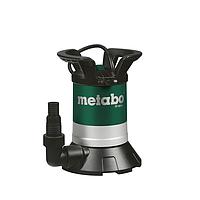
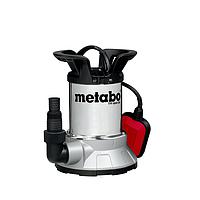
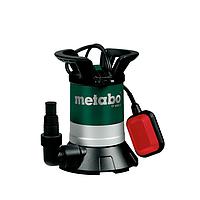
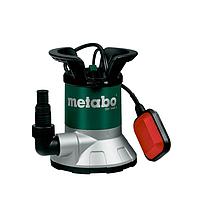
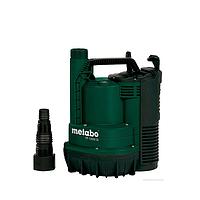
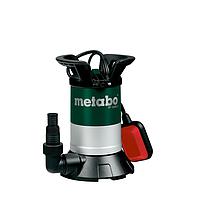
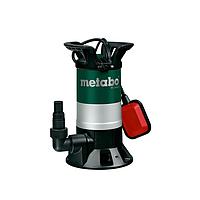
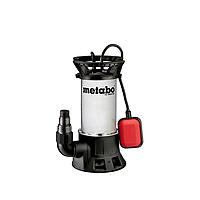
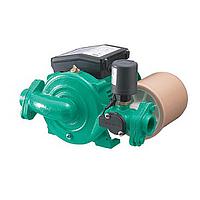
Other listed brands such as METABO, Wilo, Eijkelkamp, and Hokaido help indicate the wider industrial context around pump sourcing and application needs. Rather than selecting by brand name alone, technical buyers usually compare pump principle, media type, pressure requirement, maintenance access, and integration with the rest of the system.
Why pressure, flow, and connections matter
In industrial purchasing, a pump that “works” is not always a pump that works well in the application. Outlet pressure determines whether the pump can reach the operating target, while flow rate affects how quickly the task is completed and whether the process remains stable. Connection standards also matter because they influence installation effort, leakage risk, and compatibility with existing piping or gas lines.
The Senwell models in this category show why these details should be reviewed together. Some versions provide higher flow at lower maximum pressure, while others trade flow for substantially higher pressure capability. Similarly, the compact Niigata Seiki unit is more relevant for light transfer duty than for systems requiring continuous high-pressure performance.
Buying considerations for maintenance teams and B2B sourcing
For maintenance, engineering, and procurement teams, pump selection is often tied to lifecycle thinking rather than one-time purchase cost. Ease of installation, availability of compatible fittings, required utilities, and expected operating frequency all influence total ownership value. This is especially true for pneumatic booster systems, where air supply quality and control strategy may affect long-term reliability.
It can also be useful to review adjacent equipment categories during planning. For example, some industrial setups combine pumps with cooling equipment, while others are part of broader machinery lines. If the project involves process utilities around packaging or production support, related machinery such as heat shrinking machines may sit within the same procurement scope even though the pump serves a supporting role.
Finding a suitable pump solution
This pump category supports a broad range of industrial needs, from portable liquid transfer to pressure boosting for gas applications. The right choice depends on matching pump type to the medium, pressure range, flow target, and installation context rather than focusing on a single headline specification.
If you are comparing options, start by narrowing the application: fluid transfer, circulation, or gas pressure amplification. From there, it becomes easier to assess whether a compact model like the Niigata Seiki RDP-01 or a high-pressure Senwell booster configuration is the better fit for your system and operating requirements.
Get exclusive volume discounts, bulk pricing updates, and new product alerts delivered directly to your inbox.
By subscribing, you agree to our Terms of Service and Privacy Policy.
Direct access to our certified experts