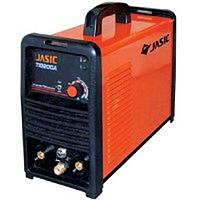
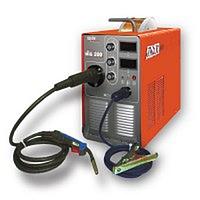
Welding machines
Fabrication, repair, maintenance, and metalworking all depend on choosing equipment that matches the job, the material, and the working environment. This is where Welding machines become a central part of an industrial setup, from light workshop tasks to continuous production work. A well-structured category page helps buyers compare common welding processes, understand typical use cases, and identify suitable equipment without getting lost in overly technical details.
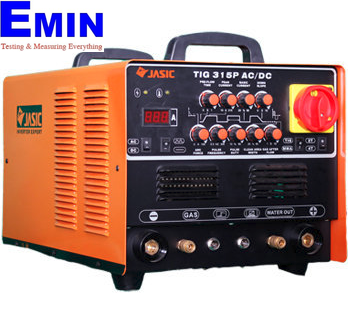
Where welding equipment fits in industrial operations
Welding is used across steel fabrication, equipment repair, structural assembly, sheet metal work, and general maintenance. Depending on the process, the machine may be optimized for manual electrode welding, TIG work, plasma cutting, spot joining, or heavier transformer-based applications. The right choice is usually determined by material thickness, required weld quality, portability, available input power, and expected duty cycle.
In many facilities, welding is not a standalone process. It often operates alongside support systems such as industrial water chillers for thermal control in broader production environments, especially where heat-generating equipment and continuous operation are involved. Looking at welding equipment as part of a larger manufacturing workflow usually leads to better purchasing decisions.
Common welding and cutting needs covered in this category
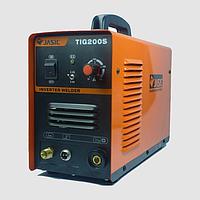
This category spans multiple process types rather than a single machine style. For buyers, that matters because a compact inverter welder for field repair solves a very different problem than a transformer unit intended for heavier shop use. Some users need flexible equipment for routine electrode welding, while others focus on cleaner welds, thin materials, or cutting applications.
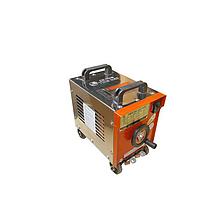
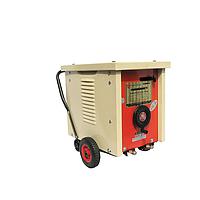
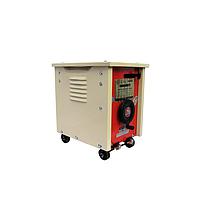
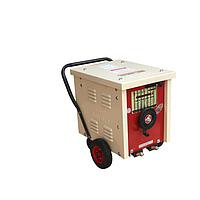
For metal separation and prep work, a plasma cutter such as the Honda ZO-95 Plasma Cutter can be relevant where fast cutting performance is needed before welding or assembly. For more conventional welding tasks, models such as the Hồng Ký HK200N Welding machine, HONG KY HK 200Z Welding Machine, and Hồng Ký SR 200R Welding machine illustrate the type of compact equipment commonly selected for day-to-day workshop use.
How to choose the right welding machine
The first selection factor is the welding process. Manual arc welding remains a practical choice for maintenance, construction, and general fabrication because the equipment is straightforward and versatile. TIG-related equipment is often preferred when cleaner, more controlled welds are required, especially on thinner or more demanding materials. Spot or press-based solutions are better suited to repeated joining tasks in sheet metal applications.
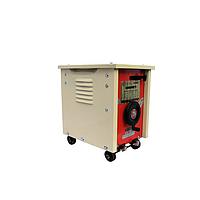
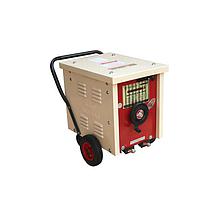
The second factor is output range and workload. Machines such as the Hồng Ký HK 250A Welding machine (20-250A) or Hồng Ký HK300A WELDING MACHINE are better aligned with users who need broader current flexibility for varied tasks. Heavier units like the Hồng Ký HK H350D Welding transformers and Hồng Ký HK H500D Welding Transformers fit applications where robust output and transformer-based operation are more important than portability.
It is also important to consider the available power supply, electrode size range, and whether the machine will be moved frequently. A lightweight machine can simplify installation and field service work, while larger stationary equipment may be more suitable for production lines or fixed workstations.
Examples of equipment and accessories in the welding ecosystem
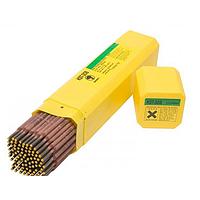
A practical category should not focus only on power sources. Accessories and consumables also influence weld quality, operator efficiency, and process continuity. For instance, the Telwin ST26 TIG Soldering item is presented as an accessory for TIG-related work, which highlights the importance of supporting components in maintaining a complete welding setup.
Likewise, the JBC C210033 Soldering Tip represents a more specialized consumable role within broader joining and rework environments. While it is not a welding power source, it reflects how many industrial buyers source both main equipment and related tools together. If your requirement extends beyond core machines, it may also be useful to review compressed air treatment equipment where workshop infrastructure and pneumatic support systems are part of the same operating environment.
Leading manufacturers commonly considered by buyers
Brand preference in welding equipment is often based on familiarity with a process, local service expectations, and compatibility with existing workflows. In this category, buyers may encounter established names such as Hồng Ký, Telwin, Honda, JBC, HAKKO, GYS, YATO, CEA, Aczet, and Oshima. Each brand may be more relevant in a different context, whether the need is for welding equipment, cutting equipment, or supporting tools.
Among the listed products, Hồng Ký stands out in the available examples with a broad spread of machine types, including inverter-style welders, transformer models, and press-related equipment such as the Hong Ky HK-HB10KB Welders electronic press. That kind of range can be useful for buyers who want consistency in sourcing while still covering different operational needs.
Selection by workshop scale and application type
For maintenance teams, mobile technicians, and small fabrication shops, compact welders are usually favored because they are easier to transport and quicker to deploy. Machines in the lower to mid output range are often sufficient for repair work, light steel fabrication, brackets, gates, frames, and general-purpose welding. In these cases, the balance between portability, usable current range, and ease of operation matters more than maximum output alone.
For larger fabrication environments, the priority shifts toward stable output, heavier-duty construction, and suitability for prolonged operation. Transformer-based units and specialized process machines are more likely to be considered where consistent production throughput is required. If your workflow also includes downstream packaging or thermal processing, related categories such as heat shrinking machines may become relevant in a wider production line context.
What to review before placing an order
Before shortlisting equipment, it helps to confirm the base material, thickness range, type of joint, and expected frequency of use. Buyers should also check whether the task is occasional repair, repeated workshop production, or a more specialized industrial joining process. That distinction will usually narrow the choice faster than comparing product names alone.
It is also worth reviewing whether the machine is the main unit or a supporting item. In this category, some listings are complete welding machines, some are transformer-based systems, and others are accessories or cutting tools. Understanding that difference prevents under-specifying or over-specifying the purchase and helps align the product with real operating requirements.
Finding a better fit for your welding workflow
A useful welding category should help buyers move from a broad requirement to a realistic shortlist. Whether the need is a portable arc welder, a transformer-based unit for heavier work, a plasma cutting solution, or supporting TIG and soldering accessories, the key is to match the equipment to process needs rather than choosing by price or output number alone.
By comparing application type, power requirements, and equipment role within the workshop, buyers can identify a more suitable solution for fabrication, repair, or production use. This category is designed to support that process with a mix of core machines, process-specific options, and related accessories from recognized industrial brands.
Get exclusive volume discounts, bulk pricing updates, and new product alerts delivered directly to your inbox.
By subscribing, you agree to our Terms of Service and Privacy Policy.
Direct access to our certified experts