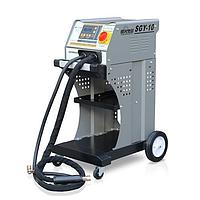
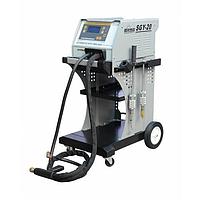
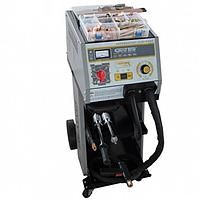
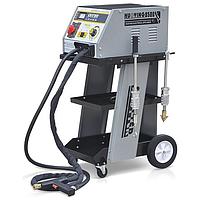
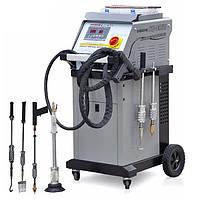
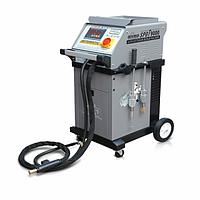
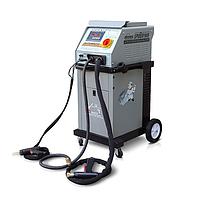
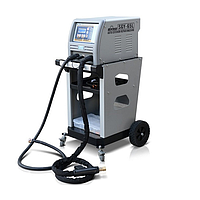
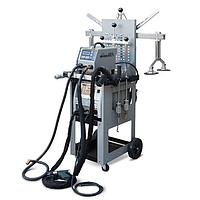
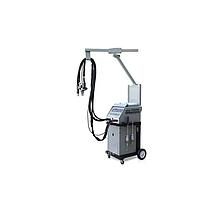
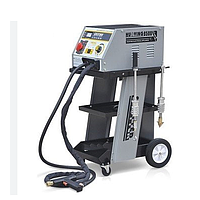
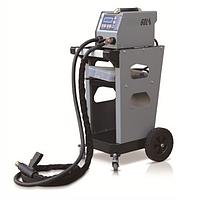
Corrugated iron welding machine
Joining thin sheet metal reliably takes more than raw power. In repair workshops, metal fabrication, and bodywork applications, the right equipment needs to deliver controlled heat, repeatable weld timing, and enough current for fast work without damaging surrounding material. That is why choosing a corrugated iron welding machine often comes down to the balance between welding capacity, operating mode, and the type of sheet or panel being processed.
This product category is intended for buyers who need equipment for sheet metal welding tasks where precision and stable output matter. Depending on the job, users may look for compact systems for lighter work or higher-current machines for thicker material and more demanding repair cycles.
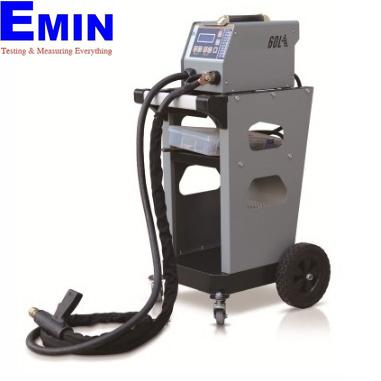
Where corrugated iron welding machines are typically used
Machines in this category are commonly considered for applications involving thin metal sheet joining, panel repair, localized welding, and related workshop tasks. In practice, buyers often compare current output, input power, and timing control to match the machine with the thickness and work frequency expected in their shop.
For operations that regularly handle sheet steel, repair panels, or similar metal surfaces, stable weld performance helps reduce rework and improve consistency from one weld point to the next. In environments where different welding methods may be used side by side, it can also be useful to compare this category with a spot welding machine range when the application is focused on fast, localized joining.
What to look for when selecting a machine
The first point is welding current. Higher maximum current generally supports more demanding sheet metal work, but output alone is not the full story. Input voltage, power rating, weld timing range, and whether the machine is suited to continuous operation all affect real-world usability.
Another important factor is material thickness. Some machines in this category are better aligned with one-side welding on thinner sheets, while others support heavier work and broader operating conditions. If your production or repair process involves several welding methods in one station, it may also make sense to review a multi-function welding machine for wider process flexibility.
KOCU models commonly referenced in this category
KOCU is the main manufacturer highlighted in this category, with several machines suited to sheet metal and workshop-oriented welding tasks. Rather than choosing by model name alone, it is better to compare the practical differences in output level, electrical requirements, and intended workload.
For example, the KOCU FY-8000 WELDING MACHINE and KOCU FY-9000 WELDING MACHINE are relevant options for users working with thin sheet applications and controlled weld timing. For heavier-duty requirements, the KOCU FY-9900 WELDING MACHINE stands out with a substantially higher maximum welding current and support for thicker workpieces, making it more suitable where higher output is needed across repeated welding cycles.
Buyers looking for professional shop equipment may also consider the KOCU FY-9018 PROFESSIONAL SPOT WELDING MACHINE or KOCU FY-9028 PROFESSIONAL SPOT WELDING MACHINE, especially when workflow depends on fast setup and consistent operation under workshop air and power conditions. These references help illustrate the range available within the category without suggesting that every application requires the same machine size or specification level.
Key technical considerations for B2B buyers
When comparing machines for procurement, focus on the parameters that directly affect installation and production planning. These usually include input voltage, power consumption, maximum welding current, weld timing adjustment, and any pneumatic requirements where applicable. In a commercial environment, those details matter just as much as welding performance because they affect site readiness, operator workflow, and serviceability.
Duty pattern and operating stability should also be reviewed carefully. A machine intended for intermittent repair work may not be the same choice as one used in a higher-throughput metalworking line. Cable length, included accessories, and supported welding modes can influence daily usability, especially in workshops where the operator needs freedom of movement around large panels or repair surfaces.
How this category fits into a broader welding setup
Corrugated iron welding machines are often part of a wider workshop ecosystem rather than a standalone purchasing decision. Some facilities combine sheet-focused welding equipment with other process types depending on material form, weld geometry, and job-site requirements. For cutting and edge preparation before joining, many buyers also review plasma cutter options as part of the same equipment planning process.
In other cases, projects may call for different power structures or welding methods altogether. If your process is closer to conventional transformer-based joining, a transformer welding machine category may provide a more relevant comparison. Looking at adjacent equipment types helps ensure the final selection matches the real application rather than only the headline specification.
Practical buying guidance for workshops and industrial users
A good starting point is to define the actual workpiece range: sheet thickness, weld frequency, available power supply, and whether the machine will be used mainly for repair or repeated production work. Once these points are clear, it becomes easier to narrow the shortlist between lighter-capacity models and more powerful units designed for tougher operating conditions.
It is also useful to think beyond the machine itself. Workshop layout, compressed air availability, operator experience, and maintenance expectations all influence long-term value. In B2B purchasing, the most suitable machine is usually the one that fits the process reliably, not simply the model with the highest stated output.
Conclusion
This category supports buyers looking for dependable equipment for sheet metal and panel-oriented welding work, with KOCU models providing several reference points across different output levels. By comparing welding current, power requirements, timing control, and intended workload, purchasers can identify a machine that aligns more closely with their operating environment and application needs.
If you are evaluating options for repair, fabrication, or workshop installation, use this category as a practical starting point to compare machine capability, shop compatibility, and adjacent welding technologies before making a final selection.
Get exclusive volume discounts, bulk pricing updates, and new product alerts delivered directly to your inbox.
By subscribing, you agree to our Terms of Service and Privacy Policy.
Direct access to our certified experts