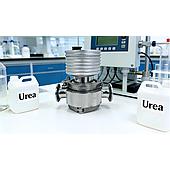
Concentration control is an important part of quality management in process environments involving zinc oxide and potassium oxide. When concentration changes are not identified promptly, operators may have less visibility into process conditions and product consistency. Inline refractometers provide a continuous measurement approach that can help teams observe concentration-related changes directly in a process line or vessel.
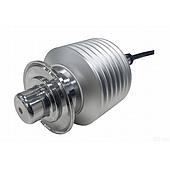
Unlike workflows that rely on collecting samples for later evaluation, an inline instrument is installed at the measurement point. This makes it relevant where process teams need ongoing data to support production monitoring, operational adjustments, and quality-control decisions. The available application information describes CHNSpec inline refractometers, including the CRN50/52/56 series, for these concentration-monitoring scenarios.
How inline refractometers support concentration monitoring
An inline refractometer works from the relationship between a medium's refractive index and its concentration. Light is directed into the measured liquid, and an optical sensor detects the resulting refraction behavior. The instrument's processing system then converts this signal into displayed values using material parameters and concentration-curve correction.
For zinc oxide and potassium oxide applications, the reported output can include concentration, refractive index, and temperature. This combination gives process personnel a more complete view of the measurement condition than a concentration reading alone. Temperature is especially relevant because changing process temperatures can influence refractive-index measurements.
The source information describes multi-point temperature compensation and concentration-curve correction as part of the instrument's data processing. These functions are intended to support stable monitoring when process temperature varies. Before using any refractometer for a specific medium, the concentration model and calibration approach should be aligned with the actual process requirements.
Installation considerations for process lines and tanks
Production systems may use different pipe diameters, tank configurations, flow conditions, and connection standards. An effective monitoring solution must fit the available installation location without creating unnecessary changes to the production setup.
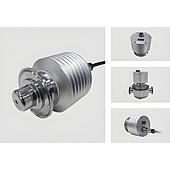
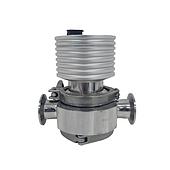
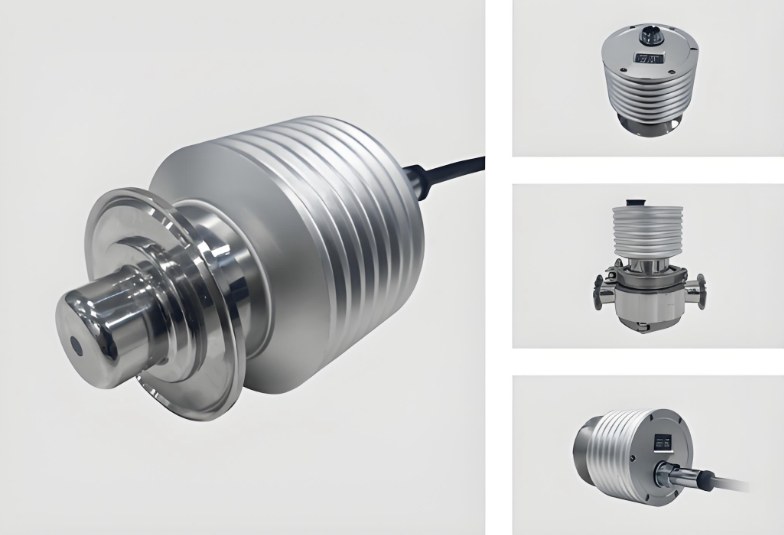
The CRN50/52/56 series is described as supporting installation arrangements for pipelines and tanks, with compact clamps or flanges in different specifications. The available information also refers to small-diameter installation adapters and tee pipes for applicable setups. These options can help a team evaluate where the sensor should be placed within an existing process.
Installation planning should consider access for inspection, the process connection, and the operating conditions at the chosen measurement point. The source notes that pressure and flow can fluctuate during production. Reviewing these conditions in advance helps determine whether the selected installation arrangement is appropriate for the process.
Data stability and on-site adjustment
Continuous concentration monitoring is most useful when the measurement remains consistent over time. The available product information states that the refractometers use optical detection, temperature compensation, and real-time correction mechanisms to support data output under changing operating conditions.
On-site refractive-index calibration and adjustment are also described. This can be useful when a process requires an application-specific concentration model or when operating teams need to check measurement alignment during long-term operation. For zinc oxide and potassium oxide systems, a model tailored to the actual material and process conditions can be more meaningful than relying on a generic setting.
It is important to treat an inline reading as part of a documented control process. Teams should define how readings will be reviewed, when calibration checks are required, and which values trigger investigation or process action. This creates a clearer connection between instrument data and day-to-day quality procedures.
Materials, maintenance, and operating practicality
The source describes SS316L and sapphire as wetted materials for these inline refractometers. It also states that some models may be available with PTFE or Hastelloy for media-specific requirements. Material selection should be assessed against the actual process medium and operating environment.
Other reported practical features include probe-status self-diagnosis, no additional reagent consumables, low power consumption, and a long probe light-source lifetime. A self-diagnosis function may help maintenance personnel identify a potential issue more quickly, while avoiding reagent consumables can simplify routine operation.
For facilities evaluating inline refractometers, the key questions are whether the instrument can be installed at the right process point, whether its measurement model can be established for the application, and whether its wetted materials suit the medium. With these factors reviewed, inline refractometers can provide a structured way to monitor zinc oxide and potassium oxide concentration trends continuously.
Selecting a monitoring approach
Inline refractometers are suited to processes where continuous refractive-index-based measurement can support concentration visibility. The CHNSpec CRN50/52/56 series is presented for applications requiring flexible installation, temperature-related compensation, on-site adjustment, and industrially oriented wetted-material options. Final suitability should be evaluated against the specific medium, concentration range, installation configuration, and process-control practices.