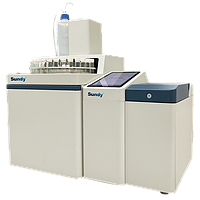
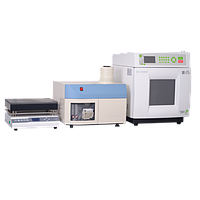
Elemental Analyzer
Reliable elemental data is central to modern laboratory control, whether the goal is fuel quality verification, raw material evaluation, environmental compliance, or process optimization. In many industrial and research settings, the right Elemental Analyzer helps teams quantify sulfur, carbon, mercury, arsenic, halogens, and related parameters with the consistency needed for routine testing and traceable reporting.
This category brings together instruments designed for elemental determination across solid, liquid, and in some cases gas samples. The range is especially relevant for laboratories working with coal, oil, cement, minerals, chemicals, and other materials where composition directly affects product quality, emissions, handling, and regulatory requirements.
Where elemental analyzers are used
Elemental analysis is not limited to one industry. It is widely used in power generation, mining, petrochemical operations, building materials, environmental laboratories, and quality control departments that need dependable data on key elements or compounds. Depending on the application, the focus may be rapid sulfur screening, carbon and sulfur determination, trace mercury testing, or halogen analysis after combustion.
These systems are often selected when laboratories need to align with recognized test methods such as ISO, ASTM, IEC, or GB/T standards. In practice, that means supporting routine workflows where reproducibility, throughput, and result comparability matter as much as raw measuring range.
Typical analyzer types in this category
The category covers several analytical methods rather than one single instrument format. Coulomb titration systems are commonly used for sulfur determination in materials such as coal, oil, and cement. Infrared absorption platforms support sulfur or combined carbon and sulfur analysis, often with faster test cycles and options for higher throughput.
For broader elemental testing, combustion ion chromatography systems are used for halogens and sulfur, especially where fluorine, chlorine, bromine, iodine, or sulfur must be measured from complex samples. Dedicated mercury, arsenic, phosphorus, or fluorine and chlorine analyzers are also relevant when laboratories need targeted analysis for a specific compliance or quality parameter.
If your lab setup also depends on sample preparation or handling tools, related laboratory items such as blending equipment or material handling carts and trolleys may support a more efficient workflow around the analyzer itself.
Representative instruments from Sundy
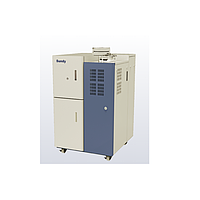
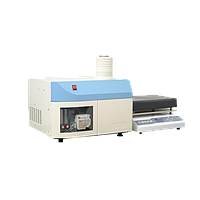
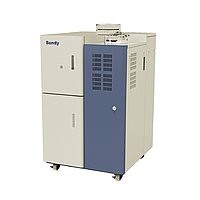
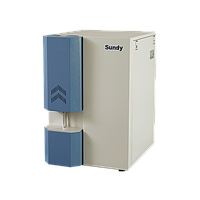
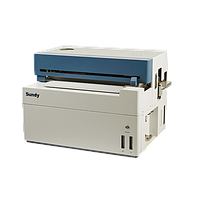
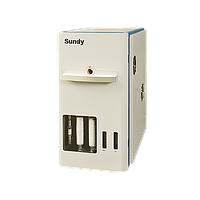
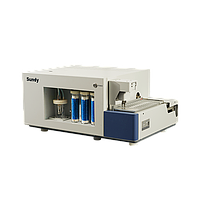
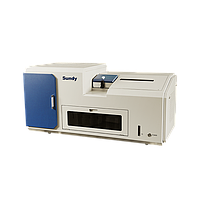
This category includes instruments from Sundy, with a portfolio that covers both routine and more specialized elemental testing tasks. For sulfur analysis, examples include the Sundy SDS-V, SDS720, and SDS1200 coulomb sulfur analyzers, which are suited to laboratories comparing manual versus automatic sample introduction and different throughput needs.
For infrared-based measurement, the Sundy SDIS401 and SDIS450 focus on sulfur determination, while the Sundy SDICS450 extends the workflow to combined carbon and sulfur analysis. Laboratories working in metallurgical or high-temperature applications may also consider the Sundy SDHFCS1000 high-frequency infrared carbon and sulfur analyzer.
Where multi-element capability is important, the Sundy SDCHNS636 supports carbon, hydrogen, nitrogen, and sulfur analysis. For more specialized testing, the lineup also includes the Sundy SDHg3000 mercury analyzer, the Sundy SDAP3000 mercury and arsenic analyzer, the Sundy SDFCl3000 fluorine and chlorine analyzer, and the Sundy SDXNS200H combustion ion chromatography system for halogens and sulfur.
How to choose the right elemental analyzer
A practical starting point is the target element and the matrix being tested. Coal, coke, petroleum products, cement, metals, and chemical materials do not always require the same analytical route. Some labs need a dedicated sulfur analyzer for fast routine work, while others need a broader platform that can handle carbon and sulfur together or extend into CHNS analysis.
The next factor is sample throughput. If the lab runs only a small number of samples each shift, a manual-loading configuration may be acceptable. For higher-volume environments, automatic sample loading can reduce operator intervention and improve day-to-day efficiency, especially when repeated sulfur or carbon-sulfur testing is part of standard production control.
It is also important to review the required standards, expected detection range, analysis time, gas requirements, and operating conditions. For example, some systems rely on oxygen, nitrogen, argon, helium, or air depending on the method, and these utility requirements can affect installation planning and long-term operating cost.
Method and workflow considerations
Different methods serve different priorities. Coulomb titration is often selected for sulfur determination where established standard methods and routine operation are key. Infrared absorption systems can be attractive when faster analysis is needed, particularly for laboratories managing larger batches of solid samples.
Combustion-based systems paired with ion chromatography are useful when labs must measure halogens and sulfur across diverse sample types. Dedicated mercury or arsenic analyzers, on the other hand, are more suitable when trace-level toxic element monitoring is a defined requirement rather than part of a broad screening workflow.
Beyond the core measurement principle, buyers should consider software environment, reporting functions, preheating time, furnace temperature stability, autosampler capacity, and whether the instrument fits the lab’s validation and reporting process. These details often determine how well an analyzer performs in everyday operation, not just during initial installation.
Building a complete lab workflow around the analyzer
An elemental analyzer rarely works in isolation. Sample preparation, transfer, decomposition, combustion, gas supply, and result documentation all influence the final quality of the data. In busy laboratories, seemingly simple supporting items such as burners and torches or protective laboratory apparel can also play a role in safe and repeatable daily operation.
For that reason, selecting the right analyzer should include a broader view of the testing workflow: sample type, operator skill level, maintenance expectations, consumables, and reporting needs. A well-matched system helps reduce retesting, supports method compliance, and improves confidence in production or research decisions.
What to compare before ordering
When narrowing down options in this category, compare instruments based on a few practical questions:
- Which element or set of elements must be measured routinely?
- Are your samples solid, liquid, gas, or a mix of matrices?
- Do you need manual operation or higher-throughput autosampling?
- Which standards or internal methods must the instrument support?
- How important are analysis speed, reporting features, and utility requirements?
These questions help distinguish whether a dedicated sulfur instrument, a combined carbon-sulfur system, a CHNS platform, or a specialized mercury, arsenic, or halogen analyzer is the better fit. The goal is not simply to buy a machine with a broad range, but to choose a system aligned with real sample load and testing objectives.
Finding the right fit for your application
This Elemental Analyzer category is intended for laboratories that need dependable elemental measurement across a wide range of industrial and analytical tasks. From sulfur and carbon determination to mercury, arsenic, fluorine, chlorine, and multi-element CHNS workflows, the available instruments support different balances of precision, throughput, and specialization.
If you are evaluating options, focus first on the element to be measured, the sample matrix, the applicable standard method, and the expected daily workload. That approach makes it easier to identify an analyzer that fits both current testing demands and future laboratory expansion.
Get exclusive volume discounts, bulk pricing updates, and new product alerts delivered directly to your inbox.
By subscribing, you agree to our Terms of Service and Privacy Policy.
Direct access to our certified experts