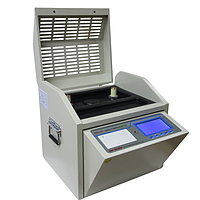
Analyzer of oil products quality
In petroleum laboratories, blending facilities, fuel depots, and maintenance environments, fast and reliable quality verification is essential for making decisions with less uncertainty. When teams need to assess fuel condition, lubricant health, or key oil properties without building a full test workflow from scratch, analyzers of oil products quality provide a practical starting point for screening, comparison, and routine control.
This category brings together instruments used to evaluate important characteristics of petroleum products and lubricants, including octane and cetane related parameters, sulfur content, oxidation stability, viscosity behavior, low-temperature performance, and used oil condition. The result is a flexible equipment range suited to both laboratory analysis and field-oriented checks, depending on the testing task.
Where these analyzers fit in oil and fuel testing workflows
Quality control for oil products often involves more than one measurement method. A refinery, service lab, distributor, or industrial user may need to verify whether a fuel meets target specifications, compare incoming and outgoing batches, or monitor lubricant degradation during operation. Instruments in this category help cover those checkpoints with focused tests rather than broad, generic inspection.
Some devices are designed for quick property estimation in portable form, while others support bench-top laboratory procedures with tighter control over test conditions. If your work spans a wider range of petroleum analysis, it can also be useful to review the broader fuels testing range for complementary methods and supporting equipment.
Main measurement tasks covered by this category
The scope of this category is broad because oil product quality is assessed through several different performance indicators. Depending on the application, users may focus on fuel ignition quality, sulfur monitoring, oxidation resistance, flow behavior at low temperature, or lubricant condition trends. Each instrument type supports a different decision point in production, storage, transport, or maintenance.
Typical testing needs represented here include:
- Octane and cetane evaluation for gasoline and diesel screening
- Sulfur-in-oil analysis for fuel quality and compliance-related checks
- Density, kinematic viscosity, and viscosity index assessment for petroleum products and lubricants
- Low-temperature characteristics such as cloud-related or flow-limitation behavior
- Oxidation stability for gasoline condition assessment
- Used oil analysis to track lubricant degradation and contamination trends
Representative instruments and practical use cases
For lubricant condition monitoring, the Anton Paar Lyza 7000 Used Oil Package FTIR Oil Analysis is a strong example of how infrared analysis can support faster interpretation of used oil changes. In practice, this type of system is relevant when teams want to monitor degradation patterns, compare samples over time, and export data for maintenance or laboratory records.
For fuel-focused screening, several Samyon instruments illustrate the range of dedicated test functions available in this category. The Samyon 17040 X-ray Fluorescence Sulfur-in-Oil Analyzer addresses sulfur measurement, while the Samyon 1884B handles density, kinematic viscosity, and viscosity index tasks. The Samyon 8018D-1 is aimed at gasoline oxidation stability, and the QX-G or QX-D models are suitable when octane and cetane related evaluation is part of routine fuel checking.
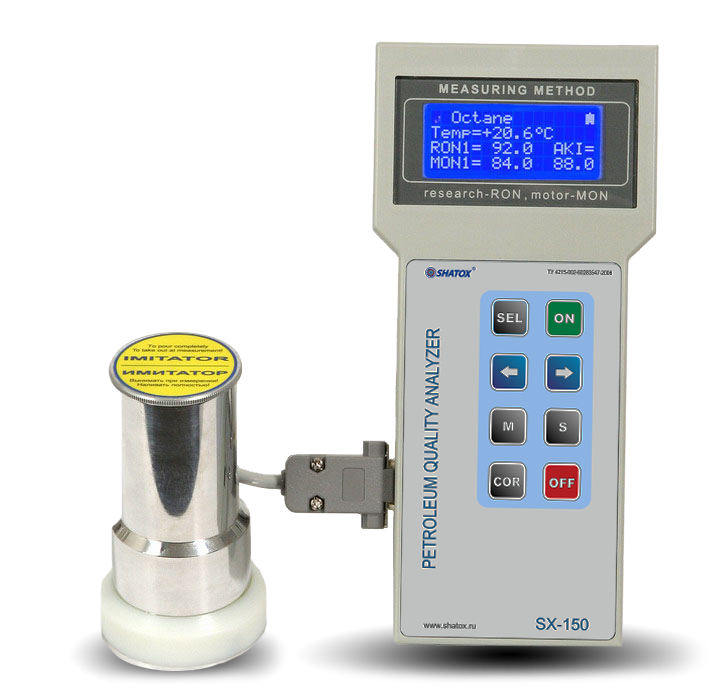
Portable analysis is especially relevant when measurements must be taken near storage, transfer, or field operation points. In that context, models such as the Shatox SX-300, SX-250, and SX-150 offer a compact approach to octane/cetane-oriented checks, while the Shatox OPLCM is aligned with low-temperature behavior assessment for oil products.
How to choose the right analyzer
The best selection process starts with the actual property you need to measure, not with the form factor alone. A sulfur analyzer, a viscosity tester, and an octane/cetane analyzer solve very different problems, so the first step is to define whether your workflow is about compliance verification, incoming goods inspection, production adjustment, or condition-based maintenance.
It also helps to consider the testing environment. Portable analyzers are useful when speed and mobility matter, especially for preliminary checks or on-site decisions. Bench-top instruments are often more appropriate when repeatable laboratory setup, sample preparation, and controlled procedures are required. Measurement time, sample volume, operating conditions, and data export needs can all influence which system is the better fit.
Another practical factor is whether you need a single-purpose instrument or a broader multi-parameter workflow. For example, a lab working with lubricants may prioritize viscosity and condition analysis, while a fuel terminal may focus on sulfur, ignition quality, or low-temperature operability. Choosing by workflow reduces unnecessary overlap and makes future expansion easier.
Portable versus laboratory-based oil product analyzers
Portable analyzers are typically chosen for rapid screening, field inspection, and operational convenience. They can help users compare samples quickly, identify suspicious batches, or support go/no-go decisions before a sample is sent for deeper laboratory confirmation. This is often valuable in logistics, fleet service, and distributed fuel handling environments.
Laboratory instruments, on the other hand, are better suited to structured testing procedures, repeat measurements, and documented quality programs. They are commonly used where consistent sample handling and traceable test conditions matter more than mobility. In many organizations, both types are used together: portable instruments for fast triage and bench-top analyzers for confirmation or expanded analysis.
Related equipment that may support a complete test setup
Oil product quality analysis rarely depends on one instrument alone. A complete test area may also include sample preparation tools, temperature-controlled accessories, ASTM-oriented glassware, and dedicated instruments for other key petroleum properties. For example, when flammability characterization is part of the workflow, a flash tester may be a relevant companion category.
Likewise, some laboratory methods depend on proper supporting components rather than only the main analyzer. If your procedures require method-specific vessels and accessories, it may be worth reviewing glass apparatus for ASTM test methods to complete the setup around the primary instrument.
Manufacturers commonly found in this category
This category includes solutions from established names such as Anton Paar, Samyon, and Shatox. Each brand represented here contributes a different profile to the range, from FTIR-based used oil analysis to portable petroleum quality screening and dedicated laboratory instruments for sulfur, viscosity, oxidation stability, and fuel rating checks.
Rather than choosing by brand alone, it is usually more effective to compare instruments by measurement principle, intended sample type, and workflow fit. That approach is especially important in oil analysis, where a device may be highly suitable for one parameter but irrelevant for another.
Finding a suitable solution for your testing scope
Whether the goal is quick field verification or more structured laboratory control, this category helps narrow the search to instruments built for petroleum and lubricant quality analysis. The available range supports different priorities, including fuel grading, lubricant monitoring, sulfur screening, low-temperature evaluation, and oxidation-related testing.
If you are comparing options, start with the property to be measured, then review the expected testing environment, sample throughput, and level of documentation required. That makes it easier to identify an analyzer that fits your process today while leaving room for a more complete oil testing workflow over time.
Get exclusive volume discounts, bulk pricing updates, and new product alerts delivered directly to your inbox.
By subscribing, you agree to our Terms of Service and Privacy Policy.
Direct access to our certified experts