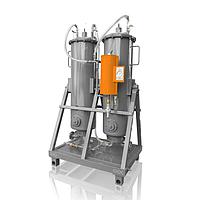
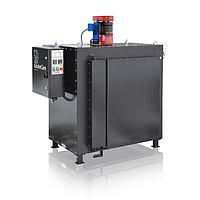
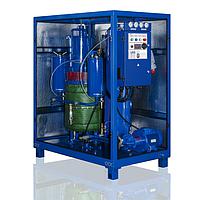
Oil dryer
Keeping insulating and lubricating oils dry is a practical requirement in power, maintenance, and industrial fluid handling environments. Excess moisture can reduce dielectric performance, accelerate oxidation, and affect the overall condition of oil-filled equipment. For buyers comparing solutions in this area, the Oil dryer category brings together equipment designed to remove water, improve cleanliness, and support more stable oil properties during service or preparation.
Within this range, the focus is on zeolite-based drying systems and related support equipment used in oil treatment workflows. These products are relevant where controlled moisture removal, fine filtration, and dependable processing capacity matter more than generic transfer or pumping functions.
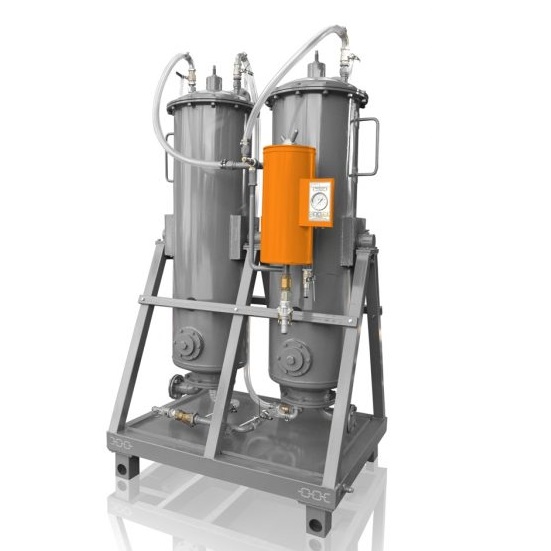
Where oil drying equipment is used
Oil drying equipment is commonly selected for applications involving transformer oil, insulating oil, and other industrial oils that must maintain low moisture content and consistent cleanliness. In these settings, water contamination may enter during storage, operation, maintenance, or exposure to ambient conditions, making periodic treatment an important part of asset care.
Compared with simple filtration alone, an oil dryer is intended for situations where moisture removal is a key requirement. This makes the category especially useful for maintenance teams, service contractors, and facilities that need to restore oil condition before testing, reuse, or return to operation.
What you can find in this category
The product range includes compact and higher-capacity drying units, as well as supporting equipment for sorbent handling and regeneration. Examples include the GlobeCore MCU-1.7 and MCU-4.3 zeolite oil drying units for lower and medium throughput requirements, along with the MCU-7 for applications that need a broader operating range and integrated sorbent regeneration capability.
Support devices in the same ecosystem also play an important role. The GlobeCore SSC-15 zeolite drying cabinet is intended for drying sorbent material under controlled heating conditions, while the GlobeCore ZP-260 sorbent cartridges provide an additional treatment stage for oil processing lines where adsorption and fine filtration are part of the overall workflow.
For buyers looking specifically at the wider GlobeCore product range, this category shows how the brand’s drying and sorbent-based oil treatment equipment fits into a practical maintenance process rather than existing as isolated standalone devices.
How zeolite oil drying systems support oil treatment
Zeolite drying is widely used because sorbent material can adsorb moisture from oil while the system simultaneously supports filtration and controlled processing. In practical terms, this helps reduce water contamination and improve oil cleanliness without treating the process as a simple heating task alone.
Depending on the equipment design, the workflow may combine drying, regeneration, and filtration, or separate these stages according to operating needs. In this category, some units are designed for straightforward processing capacity, while others add more advanced sorbent handling features such as regeneration without unloading, which can be useful when maintenance efficiency and process continuity are important.
Key points to compare when selecting an oil dryer
The first selection factor is usually throughput capacity. Smaller units can suit localized maintenance or lower-volume service work, while larger systems are more appropriate when the oil volume is higher or processing time needs to be reduced. In this category, examples range from approximately 1.7 m3/h up to higher-capacity configurations around 4.3 m3/h, depending on operating mode.
Another important factor is the treatment objective. Some buyers primarily need drying and particulate reduction, while others also evaluate filtration fineness, outlet temperature in heating mode, regeneration method, and the target oil cleanliness level. For technical teams, these points are often more useful than simply comparing power consumption alone.
Physical installation conditions should also be reviewed early. Dimensions, weight, available three-phase power supply, and whether the unit will be used as a fixed installation or part of a mobile maintenance setup can all affect model suitability.
Representative equipment in this category
The GlobeCore MCU-1.7 is a compact option for lower processing volumes, making it relevant where controlled drying and filtration are needed without moving to a larger footprint. The MCU-4.3 increases capacity while maintaining the same general treatment concept, which can be helpful for workshops or service teams handling larger oil batches.
For applications that require more process flexibility, the GlobeCore MCU-7 stands out because it combines drying and heating modes with sorbent regeneration capability. In support roles, the SSC-15 drying cabinet is relevant when zeolite preparation is part of the operating routine, and the ZP-260 sorbent cartridges can complement a broader oil treatment line where adsorption vessels are required.
These examples show that the category is not limited to one machine format. It covers both the core drying unit and the surrounding equipment needed to maintain sorbent performance and build a more complete oil treatment process.
How this category relates to testing and maintenance workflows
Oil drying is often one step in a broader maintenance sequence. After moisture reduction and filtration, teams may also need to verify oil condition through laboratory or field measurements, especially when the treated oil is intended for reuse in critical equipment.
For that reason, buyers comparing drying systems may also review related areas such as fuels testing equipment or instruments like a flash tester, depending on the broader quality control workflow. In facilities where moisture management extends beyond oil itself, air drying equipment may also be relevant as part of the surrounding process environment.
Choosing the right oil dryer for your operation
A good starting point is to define the oil type, expected contamination level, and target treatment result. From there, it becomes easier to narrow the choice by required capacity, regeneration approach, filtration level, and available utilities. Buyers who process oil occasionally may prioritize simplicity and compact size, while continuous or service-intensive operations often need a more structured system with sorbent support equipment.
It is also useful to think in terms of the full operating cycle rather than a single machine. If your process depends on zeolite condition, cartridge handling, or repeated maintenance intervals, selecting related support equipment at the same time can make the system easier to manage over the long term.
Final considerations
This Oil dryer category is intended for professionals who need practical solutions for reducing moisture and improving the condition of industrial oils. Whether the requirement is a compact zeolite drying unit, a higher-throughput system, or supporting equipment for sorbent preparation and handling, the range is structured around real treatment tasks rather than generic fluid transfer.
By comparing capacity, process mode, regeneration needs, and installation constraints, buyers can identify a solution that fits both the oil condition objective and the maintenance workflow around it. That approach usually leads to a more reliable selection than choosing on headline specifications alone.
Get exclusive volume discounts, bulk pricing updates, and new product alerts delivered directly to your inbox.
By subscribing, you agree to our Terms of Service and Privacy Policy.
Direct access to our certified experts