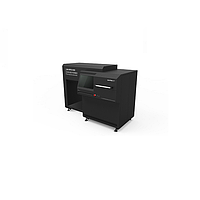
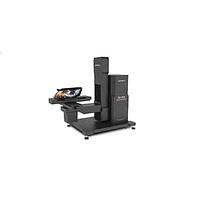
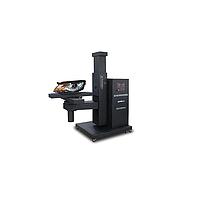
Goniospectroradiometer
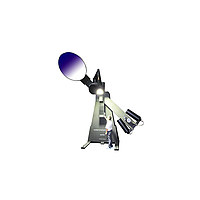
Accurate photometric and color measurement is essential when evaluating modern luminaires, LEDs, and other light-emitting products. In applications where beam distribution, spectral behavior, and visual appearance all matter, a goniospectroradiometer helps engineers and quality teams analyze how light performs at different angles rather than relying on a single-point reading.
This category is intended for users who need more than basic illuminance verification. Whether the goal is product development, comparative testing, or quality control for color-critical lighting, goniospectroradiometer-based workflows support a deeper understanding of luminous intensity distribution, spectral output, and the relationship between angle and perceived color.

Why goniospectroradiometric measurement matters
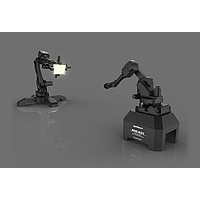
Many lighting products cannot be assessed properly with a simple spot measurement. A directional light source may appear compliant in one position but behave very differently across its full beam pattern. A goniospectroradiometer is used to characterize that angular behavior, making it valuable for laboratories, manufacturers, and technical teams working with optical performance data.
By combining angular positioning with spectral and radiometric analysis, this type of system supports evaluation of light distribution, color consistency, and optical output under controlled conditions. That makes it particularly relevant for LED-based products, display-related lighting studies, and test environments where traceable, repeatable measurements are important.
Typical use cases in lighting and optical testing
In practice, these systems are often considered where light needs to be measured as a function of direction. This includes luminaire evaluation, optical component development, and color-sensitive product assessment. For engineering teams, the benefit is not just collecting data, but understanding how a product behaves in real operating geometry.
They are also useful in broader optical labs that may work alongside instruments such as light meters for routine illuminance checks or color sensors for inline or compact color detection tasks. In that context, a goniospectroradiometer typically serves as a more advanced measurement solution for detailed characterization rather than simple field verification.
What to consider when selecting a system
Choosing the right setup depends on the test object, required data depth, and measurement workflow. Important considerations usually include the size and type of the light source, the angular resolution needed, the spectral information required, and the level of automation expected in the lab. For some users, throughput matters most; for others, repeatability and analytical depth are the priority.
It is also useful to think about the surrounding test ecosystem. If your process includes UV-related evaluation, complementary tools such as a UV meter may support additional verification steps. Likewise, teams working across multiple optical disciplines may compare this category with equipment such as a collimator when the application involves beam alignment or optical path control.
Role in color-critical assessment workflows
Not every lighting test is only about brightness. In many industries, the visual impression of a product under controlled illumination is just as important as the measured output. Goniospectroradiometric analysis can contribute to these workflows by helping users understand how spectral and angular changes may influence appearance, especially for products that must maintain a consistent visual result.
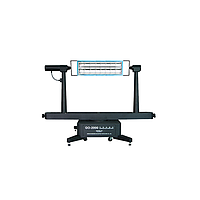
For visual comparison and controlled appraisal environments, related equipment from BYK may also be relevant. The listed examples in this broader testing context include the BYK byko-spectra lum 230V and BYK byko-spectra lum 115V light booth solutions, which are designed for color-critical appraisals under defined illuminants such as D65, A, HZ, CWF, TL84, U30, and UV. While these are not substitutes for a goniospectroradiometer, they illustrate how instrumental measurement and standardized visual assessment often complement each other in professional color workflows.
Examples from the broader measurement environment
The available product examples in this context highlight the importance of controlled lighting when evaluating color and appearance. The BYK byko-spectra lum 230V Light booth and Luminaire for color critical appraisals provides a defined viewing area and multiple illuminants, making it useful where visual judgment must be consistent across different lighting conditions. The 115V version supports similar goals for facilities operating on that supply standard.
These examples are helpful because they show the wider ecosystem around optical and lighting test equipment. In many industrial and laboratory settings, visual assessment booths, photometric instruments, and spectral analysis tools are used together rather than in isolation. The exact combination depends on whether the user is validating appearance, measuring performance, or building a complete test workflow for development and quality assurance.
Who typically uses this category
This category is relevant for lighting manufacturers, test laboratories, R&D departments, and quality teams that need reliable angular and spectral data. It is especially suitable where products must be assessed beyond simple on-axis measurement, or where documentation of optical performance forms part of qualification, comparison, or internal release processes.
It can also be a practical fit for organizations building a more complete optical measurement capability. If your current setup already includes basic illuminance or color-checking instruments, moving into goniospectroradiometric measurement may provide the next level of analytical detail for product development and technical validation.
Finding the right fit for your application
When reviewing options in the Goniospectroradiometer category, it helps to start with the measurement objective: distribution analysis, spectral characterization, color behavior, or a combination of these. From there, the most suitable solution is usually defined by sample geometry, required reporting depth, and how the instrument will integrate into your existing lab process.
A well-matched system can improve both confidence in measurement results and efficiency in technical decision-making. If your work involves optical testing, color-critical evaluation, or advanced luminaire characterization, this category is a strong starting point for building a more capable and consistent measurement workflow.
Get exclusive volume discounts, bulk pricing updates, and new product alerts delivered directly to your inbox.
By subscribing, you agree to our Terms of Service and Privacy Policy.
Direct access to our certified experts