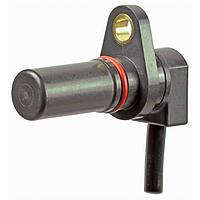
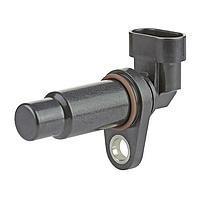
Speed Sensors
Accurate speed feedback is essential wherever rotating parts, moving shafts, wheels, or gear teeth need to be monitored in real time. In industrial machinery, transportation systems, test equipment, and motion control applications, the right sensor helps convert mechanical movement into a reliable electrical signal that can be used for control, safety, diagnostics, or measurement.
Speed sensors in this category support a wide range of sensing approaches, including Hall effect and variable reluctance technologies. They are commonly selected for applications where engineers need dependable detection of rotational speed, position reference, or target movement under demanding environmental and installation conditions.
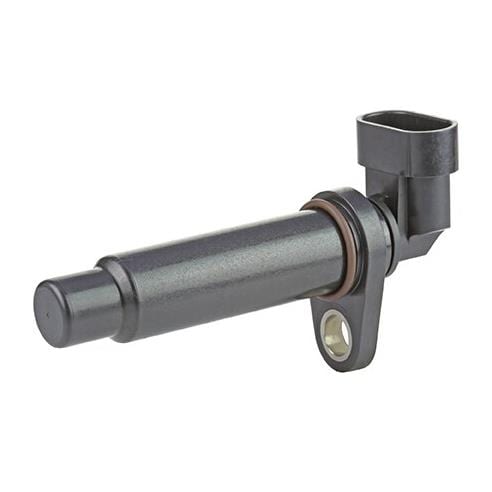
Where speed sensors are used
These sensors are widely applied in systems that depend on stable motion feedback. Typical examples include motor and drive monitoring, wheel speed detection, gear tooth sensing, shaft rotation measurement, and machine synchronization. In many setups, the sensor output is fed into a controller, counter, PLC, or monitoring device to support real-time decision-making.
They are also relevant in broader motion and measurement environments where speed data is only one part of the signal chain. For projects that combine rotational feedback with other measurement methods, it can be useful to explore related technologies such as Doppler radar systems for non-contact motion measurement in different operating scenarios.
Common sensing technologies in this category
Two of the most common technologies found in speed sensing are Hall effect sensing and variable reluctance. Hall effect sensors typically require a power supply and are often chosen when users need a defined output signal, good low-speed performance, or integration into electronic control systems. Variable reluctance designs, by contrast, are often used for detecting ferrous targets such as gear teeth and can be well suited to rugged environments.
The product range here reflects that mix. Examples include the Honeywell SNG-SPRD-004 and SNG-SPRC-003 right-angle Hall sensors, the Honeywell SNG-QPRA-000 Hall effect model, and variable reluctance options such as the Honeywell TM-LDADA, Honeywell 3025S13, and Honeywell 3010AN. For design-in applications at the component level, the Allegro MicroSystems A19200LUBATN-L-A shows how wheel speed sensing can also be implemented as a sensor IC within a more integrated electronic architecture.
How to choose the right speed sensor
Selection usually starts with the target being measured. Engineers should first consider whether the sensor will detect a gear, toothed wheel, shaft feature, or other moving metal target, and whether the measurement is focused on speed only or also on position reference. From there, mounting style, sensor body orientation, cable or connector termination, and available installation space become critical practical factors.
Electrical and environmental requirements matter just as much. Supply voltage range, output interface, temperature tolerance, and expected frequency response all affect suitability. In industrial and mobile equipment, buyers often compare powered Hall effect options with passive or ruggedized alternatives depending on control architecture, noise immunity needs, and maintenance expectations. If you are comparing broader product ecosystems, the Honeywell sensor portfolio is especially relevant in this category because it spans multiple sensing formats for speed and position tasks.
Representative products and application fit
Several products in this category illustrate the range of use cases. The Honeywell LCZ260 is a barrel-style speed sensor suited to applications where body length, lead configuration, and powered operation are part of the design requirement. The Honeywell SNG-QPCA-002, described for speed and position use, is more relevant where the signal may serve dual purposes in motion feedback systems.
For harsh or specialized installations, the TE Connectivity 374Z-05071 stands out as a Hall effect speed sensor intended for demanding environments, while the Honeywell 727386 aerospace speed sensor suggests the importance of application-specific sensor construction in regulated or highly reliability-focused sectors. At the PCB or electronics integration level, Allegro MicroSystems is a useful reference for compact Hall-based sensing components used inside wheel speed and motion-sensing designs.
Mechanical, electrical, and environmental considerations
A speed sensor rarely operates in isolation. Gap to target, alignment, vibration, shielding, and cable routing can all influence signal quality. Even when a product meets the required voltage and temperature range on paper, installation details often determine whether the final system delivers stable, repeatable readings.
It is also important to match the sensor to the expected operating envelope. Some applications involve low-speed detection where signal clarity is critical, while others must handle higher pulse frequencies from fast-rotating machinery. Temperature exposure, contamination, enclosure design, and connector selection should be reviewed early, especially in mobile equipment, factory automation, and outdoor installations where long-term reliability is a priority.
Role in motion control and measurement systems
In many systems, speed sensing is part of a larger measurement chain that includes position, timing, and control feedback. The sensor may trigger counters, support closed-loop control, detect overspeed conditions, or provide the base signal for diagnostic analysis. This makes sensor choice important not only at the component level but also at the system architecture level.
Where applications extend beyond rotational sensing alone, users may also compare this category with other motion-related technologies such as velocity measurement instruments for specialized testing environments. The right choice depends on what kind of motion is being measured, how the signal will be processed, and what level of response and environmental robustness the project requires.
What buyers often look for on a category page
For B2B purchasing, the main priorities are usually straightforward: sensing principle, mounting format, electrical compatibility, operating temperature, and suitability for the target application. Engineers may start with a known brand or part family, while procurement teams often need a faster way to compare available options across installation style and system requirements.
This category is designed to support both approaches. You can review individual product pages for available details on form factor, supply characteristics, and environmental range, then narrow choices based on the machine layout and control electronics already in place. That is especially useful when replacing an existing sensor, qualifying an alternate part, or evaluating options for a new motion feedback design.
Finding a suitable speed sensor for your application
The most effective selection process starts with the application rather than the part number alone. Define the target type, speed range, electrical interface, mounting constraints, and environmental exposure first, then compare products that match those conditions. That approach helps reduce integration risk and leads to more reliable motion data in operation.
Whether you are sourcing a rugged field-installed unit, a Hall effect design for electronic control, or a variable reluctance sensor for gear-tooth detection, this category brings together relevant options for industrial and technical buyers. Reviewing a small number of well-matched products is usually more effective than comparing every available model, especially when long-term performance and signal consistency matter.
Get exclusive volume discounts, bulk pricing updates, and new product alerts delivered directly to your inbox.
By subscribing, you agree to our Terms of Service and Privacy Policy.
Direct access to our certified experts
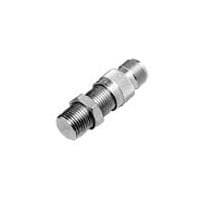

![Honeywell ZH10 Speed Sensors 25.4mm,4Vdc to 24Vdc 910 mm [36 in] Lead](/s-cdn/26/264193afb18bb242d5700c81195a1d291e34afb9.jpg)