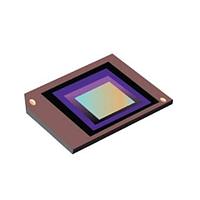
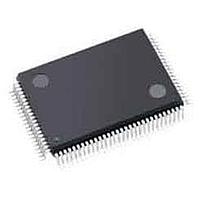
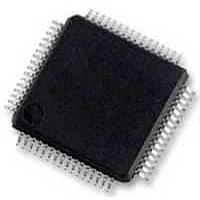
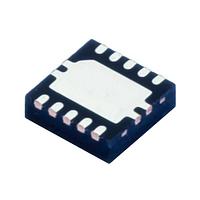
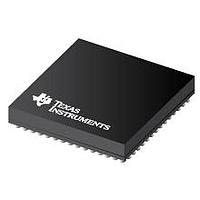
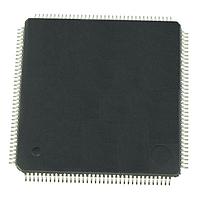
Display Controllers & Drivers
Choosing the right interface electronics is essential when a design needs to present information clearly, responsively, and with reliable long-term operation. In display-focused embedded systems, the controller and driver stage has a direct impact on image quality, power behavior, refresh performance, and the overall integration effort for the engineering team.
Display Controllers & Drivers are commonly used in applications ranging from industrial HMIs and instrumentation panels to embedded terminals, smart devices, and custom electronic products. This category is relevant for engineers and buyers looking for integrated circuits that help manage display signaling, pixel data handling, timing, and communication between the host processor and the display subsystem.
Where display controllers and drivers fit in a system
In practical designs, these components sit between the main processing logic and the display hardware, helping translate system-level commands into the electrical behavior required by the screen. Depending on the architecture, a device in this category may handle display timing, frame buffering functions, signal conversion, or direct panel-driving tasks.
This makes selection highly application-dependent. A compact embedded product may prioritize low power and simple integration, while a more advanced interface may require higher data throughput, better graphical handling, or compatibility with a specific display technology. For teams also evaluating related interface options, it can be useful to compare this category with LCD drivers when the design is tied to a particular panel type.
Typical applications in industrial and embedded design
Display controller and driver ICs are widely used wherever machine status, measurement data, operating conditions, or user interaction need to be shown on-screen. Common examples include control panels, handheld instruments, medical electronics, point-of-service devices, test equipment, and automation interfaces.
In these environments, designers usually care about more than basic image output. They also need dependable communication with the host system, support for stable visual performance, and a component ecosystem that fits broader design constraints such as board space, thermal behavior, and lifecycle planning. In some projects, display logic is evaluated alongside LED display drivers for systems that use segmented or matrix-based visual indicators instead of conventional display panels.
Key considerations when selecting a device
A good selection process starts with the display type, system architecture, and interface requirements. Engineers typically review how the IC will communicate with the processor, what level of control it provides over display operation, and whether it matches the electrical and timing needs of the target module.
It is also important to consider integration complexity. A part that reduces external component count or simplifies firmware development can help shorten design cycles, especially in embedded projects with limited engineering resources. At the same time, procurement teams often look at availability, manufacturer support, and alignment with approved vendor strategies.
Another practical factor is whether the application needs a broader category of display management or a more specialized driver approach. For example, systems that focus on illumination rather than information display may be better aligned with LED lighting driver ICs, while screen-based interfaces usually benefit from devices optimized for visual data control.
Technology and supplier landscape
This category includes solutions associated with established semiconductor suppliers used across embedded and industrial electronics. Brands such as Analog Devices, Infineon, Maxim Integrated, Microchip, Epson, Intersil, and IXYS are often considered by engineering teams that need reliable component sourcing and familiarity with industrial design workflows.
Different manufacturers may be preferred for different reasons, such as ecosystem compatibility, documentation quality, design support, or fit with existing platforms. In B2B purchasing, supplier continuity can matter just as much as device-level capability, especially for long-life equipment, regulated applications, or products that require stable revision control over time.
How this category relates to adjacent driver IC segments
Display-related IC selection is rarely done in isolation. In many product architectures, the display chain is one part of a larger signal and control system that may include lighting, laser, or dedicated panel-driving functions. Understanding these boundaries helps teams avoid over-specifying a component or choosing a device intended for a different output technology.
For instance, some designs need a controller that manages data flow and screen behavior at a higher level, while others need a narrower function tied to a specific display method. That is why it is useful to distinguish display control from direct output driving, and to evaluate whether adjacent categories such as laser drivers serve a completely different optical or signal-delivery role.
What buyers and engineers should look for on a category page
For technical sourcing, a well-structured category page helps narrow down products by application fit rather than by part number alone. Buyers may begin with manufacturer preference or stock strategy, while engineers often start with interface compatibility, intended display technology, and the level of control required in the end product.
As you review available options, it is worth balancing electrical suitability, software effort, lifecycle considerations, and supply-chain practicality. This is especially relevant in industrial purchasing, where a component decision often affects not only prototype performance but also maintenance planning, future redesign effort, and qualification workflows.
Finding the right option for your project
The best choice depends on how the display functions within the system, what the host controller needs to communicate, and how much display-specific processing should be handled by the IC itself. A simple embedded screen, a data-rich industrial interface, and a purpose-built control terminal may all require different approaches even though they fall under the same category.
By focusing on application requirements, interface needs, and supplier fit, teams can evaluate Display Controllers & Drivers more effectively and reduce design risk early in the selection process. For B2B buyers and engineers alike, this category is most useful when treated as part of the wider display and control ecosystem rather than as a standalone component shortlist.
Get exclusive volume discounts, bulk pricing updates, and new product alerts delivered directly to your inbox.
By subscribing, you agree to our Terms of Service and Privacy Policy.
Direct access to our certified experts