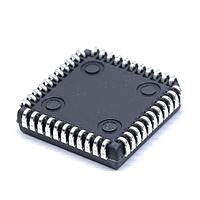
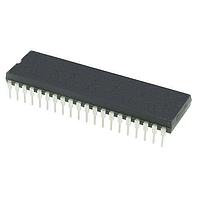
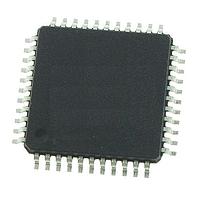
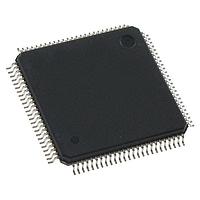
LCD Drivers
Clear, stable visual output in embedded equipment depends heavily on the quality of the driver stage behind the screen. In many designs, that role is handled by LCD Drivers, the integrated circuits that translate control signals into the voltage patterns required to operate liquid crystal displays reliably across industrial, commercial, and electronic applications.
For engineers, buyers, and sourcing teams, this category is typically relevant when selecting components for segmented displays, character modules, graphic panels, handheld instruments, control interfaces, and compact embedded HMIs. Choosing the right device is not only about display compatibility, but also about signal architecture, power requirements, integration level, and how the driver fits into the broader system design.
Where LCD driver ICs fit in a display system
An LCD panel does not operate like a simple indicator LED. It requires carefully timed drive waveforms and appropriate multiplexing so that segments or pixels can be addressed without damaging the display or degrading visibility. LCD driver ICs are designed to manage this interface layer, helping the host controller communicate with the display in a practical and electrically suitable way.
Depending on the application, these devices may be used to drive segmented LCDs in metering and instrumentation, support compact alphanumeric interfaces, or simplify the design of low-power visual modules. In systems where display control is more complex, teams may also compare this category with display controllers and drivers to determine whether the design needs a pure driving stage, a control-plus-drive solution, or a combination of both.
Typical applications for LCD drivers
LCD driver ICs are commonly selected for equipment that needs readable information with controlled power consumption and compact electronics. This includes measurement devices, appliance interfaces, portable products, industrial control panels, timers, counters, and dedicated embedded displays where long operating life and straightforward visual feedback are important.
They are especially useful when the display must remain easy to read while keeping the main processor free from direct waveform generation tasks. In these designs, the driver helps reduce software burden and can simplify board-level implementation by handling repeated display-driving functions in dedicated hardware.
How to evaluate devices in this category
When comparing parts, the first consideration is usually the display format and drive method. Engineers need to confirm whether the target LCD is segmented or otherwise structured for the intended driver architecture, and whether the multiplexing capability matches the display layout. Interface compatibility with the host system is equally important, particularly in embedded products where communication method and timing constraints directly affect firmware and PCB design.
Another practical factor is power behavior. Many LCD-based products are battery-powered or expected to operate continuously, so power consumption, voltage range, and overall integration level can influence both product life and design complexity. Teams may also look at package style, availability, and ecosystem fit, especially when standardizing around suppliers such as Analog Devices or Microchip for broader mixed-signal and embedded design requirements.
Relationship to other driver IC categories
Although these products all sit within the driver IC landscape, LCD drivers serve a different purpose from categories built for light emission or optical sources. For example, applications using illuminated signage, matrix indicators, or backlit visual modules may also involve LED display drivers or lighting-focused driver ICs. The selection depends on whether the system is controlling a liquid crystal display, an emissive LED arrangement, or a hybrid user interface.
This distinction matters during sourcing because similar naming can mask very different electrical functions. LCD drivers are intended for the waveform and biasing needs of liquid crystal technology, while adjacent categories address different load types, control schemes, and performance priorities.
Manufacturers commonly associated with this segment
This category may include solutions from established semiconductor suppliers such as Allegro MicroSystems, Analog Devices, Epson, Fairchild, HITACHI, Intersil, Maxim Integrated, Microchip, Microchip Technology, and Murata. Each manufacturer may approach display-related design from a slightly different angle, whether the focus is low-power integration, mixed-signal control, embedded compatibility, or support for compact electronic products.
For buyers, the manufacturer list is useful not just as a sourcing reference, but also as an indicator of ecosystem alignment. If a project already uses a particular vendor for analog, interface, or power components, selecting an LCD driver from the same supplier family can sometimes simplify qualification, documentation review, and long-term procurement planning.
Selection considerations for engineering and procurement teams
In practice, component choice often involves both technical and supply-chain criteria. Engineering teams usually begin with display type, segment count or drive structure, logic compatibility, and operating conditions. Procurement teams then add commercial filters such as lifecycle status, approved vendor lists, and the need for consistent sourcing across multiple production runs.
It is also useful to think about the total display subsystem rather than the driver in isolation. A design may require related interface, control, or support components depending on whether the display is simple and dedicated or part of a more advanced user interface architecture. Looking at nearby categories, such as LED lighting driver ICs, can help clarify category boundaries during early part selection, even when the final application is clearly LCD-based.
Why this category matters in embedded and industrial electronics
A well-matched LCD driver contributes to display stability, efficient system design, and easier integration of visual functions into embedded equipment. In products where the display is a core part of the operator experience, the right IC can help balance readability, power efficiency, board space, and implementation effort.
Whether you are refining a new design or sourcing replacement components for an existing product line, this category provides a focused starting point for identifying devices suited to liquid crystal display applications. Reviewing LCD drivers in the context of interface needs, electrical requirements, and long-term supply considerations will usually lead to a more reliable and maintainable display solution.
Get exclusive volume discounts, bulk pricing updates, and new product alerts delivered directly to your inbox.
By subscribing, you agree to our Terms of Service and Privacy Policy.
Direct access to our certified experts