Memory IC Development Tools
Choosing the right tools for memory design work can make a noticeable difference in development speed, verification accuracy, and overall integration effort. Whether the task involves evaluating non-volatile memory behavior, programming device parameters, or building a prototype around a specific storage architecture, Memory IC Development Tools help engineers move from concept to validation with less guesswork.
In semiconductor and embedded design environments, these tools are commonly used to support testing, debugging, configuration, and early-stage hardware evaluation. They are especially relevant when teams need to characterize memory devices in a controlled setup before committing to a larger system design.
Where Memory IC Development Tools Fit in the Design Flow
Memory-related development platforms are typically used between component selection and full system integration. They give engineers a practical way to work with memory devices outside the final product, making it easier to study interface behavior, access methods, timing considerations, and programming workflows.
Depending on the project, these tools may support bench evaluation, firmware development, reference testing, or lab validation. In many cases, they also help teams compare different approaches across the broader semiconductor ecosystem, especially when memory must interact closely with integrated circuits or host processing platforms.
Typical Use Cases in Engineering and Prototyping
Engineers often look for memory development tools when they need a faster way to validate a design assumption before spinning a custom board. A dedicated evaluation or development setup can simplify early experiments with read/write behavior, interface compatibility, address mapping, and data retention workflows, depending on the device under test.
These tools can also be useful in educational labs, R&D environments, and product development teams working on embedded systems, industrial controls, data logging, or connected electronics. When memory is part of a larger platform, development may also involve adjacent hardware such as embedded computers, where quick interoperability checks are important.
What to Consider When Selecting a Tool
The most important starting point is device compatibility. Engineers should confirm that the tool aligns with the target memory family, communication interface, voltage requirements, and intended development workflow. A tool that is convenient for basic evaluation may not be ideal for production-oriented programming or repeated validation work.
It is also worth considering software support, debugging access, documentation quality, and the availability of example code or reference designs. In technical purchasing environments, long-term maintainability matters just as much as initial functionality, particularly when development tools need to remain usable across multiple project cycles.
Another key factor is how the memory tool fits into the surrounding electronics stack. Some projects require interaction with companion logic, controllers, or support circuitry, so engineers may also review related component areas such as discrete components when planning a complete prototype or lab setup.
Common Tool Types in This Category
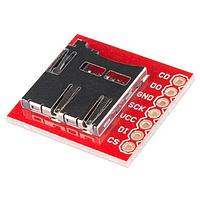
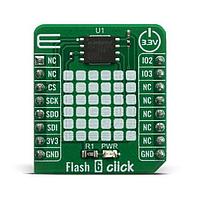
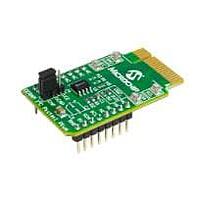
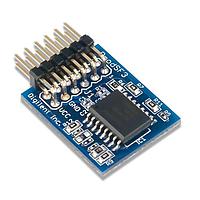
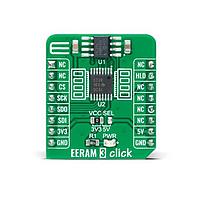
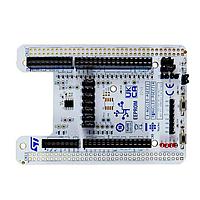
This category may include evaluation boards, programming platforms, adapter-style development hardware, and other resources used to work directly with memory ICs during design and testing. The exact form factor can vary, but the underlying purpose is usually the same: to provide a stable, repeatable environment for assessing how a memory device behaves in real use.
Some tools are oriented toward quick proof-of-concept work, while others are better suited to detailed engineering analysis. In practice, buyers often choose based on whether they need flexible experimentation, repeatable validation, or support for a specific memory implementation within a broader hardware design.
Manufacturers Commonly Considered for Memory Development Work
Selection often depends on the target device family and the existing design environment. Well-known suppliers in adjacent semiconductor and embedded development spaces include Analog Devices, Microchip Technology, NXP, Renesas Electronics, Infineon, and Maxim Integrated. For prototyping and educational development, teams may also be familiar with Arduino or Adafruit ecosystems where hardware accessibility and rapid testing are priorities.
Not every manufacturer serves the same need in the same way. Some are more relevant for component ecosystems, others for development platforms, and others for broader embedded integration. For that reason, comparing vendor support, software maturity, and application fit is usually more useful than focusing on brand name alone.
How These Tools Support Better Design Decisions
Using a dedicated development tool can reduce risk early in the project. Instead of building custom support hardware immediately, teams can verify core assumptions about memory access, configuration methods, and system behavior in a simpler environment. That approach can shorten troubleshooting time and improve confidence before moving into PCB design or production preparation.
These tools are also valuable when teams need to compare memory options, validate firmware routines, or train engineers on a new device family. In purchasing and engineering coordination, that makes them more than just accessories; they often become part of the broader development workflow for qualification and design verification.
Choosing a Category with Practical Engineering Value
For B2B buyers, developers, and technical teams, the real value of this category lies in reducing uncertainty. Memory IC Development Tools provide a structured way to evaluate memory devices, test implementation ideas, and prepare for integration into larger electronic systems. The right choice depends on compatibility, intended use, and how the tool fits with the rest of the hardware platform.
If your project also involves supporting storage hardware, removable media, or other memory-related components, it may be useful to review nearby categories such as memory accessories. A well-matched toolset helps engineering teams work more efficiently from evaluation through prototype validation and onward to final system development.
Get exclusive volume discounts, bulk pricing updates, and new product alerts delivered directly to your inbox.
By subscribing, you agree to our Terms of Service and Privacy Policy.
Direct access to our certified experts