Building Automatic Training
Modern technical training environments need more than theory. To help learners understand how building systems interact in real operating conditions, training platforms must combine control logic, power distribution, field devices, and fault analysis in a way that is safe, visible, and practical. That is where Building Automatic Training equipment becomes especially useful for vocational schools, technical institutes, and industrial training centers.
This category focuses on hands-on platforms designed for teaching automation concepts used in building services and facility operations. The range shown here includes training systems for building automation, elevator control, and security monitoring, making it relevant for programs that cover electromechanical control, PLC-based operation, and integrated building systems.
Training platforms for real building system logic
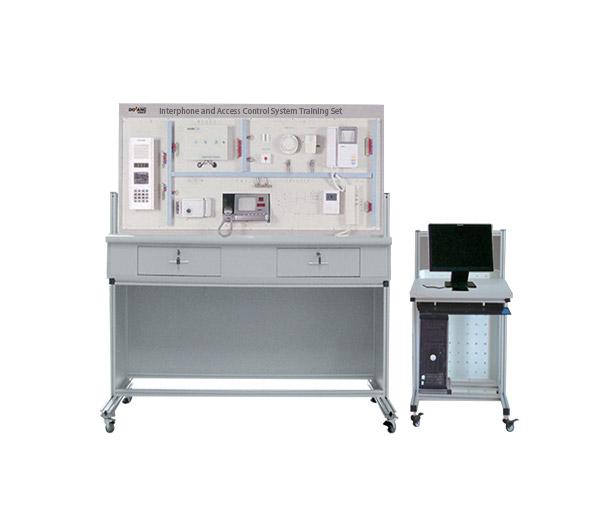
Building automation training equipment is typically used to simulate the kinds of systems found in commercial buildings, campuses, public facilities, and industrial sites. Instead of learning isolated components only, students can work with complete training assemblies that reflect how devices, controllers, and operating sequences are connected in practice.
In this category, the focus is not limited to a single subsystem. Some equipment is built around broader building management and automation topics, while other systems concentrate on specific applications such as elevator control or security and monitoring. This makes the category suitable for institutions looking to build step-by-step learning paths, from basic control understanding to more advanced integrated system training.
Typical equipment included in this category
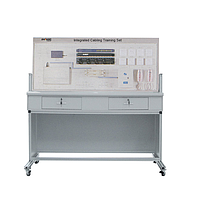
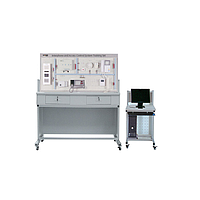
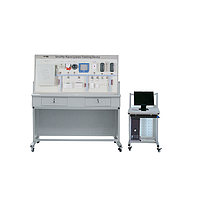
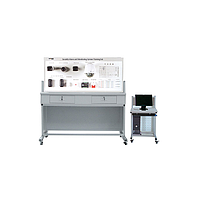
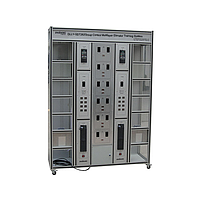
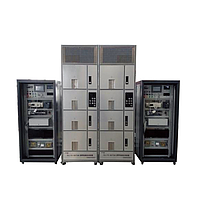
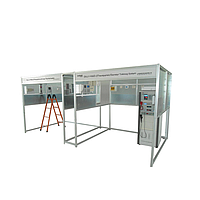
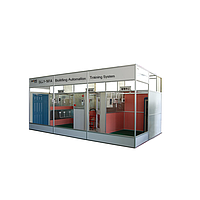
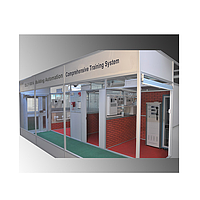
Several training systems in this range illustrate different aspects of building automation. The DOLANG DLLY-1301A Building Automation Engineering Skill Training Evaluation System and the DOLANG DLLY-501A Building Automation Training System are examples of platforms intended for broader engineering training around automated building functions. They are relevant when the goal is to teach system structure, operational logic, and practical troubleshooting in a controlled environment.
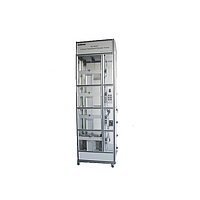
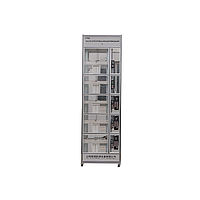
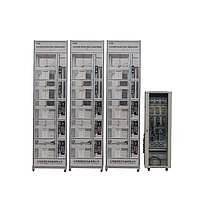
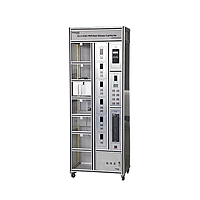
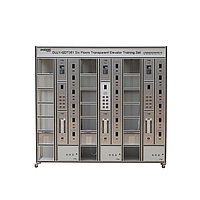
Elevator-focused trainers form another important part of the selection. Models such as the DOLANG DLLY-HAD-3 Transparent Elevator Training System, DOLANG DLLY-QDT361 Six-Floor Transparent Elevator Training Set, and DOLANG DLLY-DT61 Multi-layer Elevator Training Set help learners study vertical transportation control, sequencing, and electromechanical coordination. Transparent structures are particularly useful in teaching because they make component movement and control response easier to observe during operation.
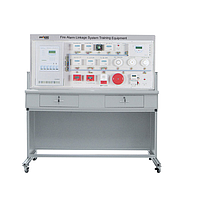
The category also includes equipment related to safety and monitoring, such as the DOLANG DLLY-AF1 Security Alarm and Monitoring System Training Set and the DOLANG DLLY-FB1 Security Alarm System Training Device. These systems support training around alarm logic, monitoring workflows, device connection, and system-level response, which are all relevant topics in the broader building automation ecosystem.
Key learning areas supported by building automation training
A strong training setup should help learners connect electrical control theory with the way actual building systems behave. Depending on the platform, training can cover power input and distribution, PLC-based control, sensor and actuator interaction, command execution, and fault diagnosis. In technical education, this practical bridge is often more valuable than isolated bench exercises.
For elevator-related training sets, learners can explore floor call logic, car movement control, group control concepts, and variable frequency drive behavior. Some of the listed models also indicate technologies commonly used in industrial training contexts, including PLC controllers and VVVF-based motion control. These features support understanding of how motion systems are coordinated for safe and repeatable operation.
Security-focused systems contribute another layer by introducing alarm devices, cameras, and basic monitoring workflows. For institutions building broader smart-building or facility-maintenance programs, these platforms can complement nearby disciplines such as information technology training or other forms of application training where networking, software interaction, and system integration are part of the curriculum.
How to evaluate the right training system
Selection depends first on the teaching objective. If the program is centered on comprehensive building services training, a broader automation system may be more appropriate than a single-function trainer. If the course is dedicated to lift maintenance, mechatronics, or motor-control practice, an elevator trainer with visible structure and multi-floor logic may provide more direct instructional value.
It is also important to review the training environment itself. Power supply requirements, installation dimensions, and system capacity affect where and how the equipment can be used. In this category, some systems are larger, room-scale training installations, while others are more compact framed sets intended for focused lab exercises. Matching the physical layout of the lab to the equipment footprint helps avoid operational constraints later.
Another practical factor is the desired depth of instruction. Some institutions need demonstration-oriented systems for introductory learning, while others need platforms that support programming, wiring recognition, debugging, and fault handling. In those cases, trainers that expose control architecture and allow repeated practical exercises are often more effective for assessment and skills development.
Why elevator and security trainers matter in this category
Building automation is often understood as HVAC and centralized control, but in training environments it should also include important subsystems that technicians regularly encounter. Elevator systems are a clear example because they combine mechanics, control, power electronics, and safety logic. Teaching with a dedicated elevator trainer helps students understand how multiple disciplines come together in a single building application.
Security and monitoring systems are equally relevant because modern facilities depend on coordinated detection, surveillance, and alarm response. A training device that includes detectors, cameras, and control functions allows learners to study not only device setup but also how events are processed and managed. That broader view is valuable for maintenance teams, system integrators, and technical staff responsible for building operations.
Suitable users and training environments
This category is well suited to vocational colleges, technical schools, engineering faculties, training centers, and industrial education programs. It can support courses in building services engineering, mechatronics, electrical installation, PLC control, and facility maintenance. Because the equipment is designed for teaching, it helps create a safer and more structured learning environment than trying to demonstrate these concepts on live building infrastructure.
Institutions that run broader practical education programs may also use this category alongside related areas such as civil engineering training, especially where building operation, infrastructure systems, and applied technical skills are taught in parallel. This creates a more connected learning pathway between design knowledge, physical systems, and operational control.
Choosing with long-term curriculum value in mind
When comparing equipment in this category, it helps to think beyond the first demonstration lesson. The most useful training systems are those that can support repeated exercises, progressive instruction levels, and assessment tasks across multiple cohorts. Platforms covering core control logic, observable machine behavior, and realistic subsystems usually offer stronger long-term teaching value.
For buyers building or expanding a technical lab, the current selection provides a practical mix of general building automation, elevator control, and security training equipment. Reviewing the learning scope, available space, and course outcomes will make it easier to identify the most suitable system for your program. A well-chosen platform can support more effective teaching, clearer skills evaluation, and better preparation for real building automation work.
Get exclusive volume discounts, bulk pricing updates, and new product alerts delivered directly to your inbox.
By subscribing, you agree to our Terms of Service and Privacy Policy.
Direct access to our certified experts