Microcontroller/Microprocessor
Hands-on embedded learning is most effective when theory, hardware interaction, and debugging tools come together in one place. For engineering schools, research labs, and technical training centers, Microcontroller/Microprocessor equipment helps bridge the gap between circuit-level fundamentals and real-world embedded system development.
This category focuses on platforms and supporting tools used to study processor architecture, peripheral control, system integration, and communication analysis. It is relevant for courses in embedded design, digital electronics, ARM-based development, and application-oriented technical training where students need more than simulation alone.
Where microcontroller and microprocessor training equipment fits
In an education or research environment, these systems are typically used to teach how embedded hardware and software interact. A microcontroller platform often supports experiments in input/output control, timing, sensor interfacing, and actuator management, while microprocessor-oriented systems can extend learning toward operating environments, bus structures, and more advanced system design concepts.
Because of that broader role, this category is not limited to a single type of lab exercise. It supports foundational learning as well as practical prototyping, making it a useful complement to broader information technology training programs and interdisciplinary engineering courses.
Typical learning objectives in embedded education
Training platforms in this area are commonly selected to support step-by-step progression. Students may begin with basic digital control tasks, then move on to peripheral communication, interface expansion, and system debugging. This structure helps learners understand not only code execution, but also the behavior of the underlying hardware.
Instructors and lab managers often look for equipment that can demonstrate embedded control, processor architecture, interface development, and fault analysis in a repeatable way. That makes these products suitable for classroom demonstrations, guided experiments, and project-based learning where measurable outcomes matter.
Examples of platforms and tools in this category
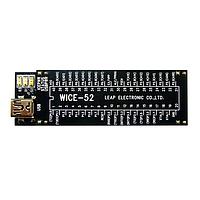
Several products in this category illustrate the range of educational use cases. The LEAPTRONIX 3-in-1 Module Kit is designed as an expansion module for motors, fans, and sensors, which makes it useful for practical experiments involving external devices and basic control scenarios. In teaching environments, this type of add-on hardware can make embedded concepts easier to visualize and test.
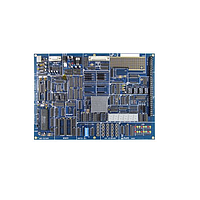
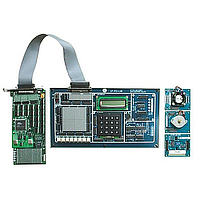
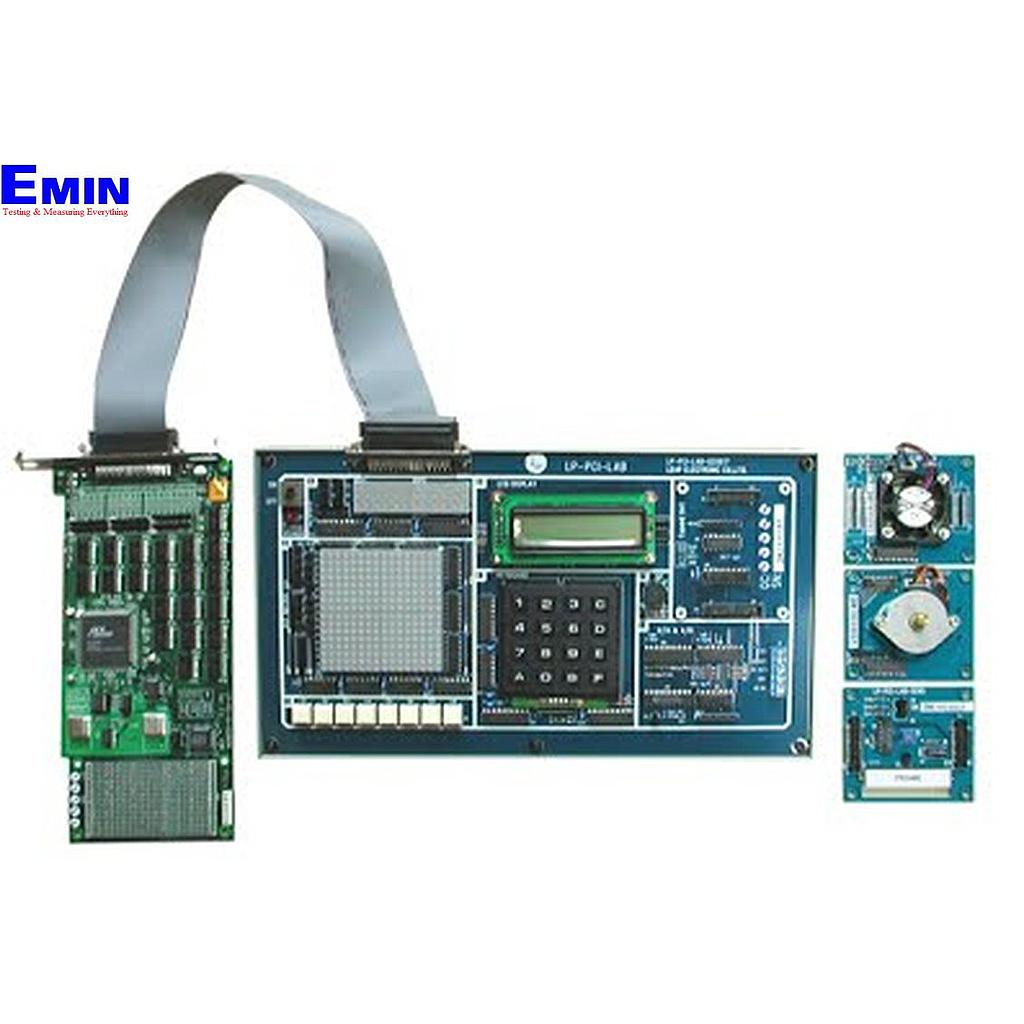
For system-level study, the Leaptronix LP-ARM9-2410-SYSTEM provides an ARM chip system design and experiment platform. This kind of setup is especially relevant when a course goes beyond simple I/O exercises and starts addressing processor-based design, integration, and structured experimentation. The Leaptronix LP-PCI-LAB Development System can also support lab work where students need a more complete development environment for hardware-software interaction.
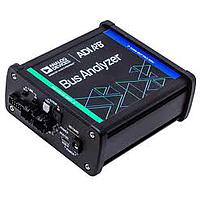
On the analysis side, the Analog Devices ADZS-A2B-ANALYZER A2B Bus Analyzer demonstrates the importance of debug and bus monitoring in advanced embedded development. In research or higher-level training, tools like this help users observe communication behavior, validate network operation, and troubleshoot issues in connected electronic systems.
How to choose the right equipment for a lab or training center
The right selection depends first on the learning level. Introductory courses usually benefit from platforms that simplify experimentation with sensors, motors, and common interfaces. More advanced programs may need processor-oriented systems that allow deeper work on architecture, development workflow, and communication analysis.
It is also important to consider how the equipment will be used in practice. Some labs prioritize repeatable teaching exercises, while others need open-ended platforms for student projects or applied research. In those cases, compatibility with accessories, ease of setup, and the ability to demonstrate both normal operation and fault conditions can be more valuable than simply having a large number of features.
When the curriculum is tied to real applications, this category can also align naturally with application training programs, where learners are expected to connect embedded theory to practical industrial or system-level scenarios.
Why expansion modules and analyzers matter in teaching
Standalone processor boards are important, but they rarely tell the full story on their own. Expansion modules introduce the physical interfaces that students must learn to handle, including actuators, sensing elements, and control outputs. That is where learners begin to understand signal behavior, response timing, and the constraints of working with actual hardware.
At the same time, analyzers and monitoring tools reveal what is happening beyond the visible outputs. They are especially useful for showing how data moves across a network or bus, how devices respond to commands, and how engineers isolate communication problems. This makes them valuable in upper-level courses, capstone projects, and research settings where system debugging is part of the learning objective.
Suitable environments and users
This category is relevant for universities, vocational schools, technical institutes, and R&D departments that need structured embedded training resources. It can support electrical engineering, electronics, mechatronics, automation, and computing-related programs where hardware-oriented learning is part of the curriculum.
Depending on the teaching scope, these platforms may also be used alongside broader laboratory resources in basic practice equipment environments, especially when institutions are building multi-discipline training labs that combine theory, experimentation, and applied engineering tasks.
Building a more effective embedded training setup
A strong training setup usually combines processor development hardware, interface modules, and tools for observation and troubleshooting. This approach gives students a more realistic view of embedded work, from writing and testing code to connecting peripherals and validating system communication.
Whether the goal is introductory instruction or advanced experimentation, this category provides a practical starting point for creating a more complete embedded systems learning environment. By choosing platforms that match the course level and application focus, educators and technical buyers can build labs that are more useful for both teaching outcomes and long-term program development.
Get exclusive volume discounts, bulk pricing updates, and new product alerts delivered directly to your inbox.
By subscribing, you agree to our Terms of Service and Privacy Policy.
Direct access to our certified experts