Power Supply Training Assessment
Hands-on power distribution training is essential wherever technicians, vocational students, and maintenance teams need to move beyond theory and work with realistic electrical systems. In education centers, utility training rooms, and industrial skills programs, the right equipment helps learners understand switching, protection, fault analysis, and safe operating procedures in a controlled environment.
Power Supply Training Assessment equipment is designed for that purpose: building practical competence in low-voltage distribution, protection logic, and electrician assessment workflows. This category is especially relevant for institutions that need structured training platforms for teaching wiring, operation, troubleshooting, and evaluation in power-related disciplines.
What this category supports in technical training
Training systems in this area are typically used to simulate real electrical distribution environments, allowing learners to practice with circuits, control elements, and protection schemes before working on live industrial installations. This makes them useful for vocational schools, technical colleges, utility training departments, and industrial maintenance programs that require repeatable, measurable training outcomes.
Compared with purely theoretical instruction, assessment-oriented platforms help instructors evaluate how learners perform under realistic tasks such as circuit configuration, fault identification, wiring verification, and safe operating procedures. That combination of demonstration and assessment is one of the main reasons these systems are widely adopted in practical electrical education.
Typical equipment included in power supply training assessment setups
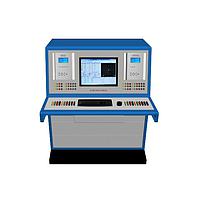
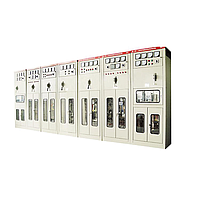
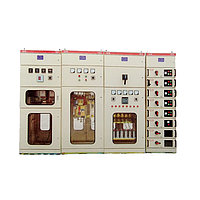
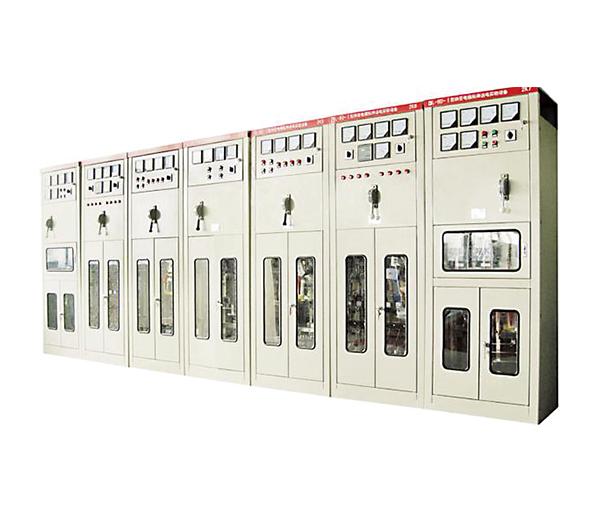
This category focuses on systems built for power supply and distribution practice, especially at the low-voltage level. A representative example is the DOLANG training range, including the DOLANG DLWD-5A I Low-voltage Power Supply & Distribution Assessment Training System and the DOLANG DLWD-5A II Power Supply & Distribution on Duty Electrician Assessment Training System.
These platforms are suited to exercises involving busbar distribution, auxiliary circuits, operating voltage conditions, and practical electrician training. In a teaching context, that means learners can work through tasks that reflect the structure and logic of actual distribution systems rather than isolated classroom experiments.
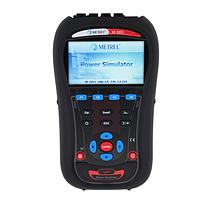
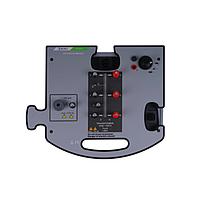
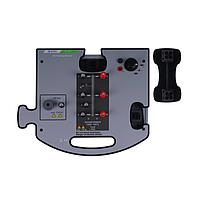
For protection-focused instruction, the HV HIPOT GDHB Micro-computer Protection Simulation Training System adds another layer of relevance. It supports training around protection simulation, current and voltage output behavior, phase relationships, and control or signal interaction, making it useful for more advanced study of electrical protection and system response.
Key applications in education and industry
Power supply training assessment equipment is commonly selected for electrician training, power distribution instruction, and protection system education. Instructors can use these systems to teach wiring methods, switching sequences, fault diagnosis, and the operational logic behind distribution networks without exposing trainees to unnecessary field risk.
Industrial organizations also benefit from this type of equipment when onboarding maintenance personnel or standardizing technician skill levels. Because the systems are structured for repeatable exercises, they support both initial learning and formal competency assessment.
Where broader technical education programs are involved, this category can also complement related training areas such as application training or information technology training when institutions are building multidisciplinary labs.
How to choose the right training system
The right selection usually depends on training objectives, learner level, and the balance between basic distribution practice and advanced protection simulation. If the primary goal is to teach low-voltage supply and distribution procedures, a dedicated assessment platform for wiring and operational exercises may be the better fit. If the program also covers relay logic, protection behavior, and multi-channel signal simulation, a protection-oriented training system may be more appropriate.
Buyers should also review the expected class format: individual practice, instructor-led demonstration, or formal assessment. Physical layout, output capability, auxiliary circuit requirements, and the depth of exercises supported by the platform all influence whether a system is suitable for a vocational classroom, an industrial training center, or a specialist lab.
Another useful consideration is whether the equipment needs to support progression from fundamental skills to higher-level diagnostic work. In that case, combining low-voltage distribution trainers with protection simulation platforms can create a more complete training pathway.
Why assessment-ready systems matter
In technical education, it is not enough for equipment to simply demonstrate electrical principles. Institutions often need a way to verify whether learners can complete tasks correctly, follow process steps, and respond to faults under realistic conditions. That is where assessment-oriented equipment provides practical value.
Systems intended for assessment help instructors measure performance more consistently across cohorts. They also make training more aligned with workplace expectations, especially in programs preparing learners for maintenance, operation, or electrician duties where procedural accuracy and safety awareness are critical.
Relevant product examples in this category
The DOLANG DLWD-5A I model is relevant for low-voltage power supply and distribution practice, particularly where structured training on electrical panels, circuit operation, and assessment tasks is required. The DOLANG DLWD-5A II model extends that concept toward on-duty electrician assessment, making it suitable for environments where practical evaluation is part of the curriculum.
The HV HIPOT GDHB Micro-computer Protection Simulation Training System fits programs that need exposure to protection simulation, signal behavior, and more advanced testing scenarios. Together, these examples show that the category is not limited to one type of learner; it can support both foundational electrician training and more specialized protection-focused instruction.
Building a practical training environment
A well-equipped power training lab usually works best when the hardware is matched to clear learning outcomes, instructor guidance, and repeatable exercises. Training systems in this category can form the core of a lab where students learn to understand distribution logic, perform operational checks, and practice troubleshooting in a safer and more structured setting.
For buyers comparing options, the most useful approach is to start with the real tasks learners must perform after training. Once those tasks are defined, it becomes easier to choose between low-voltage distribution trainers, protection simulation systems, or a combination of both.
Whether the goal is vocational education, industrial upskilling, or assessment-based electrician training, this category offers a practical foundation for developing electrical skills that are closer to real operating conditions and easier to evaluate in a consistent way.
Get exclusive volume discounts, bulk pricing updates, and new product alerts delivered directly to your inbox.
By subscribing, you agree to our Terms of Service and Privacy Policy.
Direct access to our certified experts