
Robot training
Hands-on robotics education works best when learners can move from theory to real motion, sensing, and control. In teaching labs, maker spaces, and engineering classrooms, practical platforms help students understand how embedded programming, mechanics, and feedback interact in a complete system. This is where Robot training equipment becomes especially valuable for structured learning and experimentation.
Within technical education and research environments, robot training platforms are often used to introduce programming logic, actuator control, sensor integration, and basic autonomous behavior. They are suitable for guided instruction as well as project-based learning, giving students a direct way to test code, observe movement, and troubleshoot real electromechanical responses.
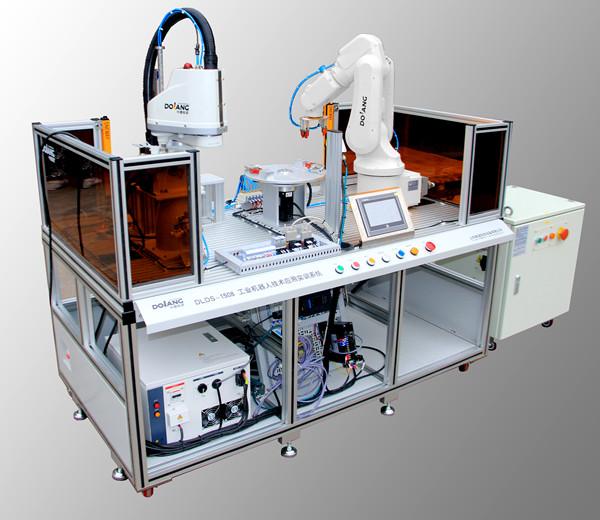
Why robot training matters in technical education
Robotics training bridges multiple disciplines in a single learning platform. Students are exposed to mechanical assembly, microcontroller-based control, digital and analog I/O concepts, and the fundamentals of automation. Compared with purely simulated instruction, physical robots make cause-and-effect easier to understand because every command produces a visible outcome.
For education providers building a broader technical curriculum, robot platforms can complement subjects such as electronics, embedded systems, and information technology training. They also fit well into introductory engineering programs where learners need to connect software logic with hardware behavior in a practical, measurable way.
Typical learning objectives supported by robot platforms
A well-selected training robot can support a wide range of classroom activities. Common objectives include writing and downloading programs, testing sensor input, controlling motors or joints, and understanding how movement changes in response to environmental conditions. These exercises are especially useful for beginners who need an accessible path into robotics and automation.
Depending on the platform, students may work with line following, collision detection, remote control, motion sequencing, or simple path execution. Instructors can also use robot kits to teach structured debugging: checking wiring, confirming power conditions, validating sensor signals, and refining code step by step. This makes robot training a practical entry point into embedded control and system thinking.
Examples of robot training equipment in this category
Several representative platforms illustrate the range of learning experiences available. The Global R680 Banshi Robotic Arm is suited to teaching articulated motion, positioning logic, and coordinated control across multiple axes. With six degrees of freedom and programmable operation, it can help students explore how robotic arms perform repeatable movement sequences in a compact educational format.
The Global R500 ROBOTIC CATERPILLAR offers a different training focus. Its movement style, touch response, tilt sensing, and programmable behavior make it useful for demonstrating reactive robotics. Learners can study how a mobile robot responds to contact or orientation changes, which is helpful when introducing sensing and event-based programming.
For mobile robotics concepts, the Global ARX ASURO Robot supports exercises such as line following, collision detection, distance-based movement, and basic path control. This kind of platform is relevant when instructors want students to work with wheel motion, encoder feedback, and repeatable navigation tasks rather than arm kinematics.
Choosing the right robot training platform
The right choice depends on the teaching goal rather than on product type alone. If the course focuses on motion control and manipulation, a robotic arm platform may be the better fit. If the goal is to teach behavior based on sensors and environmental interaction, a mobile or creature-style robot can create more intuitive demonstrations.
It is also helpful to consider the expected learner level, assembly requirements, and how much programming flexibility the platform provides. Some kits are well suited to guided classroom builds, while others support more advanced experimentation with custom logic. In education settings, factors such as ease of setup, repeatability of exercises, and compatibility with lab time constraints often matter as much as hardware capability.
Role of programming, sensors, and control in training outcomes
Most robotics courses are not only about movement; they are about how movement is generated, controlled, and corrected. Training platforms give students experience with the relationship between code, processor resources, I/O, and physical response. This is important for understanding how automation systems behave outside of simulation.
Sensor-based exercises are particularly effective because they introduce the concept of feedback. Whether a robot follows a line, detects an obstacle, or reacts to tilt or contact, learners begin to understand closed-loop behavior and the basic logic behind autonomous systems. These concepts can later support more advanced study in automation, mechatronics, or application training environments.
Brand context and training ecosystem
This category includes educational robotics solutions from Global Specialties, a manufacturer associated with hands-on learning tools for technical instruction. In a classroom setting, using a consistent training brand can simplify preparation, lesson planning, and maintenance, especially when multiple student teams work on similar exercises.
Robot training equipment is often part of a larger educational ecosystem rather than a stand-alone purchase. Institutions may combine robotics with electronics fundamentals, programming instruction, and broader lab-based learning resources. For foundational science and engineering preparation, related areas such as basic practice equipment can help build the supporting skills students need before moving into more integrated robotic systems.
Who this category is suited for
Robot training products are relevant for vocational schools, universities, technical colleges, STEM programs, and training centers that want students to work with real hardware. They can support instructor-led demonstrations, structured lab modules, capstone projects, and introductory research activities where compact robotic systems are appropriate.
They are also useful for organizations that need a manageable way to teach core principles without moving immediately to large industrial robots. Educational robot kits and compact training platforms provide a lower-complexity environment for building confidence in programming, sensing, and motion control before progressing to broader automation systems.
Finding a suitable solution for your training program
When reviewing options in this category, it helps to start with the intended learning outcome: robotic arm control, mobile navigation, sensor response, or general embedded programming practice. From there, compare the platform structure, level of assembly, and the kinds of classroom exercises it can realistically support over time.
A well-matched robot training setup can make technical instruction more engaging, more visual, and easier to translate into real engineering understanding. For schools, labs, and training departments looking to strengthen practical robotics education, this category provides a focused starting point for building effective hands-on learning activities.
Get exclusive volume discounts, bulk pricing updates, and new product alerts delivered directly to your inbox.
By subscribing, you agree to our Terms of Service and Privacy Policy.
Direct access to our certified experts