Sensor Training
Hands-on learning is essential when teaching how real-world signals are captured, interpreted, and applied in modern engineering and research environments. In laboratories, classrooms, and interdisciplinary training programs, Sensor Training equipment helps bridge theory and practice by allowing learners to work directly with sensing technologies, data acquisition concepts, and signal-based decision making.
This category is especially relevant for institutions and organizations that need practical tools for education, experimentation, and applied research. Whether the goal is to introduce measurement principles, support biomedical learning, or explore human-machine interaction, sensor-focused training setups provide a structured path from fundamental concepts to more advanced analysis.
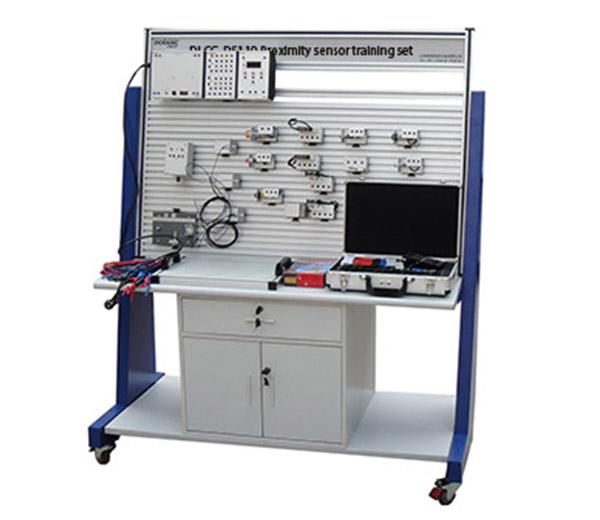
Why sensor training matters in technical education
Sensors sit at the core of many modern systems, from industrial automation and medical devices to wearable electronics and research platforms. Training equipment in this area helps students and professionals understand how physical or biological phenomena are translated into measurable signals, and how those signals are processed for monitoring, control, or interpretation.
In an educational setting, this kind of training supports more than basic device familiarity. It also develops skills in signal acquisition, data interpretation, experiment design, and system integration. That makes the category useful not only for engineering departments, but also for applied science, biomedical, and research-oriented programs.
Typical learning objectives supported by this category
Sensor training products are often selected to support practical outcomes rather than abstract theory alone. Depending on the course or lab environment, users may need equipment for introducing sensing principles, demonstrating real-time measurement, or building a foundation for later work in instrumentation and control.
Common objectives include understanding how sensors respond to changing inputs, learning how to capture and analyze data, and comparing different approaches to measurement in a repeatable training environment. In broader academic programs, this category can also complement biomedical trainer systems when the focus extends to physiological or human-centered signal measurement.
From fundamentals to advanced signal-based applications
One of the strengths of this category is its flexibility across different levels of instruction. At an introductory level, sensor training can support basic demonstrations in mechanics, physics, chemistry, or biology by showing how measurable variables are detected and converted into usable outputs. For institutions building broader laboratory capability, it can naturally sit alongside basic practice equipment used in foundational science education.
At a more advanced level, sensor training can move into areas such as wearable systems, experimental monitoring, and human-state measurement. This progression is valuable for programs that want students to see how raw signals are connected to applied research, digital interfaces, and decision support tools.
Example of a specialized training and research platform
A representative product in this category is the Emotiv EPOC+ 14 Channel Mobile Brainwear, which illustrates how sensor training can extend into neurotechnology and mobile biosignal capture. Rather than treating sensors only as simple input devices, platforms like this help users explore more complex measurement environments where multiple channels, user interaction, and interpretation of physiological signals become part of the training process.
This kind of equipment can be relevant in research labs, advanced technical education, and interdisciplinary learning programs that combine electronics, data analysis, and human-centered studies. For buyers evaluating specialized options, the Emotiv range provides useful context for sensor-based learning in applications related to brain-computer interaction and mobile experimentation.
How to choose suitable sensor training equipment
Selection should start with the intended learning environment. A teaching lab focused on introductory concepts may prioritize clarity, ease of setup, and repeatable experiments, while research-oriented users may need more flexibility for data handling and experimental workflows. The right choice depends on whether the equipment will be used for guided instruction, project-based learning, or exploratory research.
It is also important to consider the type of signals being studied, the expected user level, and how the training setup fits into the wider curriculum. In some organizations, sensor training is most effective when it is linked with broader application training activities so learners can connect sensing concepts to practical use cases.
Use cases across education and research environments
Sensor training equipment is relevant across universities, technical colleges, research centers, and specialized training departments. Instructors may use it to demonstrate measurement principles in a controlled way, while learners use the same platforms to build confidence in handling live data and interpreting sensor behavior.
In research-driven settings, these products can also support pilot studies, method validation, and interdisciplinary experimentation. This makes the category particularly useful where electronics, computing, physiology, and human-machine systems overlap. The educational value comes not just from the device itself, but from the ability to create structured experiments around real signals and observable outcomes.
Supporting a more practical learning workflow
Well-chosen sensor training solutions help move technical education beyond static diagrams and isolated theory. They give learners direct exposure to how sensing systems behave in practice, including issues such as variability, noise, setup conditions, and interpretation of results. That practical perspective is often what turns a concept into usable professional knowledge.
For institutions sourcing equipment in this category, the focus should be on training relevance, signal type, and how the platform supports the learning objectives of the program. With the right setup, sensor training becomes a strong foundation for future work in instrumentation, biomedical applications, applied research, and data-driven system development.
Get exclusive volume discounts, bulk pricing updates, and new product alerts delivered directly to your inbox.
By subscribing, you agree to our Terms of Service and Privacy Policy.
Direct access to our certified experts