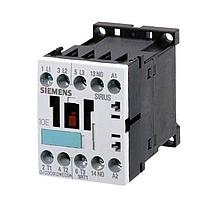
Relays, Contactors & Solenoids
Reliable switching components sit at the center of many control panels, machines, power distribution assemblies, and embedded electromechanical systems. When engineers or sourcing teams evaluate options for load switching, signal isolation, or actuator control, the right balance of electrical performance, mechanical life, installation method, and operating environment becomes critical.
Relays, contactors & solenoids cover a broad but closely related group of devices used to open, close, route, or physically actuate electrical and mechanical functions. On this page, the category is organized to help buyers compare common solution paths for industrial control, automation cabinets, machine design, and equipment maintenance without turning the selection process into a long list of part numbers.
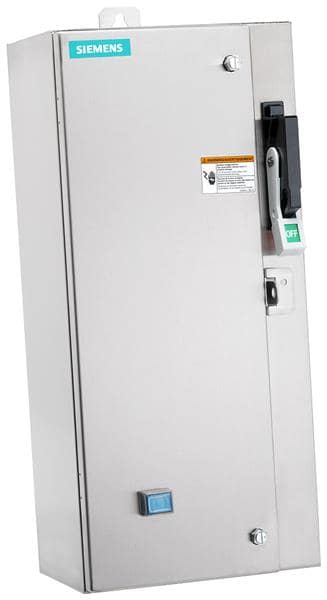
Where these components are used
In practical applications, relays, contactors, and solenoids are often chosen together as part of a complete control architecture. A relay may handle low-power switching or interface logic, a contactor may switch higher-current loads such as motors or heaters, and a solenoid may convert electrical energy into linear motion for locking, latching, dispensing, or valve actuation.
This makes the category relevant across factory automation, building systems, transport equipment, power management, OEM machinery, and maintenance operations. For projects that also involve protective switching devices, it is often useful to review related options in circuit breakers and accessories to ensure the switching and protection strategy work together.
Understanding the difference between relays, contactors, and solenoids
A relay is typically used to control one circuit with another, offering electrical isolation and flexible switching logic. These devices are common in interface boards, PLC panels, alarm systems, process equipment, and general machine control where compact size and defined contact behavior are important.
A contactor is generally intended for heavier electrical loads and repeated switching duty, especially in motor control and power circuits. A solenoid, by contrast, is an electromechanical actuator that creates movement rather than simply changing contact state. Although these product types are distinct, they frequently appear together in industrial systems and are often selected based on switching frequency, load type, space constraints, and environmental conditions.
Key selection factors for B2B purchasing
For technical buyers, the first step is usually matching the device to the load. This includes understanding whether the application involves resistive, inductive, or motor loads, and whether the switching duty is occasional or continuous. Contact configuration, coil or control voltage, mounting style, insulation needs, and expected service life also influence the shortlist.
Environmental requirements are just as important. Dust, vibration, temperature variation, and exposure to moisture can all affect long-term reliability. In panel-building and machine integration projects, teams should also confirm terminal style, available installation space, and compatibility with surrounding hardware so assembly and maintenance remain straightforward.
Representative product examples in this category
The listed products on this page include examples such as Amphenol PT08P-20-26P(105), Amphenol PT08P-20-26P(151), Amphenol PT08E18-11SZ-025, and Amphenol PT08SE16-26S-LC. These references help illustrate the range of electromechanical switching components that procurement and engineering teams may encounter when specifying parts for industrial or specialized equipment.
Rather than treating every model as interchangeable, it is better to evaluate each item in context: required connection format, electrical duty, system interface, and installation constraints. Even within the same family, differences in configuration or termination can affect suitability for a given assembly, retrofit, or field replacement.
Manufacturer coverage and sourcing considerations
This category includes products associated with recognized electromechanical and industrial brands, with manufacturers such as Amphenol, ABB, Agastat - TE Connectivity, Alps Alpine, Aptiv, and Autonics appearing in the broader ecosystem. Brand familiarity can be useful, but for B2B sourcing the more important question is whether the device fits the actual operating requirements and integration standard of the project.
For buyers managing approved vendor lists or cross-functional sourcing, manufacturer coverage also matters in terms of continuity, documentation, and platform consistency. If your application spans multiple switching technologies, browsing the wider relays, contactors and solenoids range can help identify alternatives for control, load handling, and actuation within one procurement workflow.
How to narrow down the right option
A practical approach is to begin with the application role: control signal switching, power switching, or mechanical actuation. From there, narrow the selection by voltage, current path, load behavior, duty cycle, and mounting method. This avoids over-specifying the component while still protecting reliability and maintainability in the finished system.
It is also useful to think beyond the component itself. A relay or contactor may need complementary protection, enclosure planning, and mechanical support, while a solenoid may require attention to stroke, response behavior, and thermal operation in continuous service. Looking at the device as part of the full electromechanical chain often leads to better long-term performance and fewer service issues.
Common application scenarios
In automation panels, relays are often used for interfacing between controllers and field devices, signal multiplication, or interlocking logic. Contactors are more commonly selected for switching motors, pumps, compressors, and other higher-demand electrical loads. Solenoids appear in access systems, valves, latching assemblies, dispensing equipment, and motion-related mechanisms.
For broader machine designs, these components may also sit alongside pneumatic or mechanically actuated subsystems. Where the application combines electrical switching with motion or valve control, related categories such as pneumatic equipment can provide additional context during system planning.
Choosing with confidence for maintenance or new design
Whether the requirement is for new equipment development, replacement sourcing, or MRO purchasing, the best results usually come from matching the switching device to the real operating profile instead of relying only on category labels. Load type, electrical ratings, installation constraints, and system architecture should all be checked together before final selection.
This category is designed to support that process by bringing together relevant electromechanical switching solutions in one place. If you are comparing options for industrial control, power handling, or actuator-driven functions, reviewing the available relays, contactors, and solenoids carefully will make it easier to identify components that fit both the technical requirement and the procurement workflow.
Get exclusive volume discounts, bulk pricing updates, and new product alerts delivered directly to your inbox.
By subscribing, you agree to our Terms of Service and Privacy Policy.
Direct access to our certified experts