Electromechanical Component
Modern equipment depends on far more than processors and software. Motion, switching, signal conversion, protection, operator control, and mechanical interfacing all rely on dependable electromechanical components that translate electrical input into physical action or support the physical layer of an electronic system.
In industrial control panels, embedded devices, test setups, and machine assemblies, this product group helps bridge electronics with real-world operation. From relays and switches to encoders, hardware, and drive-related components, the category supports both new system design and maintenance work where compatibility, durability, and integration matter.
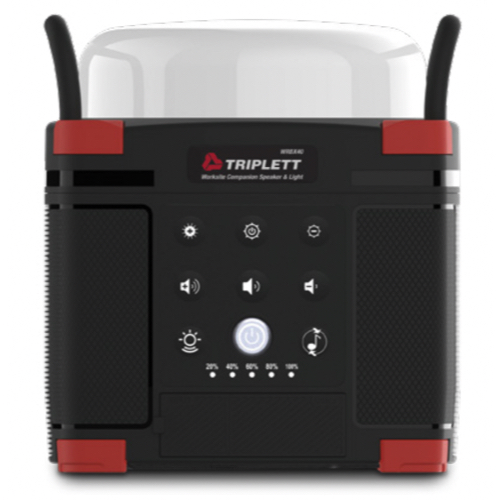
Where electromechanical components fit in a system
This category covers parts that either create mechanical action from an electrical signal, detect position or movement, or provide the physical interface required for assembly and operation. In practice, these products appear in factory automation, instrumentation racks, transportation systems, power distribution equipment, communication infrastructure, and service tools.
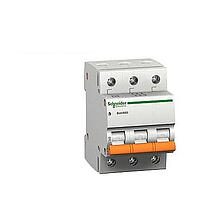
They are often selected alongside related product groups such as connectors for electrical interfacing and circuit protection for safer operation under fault conditions. Thinking about the broader system early helps avoid mismatches between mechanical layout, wiring, switching capacity, and control logic.
Common product roles within the category
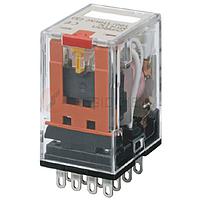
One of the strengths of this category is its breadth. Some products are used for power switching, such as relays and contact-oriented devices that let low-power control signals manage higher-power loads. Others support user interaction and equipment status, including switches, knobs, dials, and mechanical hardware used in panel or enclosure builds.
There is also a strong sensing and motion-control side. Encoders are commonly used for position feedback, speed monitoring, or signal translation in automated equipment. Supporting areas such as motors, drives, and pneumatic hardware round out the category for applications where motion, actuation, and machine response must work together.
Selection factors that matter in B2B sourcing
For engineers, buyers, and maintenance teams, the right choice usually depends on the operating environment first. Electrical ratings, mounting style, interface format, expected switching or motion cycle life, and available installation space all affect long-term performance. In industrial settings, vibration, temperature variation, contamination, and service access are often just as important as nominal electrical function.
It is also useful to evaluate how a component fits with the rest of the bill of materials. A relay may need matching wiring hardware, a switch may need a suitable panel cutout, and an encoder may need compatibility with downstream control equipment. When sourcing for production or field replacement, consistency across series and availability from established manufacturers can help reduce downtime and qualification effort.
Examples from featured manufacturers
Several established brands appear within this category, each relevant to different integration needs. Amphenol is widely associated with robust interconnect and electromechanical solutions used in demanding environments, while Advantech is often considered in industrial communication and automation contexts where signal handling and system connectivity are important.
Featured examples in this category include Amphenol PT08P-20-26P(105), PT08P-20-26P(151), PT08E18-11SZ-025, and PT08SE16-26S-LC, as well as the Advantech IMC-721I-SL. These product names are useful reference points when buyers are comparing form factors, application roles, or manufacturer ecosystems, but the broader selection process should still focus on system requirements rather than model naming alone.
How these components support industrial applications
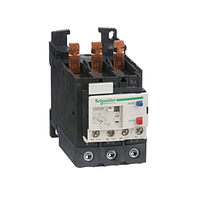
In a control cabinet, electromechanical parts often sit at key points between logic and load. Relays and switching devices can isolate control signals from higher-power circuits, while mechanical accessories support secure mounting and serviceability. In machine systems, encoders and drive-related components contribute to more accurate movement, synchronization, and feedback for repeatable operation.
These devices also play an important role in retrofit and maintenance projects. Replacing a worn switch, updating a feedback device, or standardizing a mechanical interface can restore equipment reliability without requiring a full redesign. For that reason, this category is relevant not only to OEM design teams but also to plant maintenance, repair, and operations personnel.
Integration with adjacent component categories
Electromechanical design rarely happens in isolation. A complete assembly may combine switching elements, cable terminations, protective devices, fastening hardware, and diagnostic accessories. Teams building prototypes or performing field service may also need supporting items from kits and tools to speed installation, adjustment, or troubleshooting.
For more specialized builds, buyers sometimes combine this category with batteries, auxiliary materials, or other supporting parts depending on the architecture of the equipment. Looking across adjacent categories can simplify procurement and help ensure that the physical and electrical layers of the design are aligned from the start.
Practical buying approach for engineers and procurement teams
A good sourcing workflow starts with the function the component must perform: switching, feedback, actuation, mounting, or operator control. From there, narrow the options by installation constraints, electrical or signal compatibility, and expected duty cycle. This approach is especially useful in broad categories where similar-looking parts may serve very different purposes in actual operation.
For repeat purchasing, it can also help to standardize around trusted manufacturers and proven part families where appropriate. That makes documentation, maintenance, and replacement planning more manageable over time. If you are evaluating alternatives for a new build or a service replacement, this category provides a practical starting point for comparing electromechanical solutions within a wider industrial components ecosystem.
Conclusion
Choosing the right electromechanical components is ultimately about fit: fit with the load, the control method, the environment, and the mechanical layout of the equipment. Whether the need is for switching, feedback, interface hardware, or motion-related support, a well-structured category makes it easier to identify suitable options and compare manufacturers in context.
By reviewing application demands first and then matching them to the right component type, engineering and purchasing teams can build more reliable systems and streamline replacement decisions. This makes the category valuable for both design-stage selection and long-term operational support.
Get exclusive volume discounts, bulk pricing updates, and new product alerts delivered directly to your inbox.
By subscribing, you agree to our Terms of Service and Privacy Policy.
Direct access to our certified experts