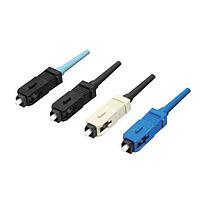
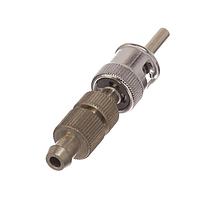
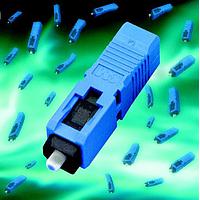
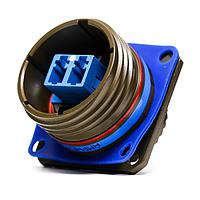
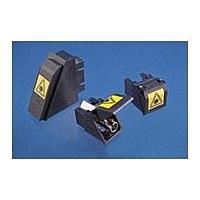
Fiber Optic Connectors
Reliable optical links depend on more than the fiber itself. Connector quality, interface compatibility, insertion loss, and long-term mechanical stability all influence how well a network, sensor system, or industrial communication link performs in the field. For engineers, integrators, and procurement teams, choosing the right Fiber Optic Connectors is a practical step toward maintaining signal integrity and reducing avoidable installation issues.
This category brings together connector options used to terminate, interface, and manage fiber connections across communication equipment, control cabinets, instrumentation systems, and other optoelectronic applications. Whether you are building new assemblies or replacing worn connection points, the goal is usually the same: dependable optical performance with a connector format suited to the cable, port, and operating environment.
Where fiber optic connectors fit in an optical system
A connector is the mechanical and optical interface between fiber and equipment, or between two fiber segments. In practical use, it must align fiber cores accurately enough to minimize loss while also providing repeatable mating cycles, secure retention, and serviceability during maintenance. This makes connector selection important not only at the design stage, but also during installation and lifecycle support.
In many projects, connectors are part of a broader ecosystem that may also include fiber optic cable assemblies, field cabling, attenuation components, and test tools. Looking at the full signal path helps avoid mismatches between connector style, cable construction, and the target device interface.
Key selection factors for engineering and purchasing teams
The most effective way to narrow options is to start from the application rather than the part name alone. Important considerations typically include fiber type, connector interface, mating frequency, panel or equipment layout, and whether the installation is performed in a controlled environment or in harsher industrial conditions. These points affect both optical performance and installation efficiency.
Teams often evaluate connectors based on insertion loss, return loss requirements, polishing style, ferrule format, and compatibility with the intended cable diameter or termination method. In B2B sourcing, it is also useful to consider repeatability across batches, ease of assembly, and whether the chosen connector family aligns with existing infrastructure. If the project involves custom or pre-terminated links, reviewing related fiber optic cables can help confirm overall fit.
Typical application environments
Fiber optic connectors are used across data transmission, telecom-related hardware, industrial automation networks, instrumentation, embedded optical designs, and electrically noisy environments where optical isolation is beneficial. They are also relevant in systems that require long-distance signal transmission, compact routing, or higher immunity to electromagnetic interference than copper-based connections can provide.
In industrial and technical procurement contexts, connector performance is often judged by how consistently it supports uptime. A connector that is easy to terminate but difficult to keep clean, or one that fits mechanically but introduces avoidable optical loss, can create downstream troubleshooting costs. For that reason, connector choice should balance electrical-and-mechanical system realities with optical requirements.
Connector compatibility and system integration
Compatibility is not limited to matching one connector to another. It also includes the relationship between the connector, the fiber construction, the enclosure or front panel, and any transceiver, coupler, or device port already specified in the design. Even when two components appear similar, differences in polishing, retention style, or mechanical tolerance can affect performance in real installations.
When a project includes multiple interconnect points, it may be useful to review adjacent components such as fiber optic attenuators for signal management or development accessories for validation and test. This broader approach is especially helpful when building systems that must maintain stable performance from prototype through deployment.
Manufacturer options in this category
This category includes products associated with established suppliers used across interconnect and optical component sourcing. Depending on the exact connector family and application requirement, buyers may encounter solutions from companies such as Amphenol, 3M Electronic Specialty, AMP Connectors - TE Connectivity, Broadcom, Belden, and related Amphenol divisions. These names are relevant in many technical procurement environments where interface reliability and supply continuity matter.
Manufacturer choice should still be evaluated in context. For some projects, standardization within an existing approved vendor list is the priority; for others, the deciding factors may be installation method, available connector variants, or compatibility with current assemblies and hardware already deployed on site. The most suitable option is usually the one that supports the application cleanly without forcing unnecessary adaptation.
How to choose the right connector category path
If you are sourcing for a new build, it helps to confirm whether you need individual connectors for termination work, pre-terminated assemblies for faster deployment, or related tooling and accessories for setup and maintenance. This avoids selecting standalone components when the project would be better served by complete assemblies or support products.
For teams comparing options across adjacent product groups, fiber optic development tools can be useful during evaluation, prototyping, and troubleshooting. In the same way, cable and attenuation categories may be more relevant when the real need is end-to-end link management rather than the connector interface alone.
Practical buying considerations for B2B applications
In business purchasing, connector selection is rarely isolated from project timelines, maintenance planning, and long-term support. Teams often look for parts that simplify installation, reduce field variability, and fit established service procedures. For recurring builds, consistency in connector format can also help streamline technician training and spare part stocking.
It is also worth checking whether the chosen connector strategy supports future expansion. A design that works for a pilot installation may become harder to maintain if connectors are difficult to source, terminate, inspect, or integrate with the next phase of the system. Reviewing the category with these lifecycle questions in mind usually leads to a more resilient purchasing decision.
Finding a suitable option for your application
The right fiber connector is the one that matches the optical path, the mechanical interface, and the realities of installation and maintenance. By evaluating compatibility, handling needs, and the surrounding interconnect ecosystem, buyers can narrow the range more effectively and avoid unnecessary rework.
Use this category to compare connector options in the context of your broader fiber system. If your project also involves cabling, assemblies, or signal conditioning components, exploring the related categories can make it easier to build a complete and practical optical solution.
Get exclusive volume discounts, bulk pricing updates, and new product alerts delivered directly to your inbox.
By subscribing, you agree to our Terms of Service and Privacy Policy.
Direct access to our certified experts