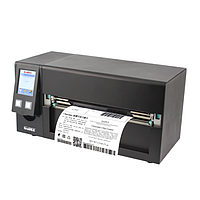
Printer - Barcode Scanner
Clear labeling and fast code capture are essential in modern warehousing, retail operations, logistics, production support, and office workflows. This category brings together Printer - Barcode Scanner solutions used to identify items, print durable labels, and support traceability where accuracy and speed matter.
Whether the requirement is desktop label creation, mobile label printing, barcode-ready media, or broader scanning and identification workflows, the right setup depends on print method, media compatibility, connectivity, and the working environment. In practice, many buyers are looking not only for a standalone device, but for a reliable labeling ecosystem that fits daily operations.
Where these products fit in day-to-day operations
Printer and barcode-related equipment is used across receiving, stock control, asset identification, cable and panel marking, shelf labeling, shipping, and document management. In office and technical environments, the demand often ranges from simple laminated labels for organization to barcode labels that support scanning and process control.
For many users, the practical question is not just how to print a label, but how to create labels that remain readable over time and integrate smoothly with existing systems. That is why factors such as media type, print resolution, connectivity, and handling convenience are often more important than headline features alone.
Common product types in this category
This category covers several closely related product groups. One part of the range focuses on label printers for general identification, including desktop and portable models used for files, shelves, equipment, cables, and workplace organization. Another part supports barcode-oriented workflows where scan-friendly output and consistent print quality are important.
Consumables also play a major role. Label tapes and direct transfer media are not secondary items; they determine readability, adhesion, resistance, and long-term durability. Products such as BROTHER TZE-241 Tape Black on White (18mm), BROTHER TZE-211 label (Black on White tape), and BROTHER TZe-651 Label printed illustrate how media width, color combination, and construction affect the final application.
Representative devices and media
Within the category, BROTHER is strongly represented with label printing solutions suitable for office, workshop, and facility labeling tasks. Models such as the BROTHER PT-D460BT Label printer (180 dpi) and BROTHER PT-D610BT Label Printer are relevant for users who need keyboard-based operation, PC connection, and support for multiple label widths. For more mobile workflows, the BROTHER PT-P300BT Label Printer P-touch Cube offers smartphone-oriented label creation in a compact format.
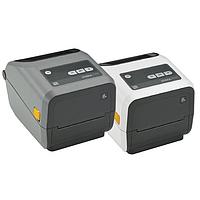
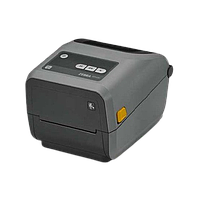
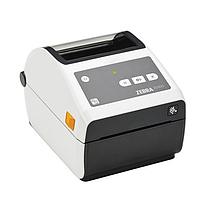
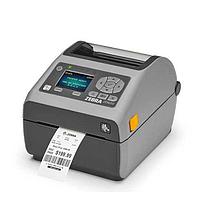
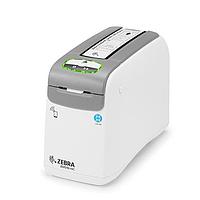
For higher-throughput desktop barcode and label output, Zebra ZD421 Desktop Printers (300 dpi) is an example of a printer designed around established label printing workflows, including common connectivity and media handling expectations. At the media level, options such as BROTHER TZE-FX231 Label Tape (12mmx8m) and BROTHER TZE-FX631 Black text label are useful where flexible identification or specific background colors are needed.
How to choose the right printer or barcode labeling setup
The first decision is usually based on application type. For office organization, asset tags, cable wraps, and panel labels, compact P-touch style devices may be sufficient. For shipping labels, product identification, or barcode-intensive tasks, a dedicated desktop printer with higher throughput and workflow compatibility may be more appropriate.
Next, consider the media. Tape width, background color, adhesive behavior, and resistance to abrasion, chemicals, water, light, or temperature can all influence the result. A standard laminated tape may work well for indoor equipment labels, while flexible ID tape is often more suitable for curved surfaces such as cables or wires. If the labels are part of a broader consumables workflow, it may also be useful to review related office supplies that support daily operation and replenishment.
Connectivity is another practical selection point. Some printers are designed for direct standalone use with a keyboard and display, while others rely on USB, Bluetooth, smartphone apps, or PC-based label design. Buyers should also look at cutting method, portability, power options, and whether barcode generation is required within the intended software environment.
Why label media matters as much as the printer
A good printer cannot compensate for unsuitable media. In real deployments, label failure is often caused by poor tape selection rather than device limitations. Width, adhesive type, flexibility, contrast, and protective construction all affect scan reliability and readability, especially in busy workplaces where labels are exposed to friction, moisture, cleaning agents, or frequent handling.
That is why consumables such as BROTHER TZe-661 Black text on 36mm yellow background, BROTHER TZE-641 Label printed (Black text on 18mm gold background), or BROTHER TZE-241 Tape Black on White (18mm) should be chosen based on visibility and environment, not only on size. High-contrast combinations can improve identification speed, while laminated constructions are often preferred for longer service life.
Barcode scanning workflows and system compatibility
Although many buyers arrive here looking for printers, barcode workflows typically involve more than print output. Labels need to be readable by scanners, compatible with the data structure in use, and suitable for the operational process. Barcode creation, template management, and consistent placement are especially important in stock movement, point-of-sale support, and internal tracking.
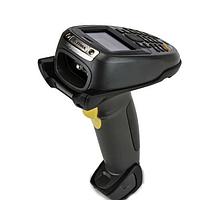
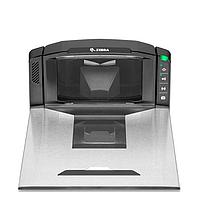
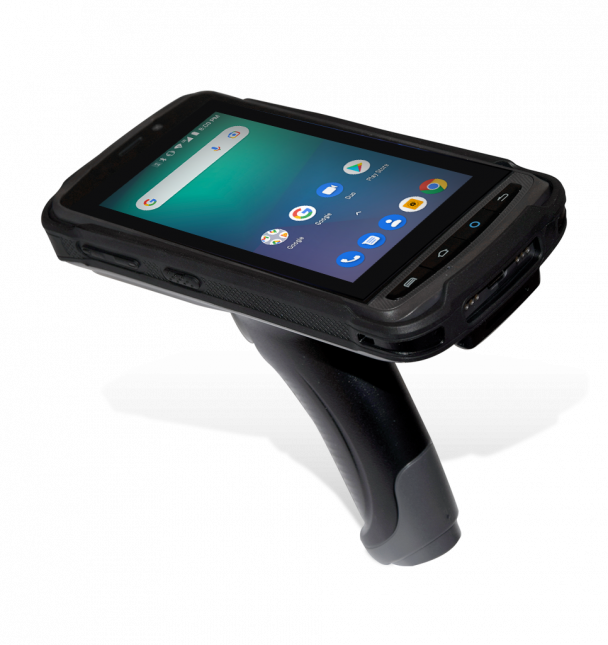
When barcode capture is part of a wider setup, it may be worth exploring dedicated scanning and data-collection solutions from manufacturers such as Honeywell, Cognex, Unitech, or Cipherlab, depending on the application context shown elsewhere in this product group. For buyers comparing print technologies with other specialized office equipment, adjacent categories such as data duplicator systems or data sanitizing equipment can also provide useful context for document and information handling workflows.
Key points for B2B purchasing
For business buyers, the best choice usually comes from balancing device capability with ongoing operating needs. It is worth checking supported tape or label families, available widths, print speed, resolution, interface options, and whether the printer is meant for occasional labeling or routine daily use. A model that fits the process well will generally reduce relabeling, printing errors, and consumable waste.
Manufacturer ecosystem can matter too. Alongside BROTHER and Zebra, this category also references brands such as Canon, Cognex, Honeywell, and others commonly associated with office imaging, identification, and automatic data capture. The right brand choice depends less on name recognition and more on workflow fit, media availability, and long-term maintainability.
Choosing with confidence
This category is most useful when viewed as a complete identification workflow rather than a list of isolated products. Printers, label tapes, barcode-ready media, and scanning compatibility all contribute to stable performance in office, retail, logistics, and technical environments.
If you are narrowing down options, start with the label purpose, surface type, required durability, and preferred connection method. From there, it becomes much easier to select a practical combination of printer and media that supports reliable labeling and efficient barcode-based work.
Get exclusive volume discounts, bulk pricing updates, and new product alerts delivered directly to your inbox.
By subscribing, you agree to our Terms of Service and Privacy Policy.
Direct access to our certified experts